Getting Down to Business: Exploring Business Structures that Provide Creative Flow
Tuesday 25th February 2025, 5:00 PM - 7:00 PM (London Time)
Many singers begin teaching voice lessons early in their careers, even while completing their own studies. After all, you’ve taken voice lessons with your own teacher(s) for years and you already have a pretty good idea of how to teach functional warmups, vocalizes, and basic repertoire in various styles. It is tempting to simply announce yourself as a voice teacher and begin accepting voice students—anyone who wants to learn to sing better. Unlike other fields of study, no license, apprenticeship, certificates, degrees, or minimum requirements are needed to establish yourself as an independent “professional” voice teacher. That means that anyone can teach singing. And they do. Your goal is to stand out from the crowds (and TikTok influencers) and build your studio or creative business with knowledge, integrity, intention, and business acumen.
Some new voice teachers invest time and resources into exploring independent voice teaching business models before they begin accepting students. Others dive in and begin teaching, figuring it out as they go—learning from their mistakes and successes. Many, however, find themselves overwhelmed with the realities of founding and running an actual business. The truth is that unless your creative business or other income streams are sustainable, it will affect your ability to maintain your art and performance, as well as the quality of your life.
In this brief workshop, we’ll explore some strategies for planning, structuring, building, and growing your creative business, beginning with Who/What/Where/How and most importantly Why you wish to become a voice teacher or other creative business owner. We’ll touch on Basics of Business including banking, taxes, policies, procedures, onboarding (and offboarding) clients. (Yes, you are a service-based business, and your students are clients whether you refer to them that way or not.) We’ll highlight a few different business models and payment structures.
Once you’ve established your business, your potential voice students must have a way to find you. We’ll discuss networking, word of mouth, social media, blogs, client-facing websites, and other ways to create visibility and credibility for your studio. We’ll explore high tech and low-tech resources for studio management, scheduling, client databases, invoicing, accepting payments, do-it-yourself admin and when to hire virtual or onsite assistants.
When your business is sustainable, you can spend more time on your art, family and friends, hobbies, travel, and life interests.
🏷️ Price £30 (UK VAT inclusive)
🎥 Recording automatically sent to all who book (even if you cannot attend live)
▶️ Rewatch as many times as you like
📜 Certificate of attendance available
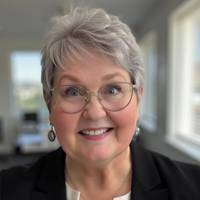
Cynthia Vaughn
Cynthia Vaughn is a respected teacher/clinician, author, and performer with over forty years of experience, currently based in Norfolk, Virginia, USA. She has created and taught group-voice classes for university, community, and church singers. Vaughn is the co-author (with the late Meribeth Dayme) of The Singing Book, a leading group-voice textbook and song anthology for university group-voice classes, independent studio group-voice, and beginning adult singers.
Attend this course for as little as £22 as part of the Voice Professional Training CPD Award Scheme.
Learn MoreSorry, this is an archived short course...
We have plenty of upcoming short courses coming soon. See details of some of them below or look at the full list of short courses.

Tuesday 27th October 2026
5:00 PM - 7:00 PM
(London Time)
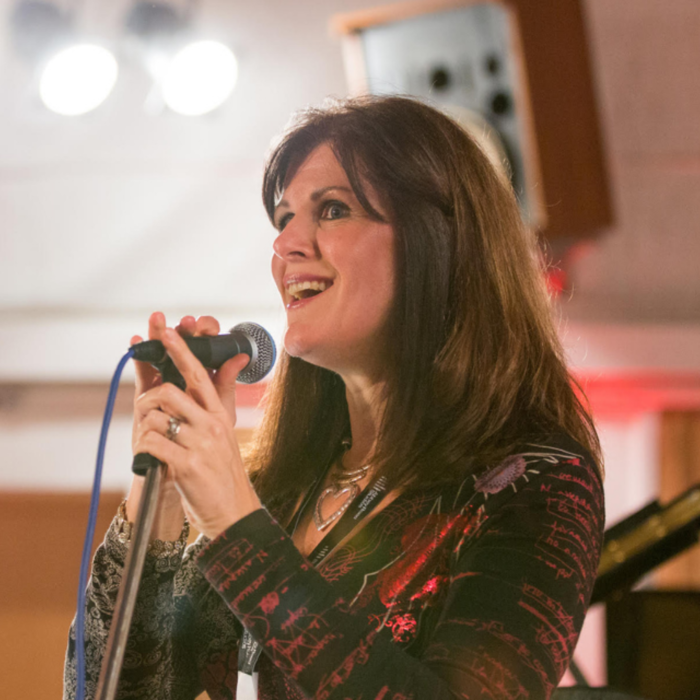
Pop Pedagogy - an Overview

Kim Chandler
Some successful pop stars are celebrating career lengths of over sixty years, having been around since the 1950s when pop music emerged and diversified from jazz, so pop singing has been in existence sufficiently long now that, for teaching purposes, we can observe and analyse what type of approach serves it best.
Friday 30th October 2026
3:00 PM - 5:00 PM
(London Time)
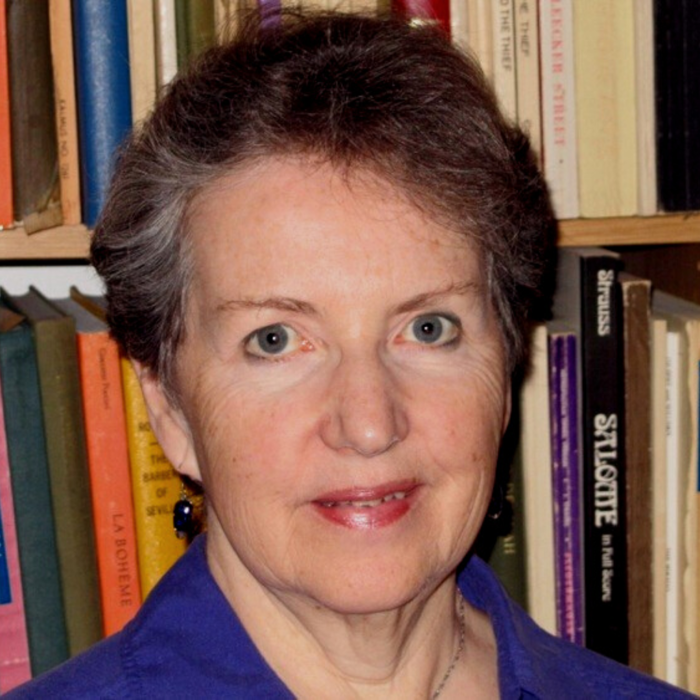
Feldenkrais Method® - its application in speech and song!

Marina Gilman
The Feldenkrais Method® is a form of somatic education that uses gentle movement and directed attention to improve physical and mental functioning, including singing and speaking. Since we are not always aware of the source of tension or discoordination, it is difficult to make the necessary adjustments to ensure optimal use of the voice!

Monday 2nd November 2026
5:00 PM - 7:00 PM
Tuesday 3rd November 2026
5:00 PM - 7:00 PM
(London Time)
The Vocal Health Challenges for Actors and Singers!

Leda Scearce
Two part course! Vocal health principles are inextricably and symbiotically linked with singing and acting voice pedagogy: Good vocal health allows the singer and actor to more easily and effectively achieve their technical and artistic goals, and good teaching reinforces vocal technique that diminishes the risk of vocal injury. We now also recognize the necessity for singers and actors to understand how their instruments work, how to take care of their voices, and what to do when something goes wrong. Singing and acting teachers are indeed on the front lines of vocal health!