How British Conversation is Changing: Resonance, Engagement, and Social Class!
Tuesday 30th September 2025, 2:00 PM - 4:00 PM (London Time)
This short course explores how British people’s everyday conversations are shifting — and why it matters! Drawing on findings from the British National Corpora (1994 vs. 2014) and my recent study British Conversation is Changing (Applied Linguistics, 2024), we will look at how people re-use and acknowledge each other’s words, a process called resonance. Resonance is a powerful marker of verbal engagement: when it’s present, speakers treat one another’s talk as meaningful; when it’s absent, conversations can feel flat or disconnected.
We will discuss how resonance has increased among middle- and upper-class speakers, especially in professions tied to education, politics, and corporate life, while it has remained stable among working-class speakers. This reflects broader societal changes linked to ideologies of inclusivity, equality, and engagement in the workplace.
The course combines accessible explanations with real conversational examples, showing how shifts in interaction style can reveal changing social values. Participants will gain tools to analyze everyday dialogue, reflect on their own conversational habits, and understand how language change is not only about new words, but about how we connect with one another.
🏷️ Price £30 (UK VAT inclusive)
🎥 Recording automatically sent to all who book (even if you cannot attend live)
▶️ Rewatch as many times as you like
📜 Certificate of attendance available
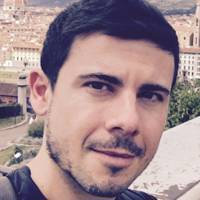
Dr Vittorio Tantucci
Vittorio Tantucci is Senior Lecturer in Linguistics at Lancaster University and world-leading scholar in the field of Pragmatics, the study of verbal behaviour in context. His research focuses on cross-cultural and cognitive approaches to dialogue, with particular emphasis on intersubjectivity, resonance, (im)politeness, and reciprocity. He specializes in corpus-based methods and computational approaches to large datasets of real conversations to reveal how interaction changes across time, social groups, and languages.
Attend this course for as little as £22 as part of the Voice Professional Training CPD Award Scheme.
Learn MoreSorry, this is an archived short course...
We have plenty of upcoming short courses coming soon. See details of some of them below or look at the full list of short courses.

Wednesday 4th March 2026
1:00 PM - 2:00 PM
Wednesday 11th March 2026
1:00 PM - 2:00 PM
Wednesday 18th March 2026
1:00 PM - 2:00 PM
Wednesday 25th March 2026
1:00 PM - 2:00 PM
Wednesday 1st April 2026
1:00 PM - 2:00 PM
Wednesday 8th April 2026
1:00 PM - 2:00 PM
(London Time)
Learn to Coach RP and SSBE – a Certificate in Accent Coaching

Louisa Morgan
This six-week course is an opportunity to learn about both Received Pronunciation and Standard Southern British English. Rather than a course in learning how to speak RP/SSBE (there are many brilliant available courses for this already), this course is about learning how to coach it.

Wednesday 25th March 2026
5:00 PM - 7:00 PM
(London Time)
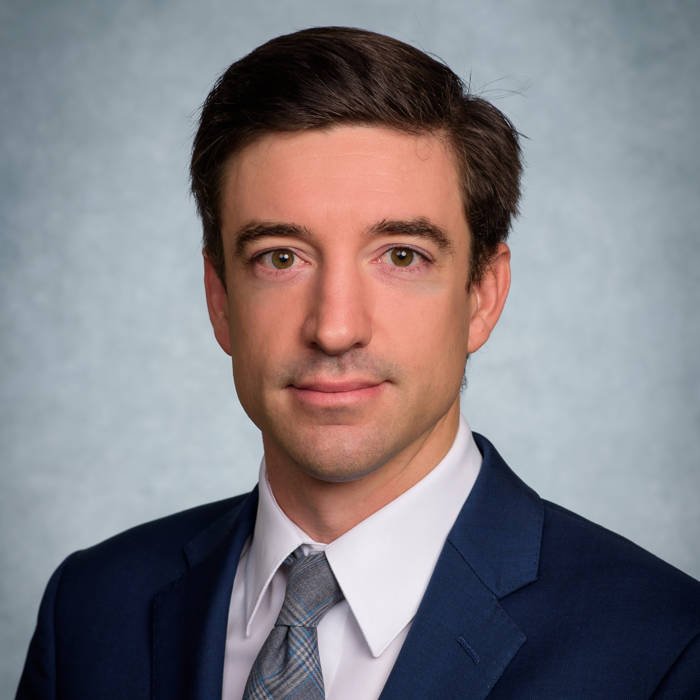
Mastering the Art of "Marking": Vocal Longevity for the Modern Singer

Jacob Wright
Don’t just save your voice—optimize it! Join Jacob Wright as he explores marking technique in singing, a vocal conservation strategy used by singers during rehearsals and extended performance periods. Marking involves singing at reduced vocal intensity, altered pitch, or modified vocal quality to preserve vocal health while maintaining musical and dramatic engagement. Participants will gain practical tools for implementing marking in their own practice, teaching, or clinical work, supported by current research and voice science principles!
Friday 27th March 2026
1:00 PM - 3:00 PM
(London Time)
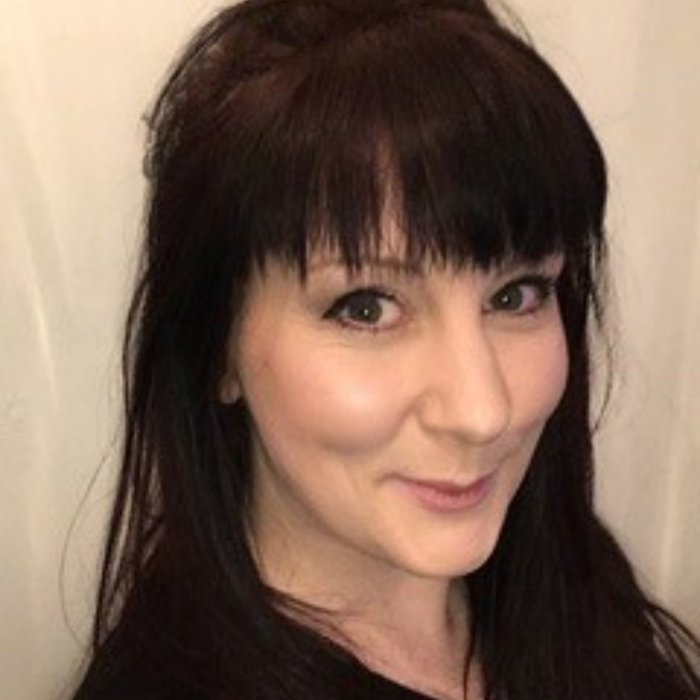
Muscle Tension Dysphonia in the Singing Voice!

Dr Claire Thomas
A specialist course for singing teachers and voice professionals! Designed specifically for those working with singers, this in-depth course with Dr Claire Thomas explores Muscle Tension Dysphonia (MTD) through the lens of the singing voice - bridging clinical research and studio practice.