How to Hack Your Next Audition: The Limbic Response
Tuesday 17th June 2025, 5:00 PM - 7:00 PM (London Time)
We all know the feeling: staring down an audition panel, we lock up, our knees and hands shake, our breath stops, and we’re in emotional free fall.
This is your limbic system going into hyperdrive. In the audition setting, when the limbic system or paleomammalian cortex kicks into action in the face of a perceived conflict, we experience the body’s answer to stressors from people and social interactions.
Meant to optimize our chance of survival, this primeval reaction activates our freeze, flight and fight response and might make us feel like we should do anything but sing opera.
While it is a natural and understandable response meant to ensure our success, at the heart of the problem is a paradox that there is no physical danger, but rather a threat of judgment or failure that all performers can relate to.
This course will walk you through steps to work with your limbic response and choose the most appropriate course of action to nail your next audition while honouring your internal mental and emotional landscape.
As performers, it is crucial that we understand the basic functioning of our vocal instruments and limbic brain, how their interaction impacts our daily experience and what messages we send to the outside world. This is essential for our understanding of ourselves as performers and auditionees, and helpful for audition panellists as well – ultimately, finding a balance between our vocalism and limbic messaging will provide us with advantages in auditions, lessons, performances, and our daily social lives.
🏷️ Price £30 (UK VAT inclusive)
🎥 Recording automatically sent to all who book (even if you cannot attend live)
▶️ Rewatch as many times as you like
📜 Certificate of attendance available
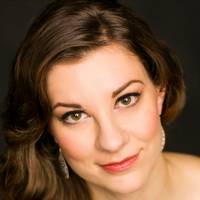
Dr Katherine Skovira
Katherine Skovira, D.M.A. (she/her) is a nationally recognized contemporary music performer and researcher. Of her work, The Philadelphia Inquirer wrote, “The diabolical enthusiasm of Katherine Skovira… left me nearly begging for mercy...the artistic equivalent of NASA’s New Horizons spacecraft.”
Attend this course for as little as £22 as part of the Voice Professional Training CPD Award Scheme.
Learn MoreSorry, this is an archived short course...
We have plenty of upcoming short courses coming soon. See details of some of them below or look at the full list of short courses.

Wednesday 4th March 2026
1:00 PM - 2:00 PM
Wednesday 11th March 2026
1:00 PM - 2:00 PM
Wednesday 18th March 2026
1:00 PM - 2:00 PM
Wednesday 25th March 2026
1:00 PM - 2:00 PM
Wednesday 1st April 2026
1:00 PM - 2:00 PM
Wednesday 8th April 2026
1:00 PM - 2:00 PM
(London Time)
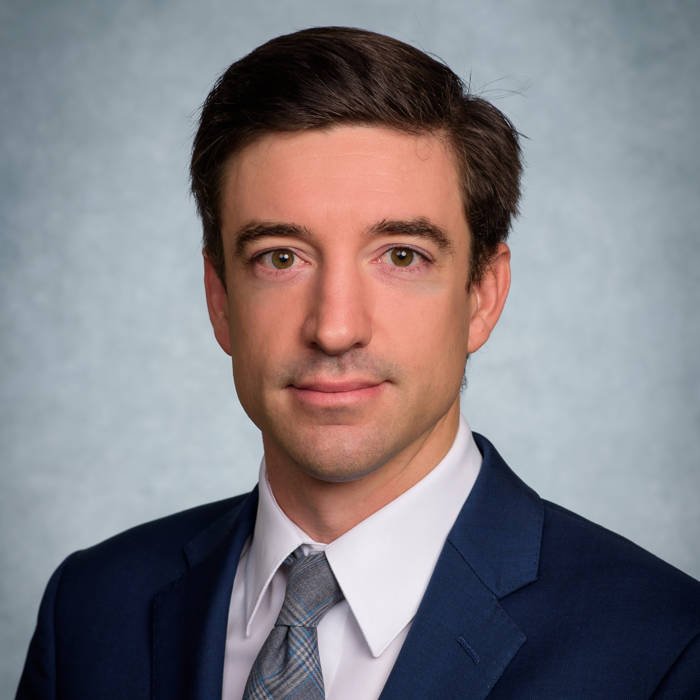
Learn to Coach RP and SSBE – a Certificate in Accent Coaching

Louisa Morgan
This six-week course is an opportunity to learn about both Received Pronunciation and Standard Southern British English. Rather than a course in learning how to speak RP/SSBE (there are many brilliant available courses for this already), this course is about learning how to coach it.

Wednesday 25th March 2026
5:00 PM - 7:00 PM
(London Time)
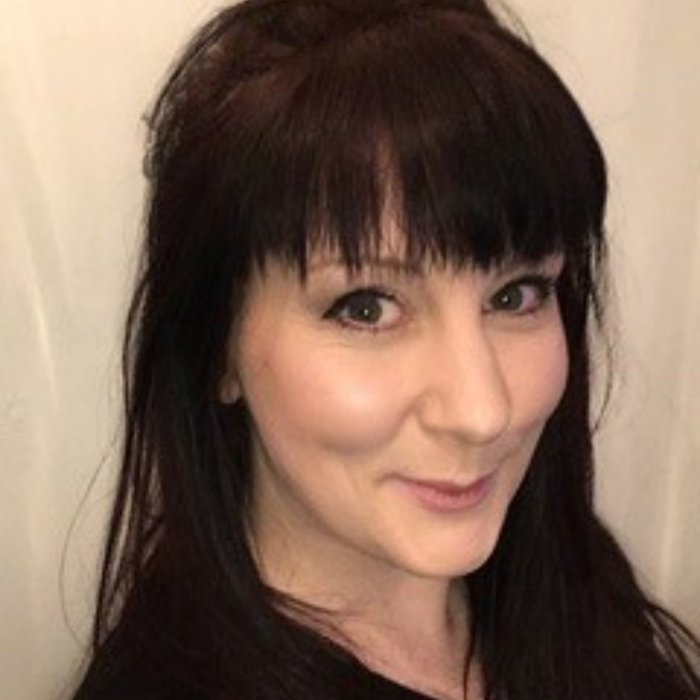
Mastering the Art of "Marking": Vocal Longevity for the Modern Singer

Jacob Wright
Don’t just save your voice—optimize it! Join Jacob Wright as he explores marking technique in singing, a vocal conservation strategy used by singers during rehearsals and extended performance periods. Marking involves singing at reduced vocal intensity, altered pitch, or modified vocal quality to preserve vocal health while maintaining musical and dramatic engagement. Participants will gain practical tools for implementing marking in their own practice, teaching, or clinical work, supported by current research and voice science principles!
Friday 27th March 2026
1:00 PM - 3:00 PM
(London Time)
Muscle Tension Dysphonia in the Singing Voice!

Dr Claire Thomas
A specialist course for singing teachers and voice professionals! Designed specifically for those working with singers, this in-depth course with Dr Claire Thomas explores Muscle Tension Dysphonia (MTD) through the lens of the singing voice - bridging clinical research and studio practice.