How to Hack Your Next Audition: The Limbic Response
Tuesday 17th June 2025, 5:00 PM - 7:00 PM (London Time)
We all know the feeling: staring down an audition panel, we lock up, our knees and hands shake, our breath stops, and we’re in emotional free fall.
This is your limbic system going into hyperdrive. In the audition setting, when the limbic system or paleomammalian cortex kicks into action in the face of a perceived conflict, we experience the body’s answer to stressors from people and social interactions.
Meant to optimize our chance of survival, this primeval reaction activates our freeze, flight and fight response and might make us feel like we should do anything but sing opera.
While it is a natural and understandable response meant to ensure our success, at the heart of the problem is a paradox that there is no physical danger, but rather a threat of judgment or failure that all performers can relate to.
This course will walk you through steps to work with your limbic response and choose the most appropriate course of action to nail your next audition while honouring your internal mental and emotional landscape.
As performers, it is crucial that we understand the basic functioning of our vocal instruments and limbic brain, how their interaction impacts our daily experience and what messages we send to the outside world. This is essential for our understanding of ourselves as performers and auditionees, and helpful for audition panellists as well – ultimately, finding a balance between our vocalism and limbic messaging will provide us with advantages in auditions, lessons, performances, and our daily social lives.
🏷️ Price £30 (UK VAT inclusive)
🎥 Recording automatically sent to all who book (even if you cannot attend live)
▶️ Rewatch as many times as you like
📜 Certificate of attendance available
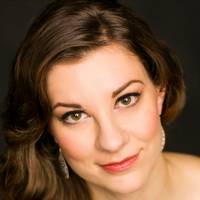
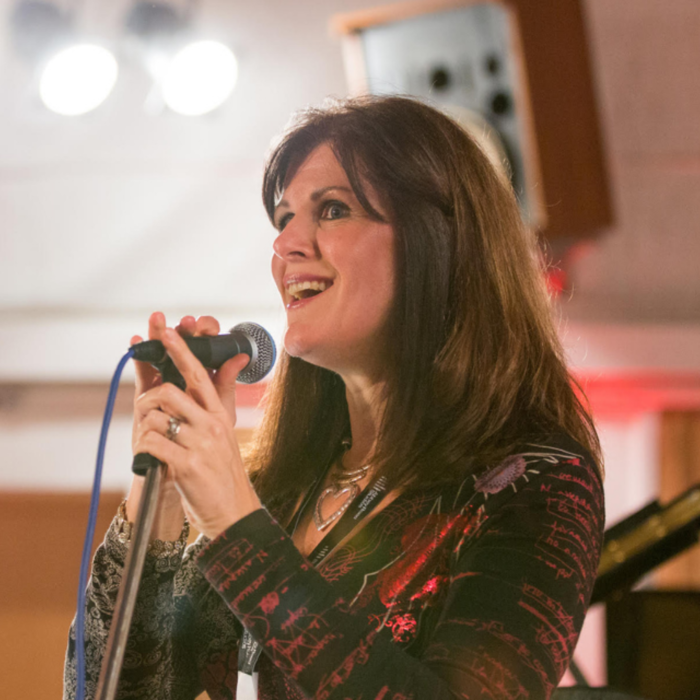
Dr Katherine Skovira
Katherine Skovira, D.M.A. (she/her) is a nationally recognized contemporary music performer and researcher. Of her work, The Philadelphia Inquirer wrote, “The diabolical enthusiasm of Katherine Skovira… left me nearly begging for mercy...the artistic equivalent of NASA’s New Horizons spacecraft.”
Attend this course for as little as £22 as part of the Voice Professional Training CPD Award Scheme.
Learn MoreSorry, this is an archived short course...
We have plenty of upcoming short courses coming soon. See details of some of them below or look at the full list of short courses.

Monday 19th October 2026
2:00 PM - 4:00 PM
Tuesday 20th October 2026
2:00 PM - 4:00 PM
(London Time)
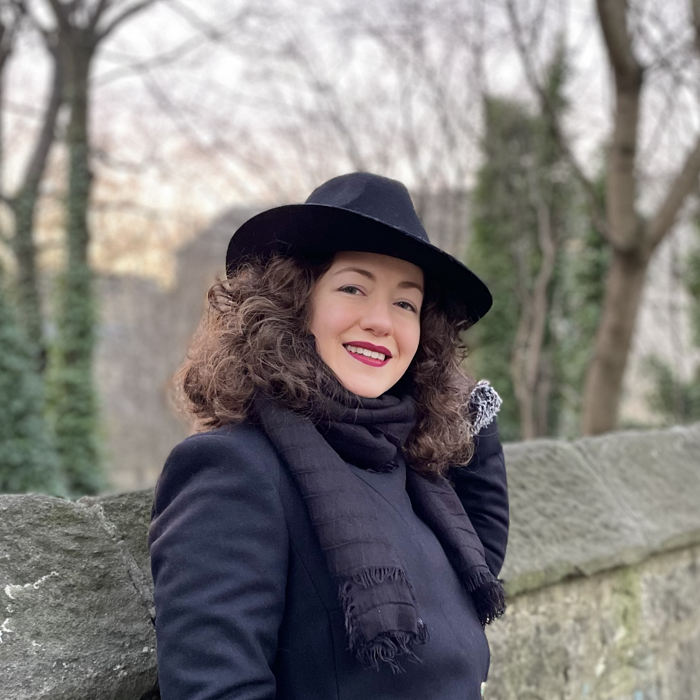
Introduction to Vocal Acoustics for Spoken and Sung Voice

Gökçe Kutsal
This course is designed to break down the fundamentals of acoustics for both spoken and sung voice in a beginner-friendly, accessible way — so you can easily understand and apply these concepts to your teaching or research.
Tuesday 20th October 2026
5:00 PM - 7:00 PM
(London Time)
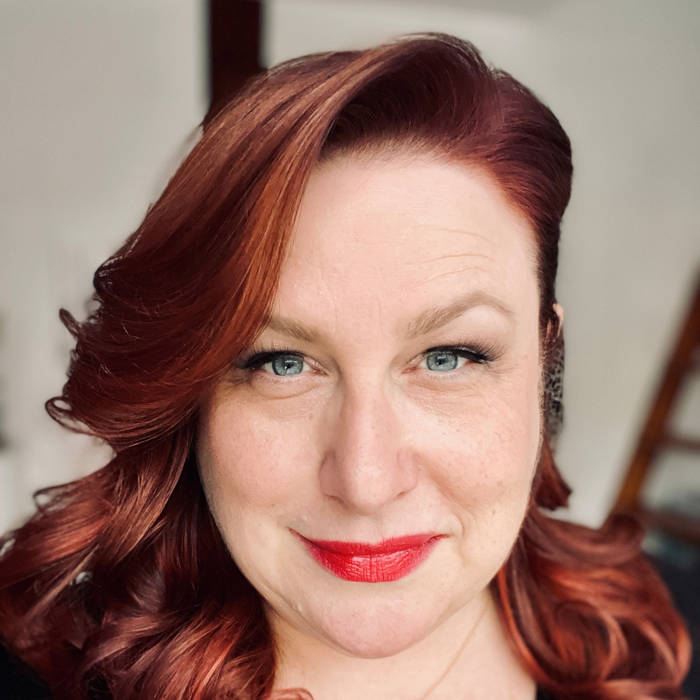
Practical Magic*: The Art & Science of Balancing Voices with SOVTs and VFEs

Melanie Tapson
Through live demonstrations, group practice, and peer coaching, you’ll learn how to teach SOVTs and VFEs with clarity and precision, integrate their principles to support vocal health, recovery, and stylistic flexibility and troubleshoot challenges and adapt exercises for individualized results.
Tuesday 27th October 2026
5:00 PM - 7:00 PM
(London Time)
Pop Pedagogy - an Overview

Kim Chandler
Some successful pop stars are celebrating career lengths of over sixty years, having been around since the 1950s when pop music emerged and diversified from jazz, so pop singing has been in existence sufficiently long now that, for teaching purposes, we can observe and analyse what type of approach serves it best.