Implementing VoceVista in the Pedagogy Classroom!
Thursday 31st July 2025, 5:00 PM - 7:00 PM (London Time)
We will explore integrating VoceVista, a leading spectrograph software, into the vocal pedagogy classroom. Designed for voice teachers, vocal coaches, and pedagogy students, this course explores how real-time visual feedback can enhance traditional methods of voice instruction. By incorporating VoceVista into your teaching toolkit, you will be empowered to provide objective, evidence-based analysis of vocal production alongside your perceptual and experiential expertise.
VoceVista enables users to visualize sound through spectrograms, pitch traces, and formant overlays, allowing both teacher and student to "see" aspects of the voice that are otherwise intangible—such as resonance strategies, onset clarity, vibrato stability, and register transitions.
This course emphasizes practical application. We will explore how VoceVista can inform healthy vocal technique and demystify complex vocal concepts for singers at all levels. Whether teaching in private studios, academic settings, or group classes, you'll discover ways to tailor the software to fit your teaching style and student needs.
By the end of the course, you’ll hopefully feel more familiar with how VoceVista works and consider ways it might fit into your teaching—not as a replacement for the ear, but as a possible tool to help support student learning, spark engagement, and offer a visual bridge between the technical and artistic sides of singing.
Are you ready to bring the power of visualization into your voice teaching?
🏷️ Price £30 (UK VAT inclusive)
🎥 Recording automatically sent to all who book (even if you cannot attend live)
▶️ Rewatch as many times as you like
📜 Certificate of attendance available
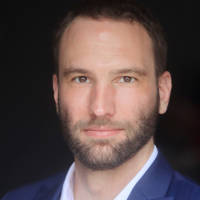
Dr Christopher Besch
Bass-baritone Christopher Besch is proud to have performed in eight countries on three continents with such conductors as Lorin Maazel, Leonard Slatkin, and Jeffrey Thomas.
His primary pedagogical interests include the acoustics and psychoacoustics of the voice with a particular bent towards how hearing influences the perception of the sung voice.
Attend this course for as little as £22 as part of the Voice Professional Training CPD Award Scheme.
Learn MoreSorry, this is an archived short course...
We have plenty of upcoming short courses coming soon. See details of some of them below or look at the full list of short courses.

Tuesday 27th October 2026
5:00 PM - 7:00 PM
(London Time)
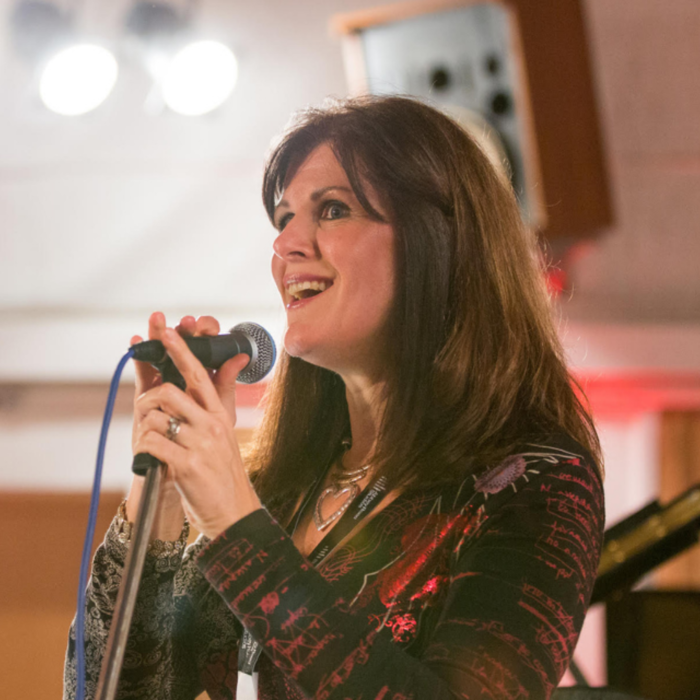
Pop Pedagogy - an Overview

Kim Chandler
Some successful pop stars are celebrating career lengths of over sixty years, having been around since the 1950s when pop music emerged and diversified from jazz, so pop singing has been in existence sufficiently long now that, for teaching purposes, we can observe and analyse what type of approach serves it best.
Friday 30th October 2026
3:00 PM - 5:00 PM
(London Time)
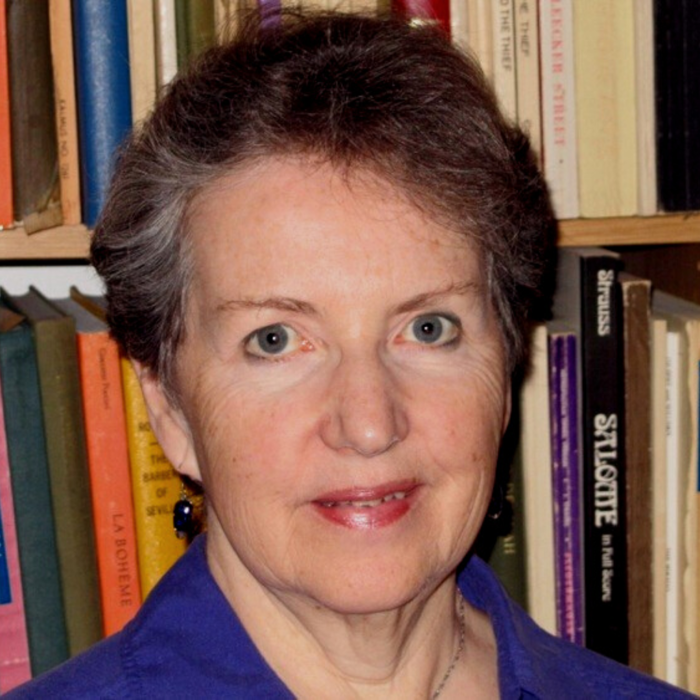
Feldenkrais Method® - its application in speech and song!

Marina Gilman
The Feldenkrais Method® is a form of somatic education that uses gentle movement and directed attention to improve physical and mental functioning, including singing and speaking. Since we are not always aware of the source of tension or discoordination, it is difficult to make the necessary adjustments to ensure optimal use of the voice!

Monday 2nd November 2026
5:00 PM - 7:00 PM
Tuesday 3rd November 2026
5:00 PM - 7:00 PM
(London Time)
The Vocal Health Challenges for Actors and Singers!

Leda Scearce
Two part course! Vocal health principles are inextricably and symbiotically linked with singing and acting voice pedagogy: Good vocal health allows the singer and actor to more easily and effectively achieve their technical and artistic goals, and good teaching reinforces vocal technique that diminishes the risk of vocal injury. We now also recognize the necessity for singers and actors to understand how their instruments work, how to take care of their voices, and what to do when something goes wrong. Singing and acting teachers are indeed on the front lines of vocal health!