Introduction to Vocal Psychotherapy: Songs of the Self
Tuesday 23rd June 2026, 5:00 PM - 7:00 PM (London Time)
After more than 40 years working as a music psychotherapist in private practice with adolescents and adults, Dr. Diane Austin’s clinical practice and research concluded that the voice is the primary instrument, and that singing is one of the most effective ways to build a connection to one’s innermost self and to others. This presentation draws on the methods and techniques of Vocal Psychotherapy, a new in-Depth model of music psychotherapy developed by Dr. Austin, that incorporates breath work, natural sounds, vocal improvisation, and songs and dialogue within a client and therapist relationship to facilitate intrapsychic and interpersonal change and growth.
Through audio case examples from Dr. Austin’s work in private practice with adults, the presenter will illustrate how singing and vocal improvisation can facilitate the therapeutic process and deepen the connection to self and others. Vocal Holding Techniques and Free Associative Singing will also be discussed. Case examples will be used to illustrate how these methods can be used to help clients access unconscious feelings, sensations, memories and associations so they can be processed and integrated into a more complete sense of self.
🏷️ Price £30 (UK VAT inclusive)
🎥 Recording automatically sent to all who book (even if you cannot attend live)
▶️ Rewatch as many times as you like
📜 Certificate of attendance available
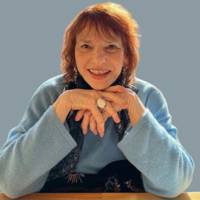
Dr. Diane Austin
Dr. Diane Austin, LCAT is the Director of the Music Psychotherapy Center in NYC, NY, where she has maintained a private practice in music and vocal psychotherapy as well as analytically oriented psychotherapy for more than 40 years.
Attend this course for as little as £22 as part of the Voice Professional Training CPD Award Scheme.
Learn MoreSorry, this is an archived short course...
We have plenty of upcoming short courses coming soon. See details of some of them below or look at the full list of short courses.

Friday 30th October 2026
3:00 PM - 5:00 PM
(London Time)
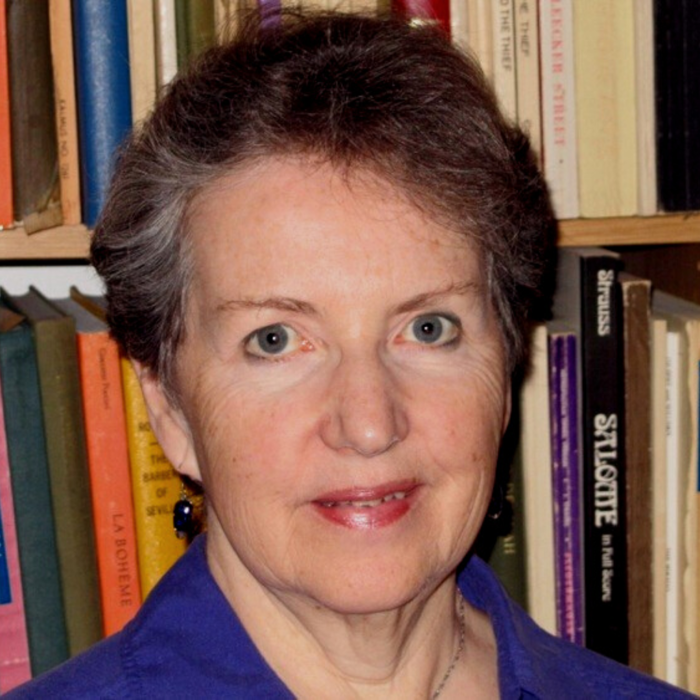
Feldenkrais Method® - its application in speech and song!

Marina Gilman
The Feldenkrais Method® is a form of somatic education that uses gentle movement and directed attention to improve physical and mental functioning, including singing and speaking. Since we are not always aware of the source of tension or discoordination, it is difficult to make the necessary adjustments to ensure optimal use of the voice!

Monday 2nd November 2026
5:00 PM - 7:00 PM
Tuesday 3rd November 2026
5:00 PM - 7:00 PM
(London Time)
The Vocal Health Challenges for Actors and Singers!

Leda Scearce
Two part course! Vocal health principles are inextricably and symbiotically linked with singing and acting voice pedagogy: Good vocal health allows the singer and actor to more easily and effectively achieve their technical and artistic goals, and good teaching reinforces vocal technique that diminishes the risk of vocal injury. We now also recognize the necessity for singers and actors to understand how their instruments work, how to take care of their voices, and what to do when something goes wrong. Singing and acting teachers are indeed on the front lines of vocal health!
Friday 6th November 2026
3:00 PM - 5:00 PM
(London Time)
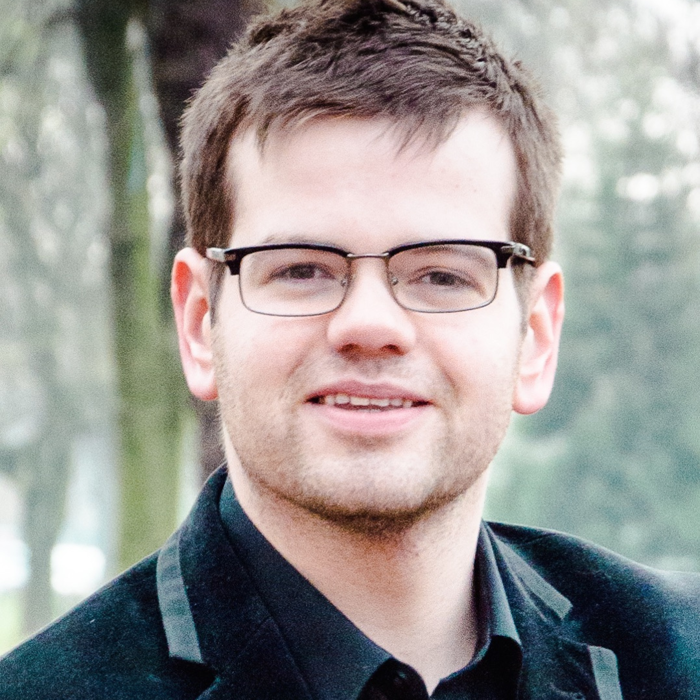
Neurodivergence and Critical Disability Theory

Dr David Cane
Hosted by our very own Dr David Cane, this two-hour session offers a timely and reflective opportunity to explore disability and neurodivergence within the voice teaching studio. Grounded in the field of critical disability studies, it will be of particular interest to voice professionals who wish to foster a more inclusive, reflexive and accessible practice.