Mitigating Music Performance Anxiety (MPA) Within the Teaching Studio: Theories & Practical Strategies
Wednesday 15th April 2026, 5:00 PM - 7:00 PM (London Time)
Thursday 16th April 2026, 5:00 PM - 7:00 PM (London Time)
Music performance anxiety (MPA) is a debilitating and common form of anxiety affecting student and professional musicians alike, and can shorten performance careers if left untreated. Thus far, treatments for MPA have focused primarily on using psycho-therapeutic and medicinal interventions, both of which must be administered by qualified practitioners with proper education and training in clinical psychology, medicine, or other health disciplines. While numerous treatments exist, the most common treatment for MPA by far is Cognitive Behavioral Therapy (CBT) with exposure therapy, and while the research in support of CBT + exposure is strong, music students often face valid hurdles preventing them from receiving this type of treatment: lack of access to qualified practitioners trained to use CBT with musicians, lack of time, lack of financial means to afford treatment, and stigma associated with psychotherapy.
In recent years, an alternative model for treating MPA has shown great promise among practitioners - training music teachers to use interventions from evidence-based coaching models aimed to treat MPA, rather than continually referring students with MPA to receive psychotherapy like CBT. Such a treatment model would address many, if not all, of the aforementioned hurdles preventing student musicians from receiving effective MPA treatment. The Voice Study Centre has led the charge in researching such an alternative treatment model, by training singing teachers to achieve competency in using Acceptance and Commitment Coaching (ACC) to directly treat their students’ MPA themselves. Thus far, the results of 10 studies in which a singing teacher was trained to use ACC within their voice studio, or within the classroom, have all shown positive support for such a teacher-led treatment model for MPA.
In this two-part course, you will learn about existing MPA treatments and their level of research support, including ACC. You will also learn several strategies from ACC that can be ethically administered by non-clinical professionals within the voice studio as way to effectively treat students’ MPA.

Dr David Juncos
David Juncos, PsyD, is a clinical psychologist, lecturer, performance coach, author, and music performance researcher based in Philadelphia, PA. He has 20 years of experience in treating a variety of clinical problems, including anxiety, mood, and substance use disorders.
Attend this course for as little as £22 as part of the Voice Professional Training CPD Award Scheme.
Learn MoreSorry, this is an archived short course...
We have plenty of upcoming short courses coming soon. See details of some of them below or look at the full list of short courses.

Tuesday 27th October 2026
5:00 PM - 7:00 PM
(London Time)
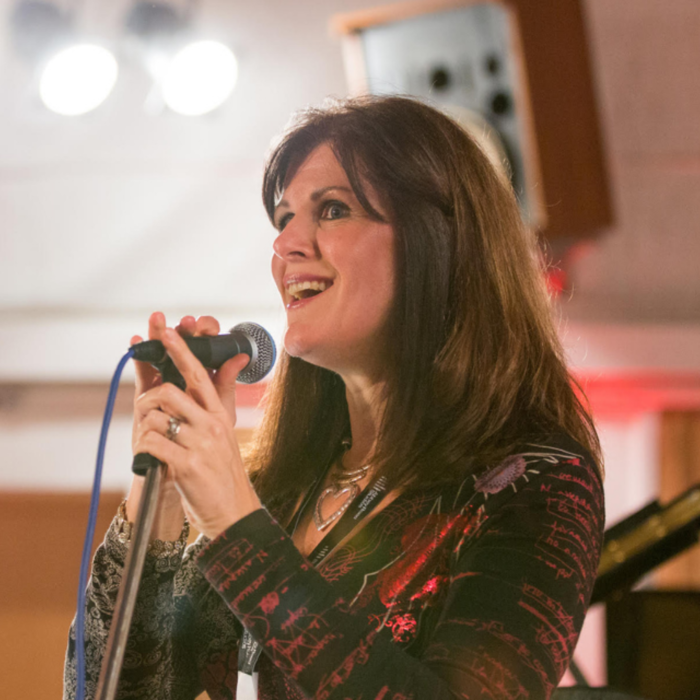
Pop Pedagogy - an Overview

Kim Chandler
Some successful pop stars are celebrating career lengths of over sixty years, having been around since the 1950s when pop music emerged and diversified from jazz, so pop singing has been in existence sufficiently long now that, for teaching purposes, we can observe and analyse what type of approach serves it best.
Friday 30th October 2026
3:00 PM - 5:00 PM
(London Time)
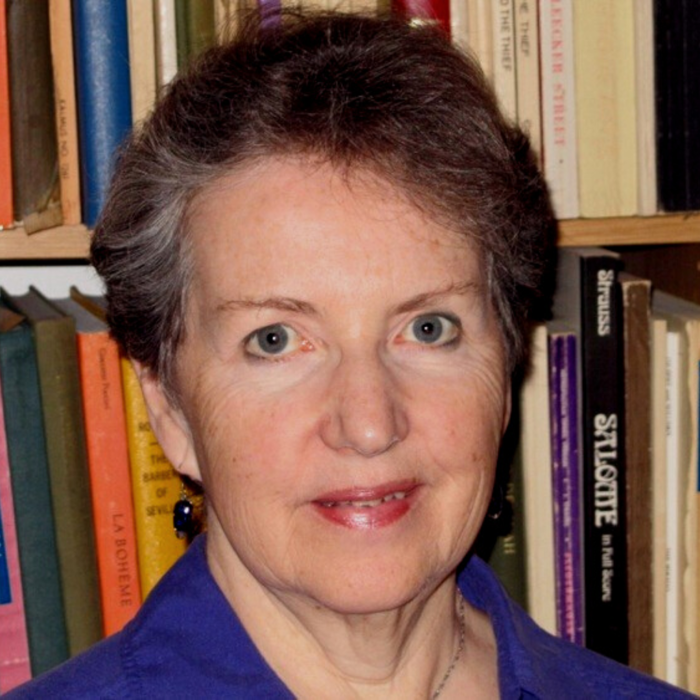
Feldenkrais Method® - its application in speech and song!

Marina Gilman
The Feldenkrais Method® is a form of somatic education that uses gentle movement and directed attention to improve physical and mental functioning, including singing and speaking. Since we are not always aware of the source of tension or discoordination, it is difficult to make the necessary adjustments to ensure optimal use of the voice!

Monday 2nd November 2026
5:00 PM - 7:00 PM
Tuesday 3rd November 2026
5:00 PM - 7:00 PM
(London Time)
The Vocal Health Challenges for Actors and Singers!

Leda Scearce
Two part course! Vocal health principles are inextricably and symbiotically linked with singing and acting voice pedagogy: Good vocal health allows the singer and actor to more easily and effectively achieve their technical and artistic goals, and good teaching reinforces vocal technique that diminishes the risk of vocal injury. We now also recognize the necessity for singers and actors to understand how their instruments work, how to take care of their voices, and what to do when something goes wrong. Singing and acting teachers are indeed on the front lines of vocal health!