Navigating Singing Voice Acoustics Research: Translating Theory into Practice
Thursday 23rd September 2021, 5:00 PM - 7:00 PM (London Time)
With the codification of Evidence-Based Voice Pedagogy, the modern voice teacher is encouraged to base voice instruction on the intersection of “teacher expertise and experience, student goals and perspectives, and relevant research into voice science and production” (Ragan, 2018).
How, then, are we to parse recent (and not-so-recent) literature to determine what is relevant?
How do we turn theory into practice?
This seminar will present an approach to seeking out, comprehending, and applying cutting-edge singing voice acoustics research.
It will help participants to understand:
- The anatomy of a scholarly paper.
- How to translate singing voice acoustics research into practice, and how to understand when doing so is not yet possible.
- How to ask appropriate and narrow research questions specifically in the field of singing voice acoustics.
- How to conduct rigorous research of topics related to singing voice acoustics.
- What programs are appropriate for objective and, alternatively, subjective analysis of the singing voice.
Participants will be given access to one tutorial for each program discussed so that they can explore voice analysis tools on their own.
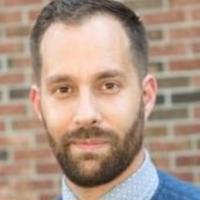
Joshua Glasner
Baritone, Joshua Glasner, M.M., Ph.D. is Assistant Professor of Music at Clarke University where he teaches voice lessons (CCM, Musical Theatre, and...
Sorry, this is an archived short course...
We have plenty of upcoming short courses coming soon. See details of some of them below or look at the full list of short courses.

Friday 30th October 2026
3:00 PM - 5:00 PM
(London Time)
Feldenkrais Method® - its application in speech and song!

Marina Gilman
The Feldenkrais Method® is a form of somatic education that uses gentle movement and directed attention to improve physical and mental functioning, including singing and speaking. Since we are not always aware of the source of tension or discoordination, it is difficult to make the necessary adjustments to ensure optimal use of the voice!

Monday 2nd November 2026
5:00 PM - 7:00 PM
Tuesday 3rd November 2026
5:00 PM - 7:00 PM
(London Time)
The Vocal Health Challenges for Actors and Singers!

Leda Scearce
Two part course! Vocal health principles are inextricably and symbiotically linked with singing and acting voice pedagogy: Good vocal health allows the singer and actor to more easily and effectively achieve their technical and artistic goals, and good teaching reinforces vocal technique that diminishes the risk of vocal injury. We now also recognize the necessity for singers and actors to understand how their instruments work, how to take care of their voices, and what to do when something goes wrong. Singing and acting teachers are indeed on the front lines of vocal health!
Friday 6th November 2026
3:00 PM - 5:00 PM
(London Time)
Neurodivergence and Critical Disability Theory

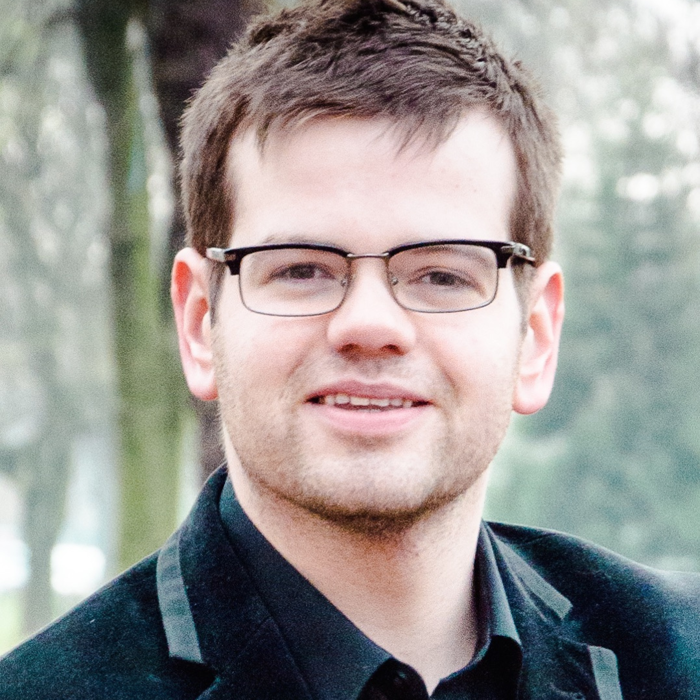
Dr David Cane
Hosted by our very own Dr David Cane, this two-hour session offers a timely and reflective opportunity to explore disability and neurodivergence within the voice teaching studio. Grounded in the field of critical disability studies, it will be of particular interest to voice professionals who wish to foster a more inclusive, reflexive and accessible practice.