Pop Pedagogy
Monday 17th February 2025, 5:00 PM - 7:00 PM (London Time)
As the ‘newest’ of the singing styles to be taught in music institutions and private studios, the pedagogy for teaching popular singing is still in its early stages relative to other styles of singing, particularly classical singing. However, pop pedagogy has been developing steadily since the year 2000 when the author was part of the team that developed and delivered one of the very first degrees in Popular Music in the UK. Since then, pop music courses have proliferated worldwide.
We also live in a time when some successful pop stars are celebrating career lengths of over sixty years, having been around since the 1950s when pop music emerged and diversified from jazz, so pop singing has been in existence sufficiently long now that, for teaching purposes, we can observe and analyse what type of approach serves it best, in and of itself.
Whilst contemporary singing certainly shares many areas with other styles of singing, the specifics are distinctive and “non-generic”, thereby requiring a certain level of specialised knowledge, training, experience, and competence to perform it authentically. This course will deliver an overview of the requirements for teaching contemporary singers, presented under three main headings: Technique, Musicianship and Interpretation.
To further fill out the content for each category, the author has reverse engineered what pop singers need to be able to do and know about to be effective in the music industry, so it’s based on observations from her many years of high-level performing, teaching experience and post-graduate studies. These findings have been published in book form and summarised as a curriculum poster.
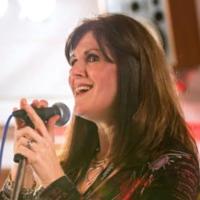
Kim Chandler
Kim Chandler (MMus BMusEd) is a renowned contemporary vocal coach & session singer. She runs a busy private studio in Marbella, Spain, where she coaches an elite clientele of stadium band singers, including BRIT award winners & GRAMMY nominees, artists from a range of genres, professional singers and vocal coaches online.
Attend this course for as little as £22 as part of the Voice Professional Training CPD Award Scheme.
Learn MoreSorry, this is an archived short course...
We have plenty of upcoming short courses coming soon. See details of some of them below or look at the full list of short courses.

Tuesday 27th October 2026
5:00 PM - 7:00 PM
(London Time)
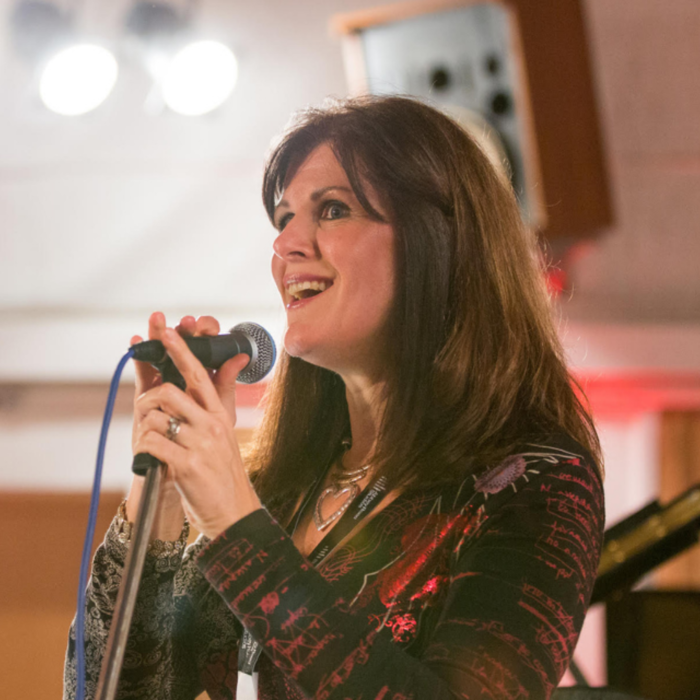
Pop Pedagogy - an Overview

Kim Chandler
Some successful pop stars are celebrating career lengths of over sixty years, having been around since the 1950s when pop music emerged and diversified from jazz, so pop singing has been in existence sufficiently long now that, for teaching purposes, we can observe and analyse what type of approach serves it best.
Friday 30th October 2026
3:00 PM - 5:00 PM
(London Time)
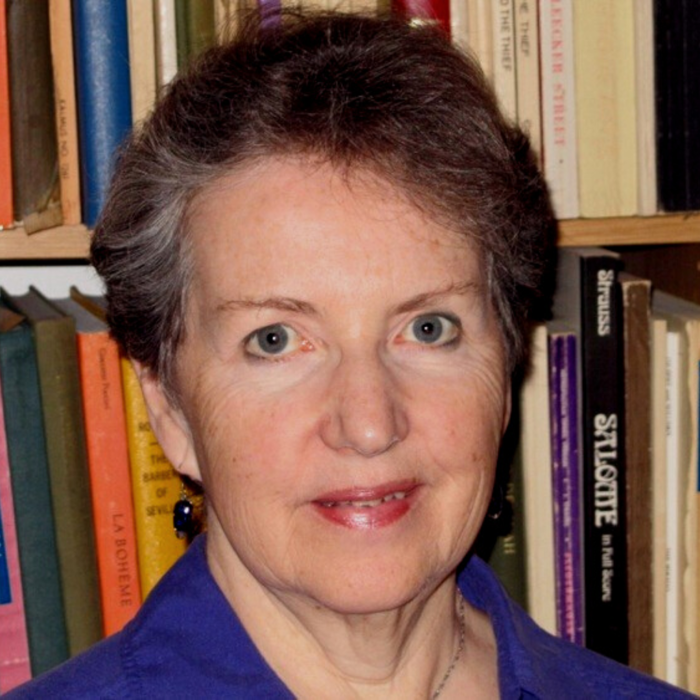
Feldenkrais Method® - its application in speech and song!

Marina Gilman
The Feldenkrais Method® is a form of somatic education that uses gentle movement and directed attention to improve physical and mental functioning, including singing and speaking. Since we are not always aware of the source of tension or discoordination, it is difficult to make the necessary adjustments to ensure optimal use of the voice!

Monday 2nd November 2026
5:00 PM - 7:00 PM
Tuesday 3rd November 2026
5:00 PM - 7:00 PM
(London Time)
The Vocal Health Challenges for Actors and Singers!

Leda Scearce
Two part course! Vocal health principles are inextricably and symbiotically linked with singing and acting voice pedagogy: Good vocal health allows the singer and actor to more easily and effectively achieve their technical and artistic goals, and good teaching reinforces vocal technique that diminishes the risk of vocal injury. We now also recognize the necessity for singers and actors to understand how their instruments work, how to take care of their voices, and what to do when something goes wrong. Singing and acting teachers are indeed on the front lines of vocal health!