(R)evolutionary Voice Training: harnessing human instinct to accelerate vocal transformation!
Thursday 4th December 2025, 5:00 PM - 7:00 PM (London Time)
Human beings and our vertebrate ancestors have been communicating via vocalization for millions of years – those sounds did not start as complex language, but as animal mimicry, acoustic cuing, and emotional primal sounds.
But there's so much more in our evolutionary communication toolkit than just the sounds. From hand gestures to full-body movement, micro-expressions to emotional breathing, we carry a repertoire of instinctive shortcuts that can lower cognitive load and accelerate vocal change.
In this two-hour session we'll explore how tapping into gesture, nervous system safety, emotional breath coordination, and microexpression work can expedite training process; how mimicking nonverbal animal cues can free singers from overthinking; and how simple symbolic prompts can rewire habitual tension patterns.
You'll leave with practical exercises that integrate movement, micro-expression work, and sound, so you can access more spontaneous, alive, and resilient vocal production. Welcome to the (r)evolution.
🏷️ Price £30 (UK VAT inclusive)
🎥 Recording automatically sent to all who book (even if you cannot attend live)
▶️ Rewatch as many times as you like
📜 Certificate of attendance available
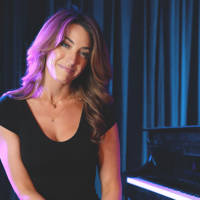
Maddie Tarbox
Maddie Tarbox is an evolutionary vocal coach, performer, and founder of Maddie Tarbox Vocal Studio. She combines evidence-informed voice science with movement, gesture, and evolutionary vocal practices to help contemporary singers and teachers access freer, more resilient, and expressive vocal production for themselves and their clients.

Attend this course for as little as £22 as part of the Voice Professional Training CPD Award Scheme.
Learn MoreSorry, this is an archived short course...
We have plenty of upcoming short courses coming soon. See details of some of them below or look at the full list of short courses.

Wednesday 4th March 2026
1:00 PM - 2:00 PM
Wednesday 11th March 2026
1:00 PM - 2:00 PM
Wednesday 18th March 2026
1:00 PM - 2:00 PM
Wednesday 25th March 2026
1:00 PM - 2:00 PM
Wednesday 1st April 2026
1:00 PM - 2:00 PM
Wednesday 8th April 2026
1:00 PM - 2:00 PM
(London Time)
Learn to Coach RP and SSBE – a Certificate in Accent Coaching

Louisa Morgan
This six-week course is an opportunity to learn about both Received Pronunciation and Standard Southern British English. Rather than a course in learning how to speak RP/SSBE (there are many brilliant available courses for this already), this course is about learning how to coach it.

Wednesday 25th March 2026
5:00 PM - 7:00 PM
(London Time)
Mastering the Art of "Marking": Vocal Longevity for the Modern Singer

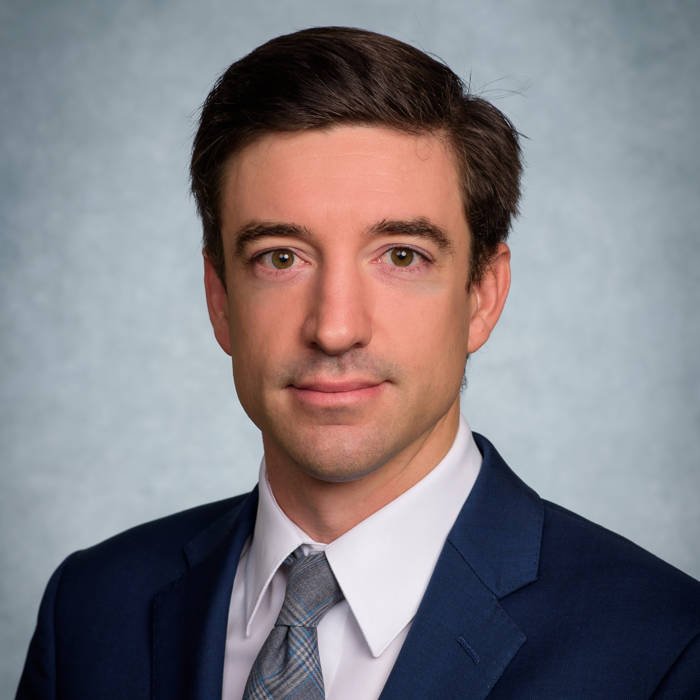
Jacob Wright
Don’t just save your voice—optimize it! Join Jacob Wright as he explores marking technique in singing, a vocal conservation strategy used by singers during rehearsals and extended performance periods. Marking involves singing at reduced vocal intensity, altered pitch, or modified vocal quality to preserve vocal health while maintaining musical and dramatic engagement. Participants will gain practical tools for implementing marking in their own practice, teaching, or clinical work, supported by current research and voice science principles!
Friday 27th March 2026
1:00 PM - 3:00 PM
(London Time)
Muscle Tension Dysphonia in the Singing Voice!

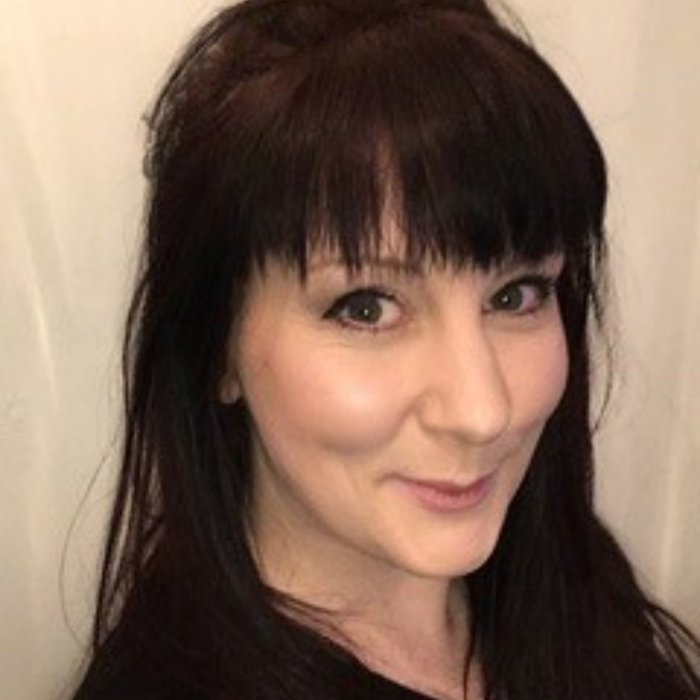
Dr Claire Thomas
A specialist course for singing teachers and voice professionals! Designed specifically for those working with singers, this in-depth course with Dr Claire Thomas explores Muscle Tension Dysphonia (MTD) through the lens of the singing voice - bridging clinical research and studio practice.