Research and Practical Training Perspectives on the Linklater Voice® Method
Tuesday 20th January 2026, 5:00 PM - 7:00 PM (London Time)
The Linklater Voice Method, developed by Kristin Linklater, is one of the most influential voice training practices in the field of actor training. In her books Freeing the Natural Voice (1976/2006) and Freeing Shakespeare’s Voice (1992), Linklater outlined a step-by-step progression of exercises intended to profoundly shape the way actors and speakers approach the voice for truth, clarity, and emotional expressivity. Her method, rooted in psycho-physical practice, is developed for actor training but is aimed at everybody interested in developing their voice, and has been applied in areas such as public speaking, education, and leadership training.
In the Linklater Voice Method a progression of exercises to free thenatural voice moves organically from releasing tensions in the body, developing breath awareness, awakening vibration and resonance, expanding vocal range and exploring the clarity and sensory nature of articulation. Each step builds on the previous one, gradually restoring a voice that responds freely to thoughts and other impulses, and allows the speaker to access a wide spectrum of expressive possibilities. Linklater voice training is not just about ”developing the voice”, but about connecting body and mind so that breath, voice, and imagination work together. The aim is to train the voice so that it responds directly to the actor’s thoughts, imagination, space, and other impulses that arise in acting and in any communication.
This lecture will examine key pedagogical principles of the Linklater Voice Method and explore some of its central exercises in practice. I will also present findings from my perceptual and acoustic research on the Linklater Voice Method. My research is focused on the method’s impact on the voice as well as acting students’ own perceptions of how it influences their vocal use and acting.
🏷️ Price £30 (UK VAT inclusive)
🎥 Recording automatically sent to all who book (even if you cannot attend live)
▶️ Rewatch as many times as you like
📜 Certificate of attendance available
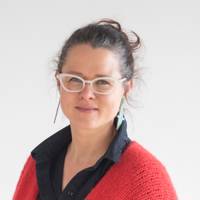
Tuuli Nilsson
Tuuli Nilsson is an internationally experienced and certified voice, speech, and body trainer. For over 20 years, she has studied some of the world’s most renowned voice and body methods, and she holds teacher certifications in the Alexander Technique (from ACAT), Linklater Voice®, Fitzmaurice Voicework®, and Miller Voice Method™. She teaches voice and speech at the Theatre Academy of the University of the Arts, Helsinki (TEAK).
Attend this course for as little as £22 as part of the Voice Professional Training CPD Award Scheme.
Learn MoreSorry, this is an archived short course...
We have plenty of upcoming short courses coming soon. See details of some of them below or look at the full list of short courses.

Monday 19th October 2026
2:00 PM - 4:00 PM
Tuesday 20th October 2026
2:00 PM - 4:00 PM
(London Time)
Introduction to Vocal Acoustics for Spoken and Sung Voice

Gökçe Kutsal
This course is designed to break down the fundamentals of acoustics for both spoken and sung voice in a beginner-friendly, accessible way — so you can easily understand and apply these concepts to your teaching or research.

Tuesday 20th October 2026
5:00 PM - 7:00 PM
(London Time)
Practical Magic*: The Art & Science of Balancing Voices with SOVTs and VFEs

Melanie Tapson
Through live demonstrations, group practice, and peer coaching, you’ll learn how to teach SOVTs and VFEs with clarity and precision, integrate their principles to support vocal health, recovery, and stylistic flexibility and troubleshoot challenges and adapt exercises for individualized results.
Tuesday 27th October 2026
5:00 PM - 7:00 PM
(London Time)
Pop Pedagogy - an Overview

Kim Chandler
Some successful pop stars are celebrating career lengths of over sixty years, having been around since the 1950s when pop music emerged and diversified from jazz, so pop singing has been in existence sufficiently long now that, for teaching purposes, we can observe and analyse what type of approach serves it best.