Securing Belt, Mix, and Legit for Musical Theatre
Thursday 10th July 2025, 5:00 PM - 7:00 PM (London Time)
Today, musical theatre singers are required to perform in a variety of vocal styles, ranging from legit to rock and pop. This demands a deep understanding of the systematic adjustments necessary to master these styles while maintaining a balanced and sustainable vocal technique.
This course explores the various systematic negotiations and approaches necessary for legit, mixed, and belt voice qualities for authentic performance. Participants will learn how to develop vocal exercises for voice habilitation, as well as targeted aesthetic exercises. We will discuss cues for registration awareness and development, necessary vowel modifications, the impact of emotional stimuli, effective breathing strategies, and simple speech organization of the voice that allow your students to navigate the many styles of musical theatre singing!

Kevin Wilson
Kevin Wilson joined the Wanda Bass School of Music in the Fall of 2024. A native of Oklahoma, he comes to Oklahoma City University after spending 16 years as a Professor of Voice and Director of Vocal Pedagogy at the Boston Conservatory. While at the conservatory, he established the Master of Music degree in Vocal Pedagogy, the Master of Fine Arts degree in Musical Theatre Vocal Pedagogy, and the annual Vocal Pedagogy Professional Workshop. At OCU, he teaches Advanced Vocal Pedagogy and is the Director of the annual Vocal Pedagogy and Vocology Intensive. In 2024, he received the Excellence in Teaching Award from OCU.
Attend this course for as little as £22 as part of the Voice Professional Training CPD Award Scheme.
Learn MoreSorry, this is an archived short course...
We have plenty of upcoming short courses coming soon. See details of some of them below or look at the full list of short courses.

Wednesday 15th April 2026
5:00 PM - 7:00 PM
Thursday 16th April 2026
5:00 PM - 7:00 PM
(London Time)
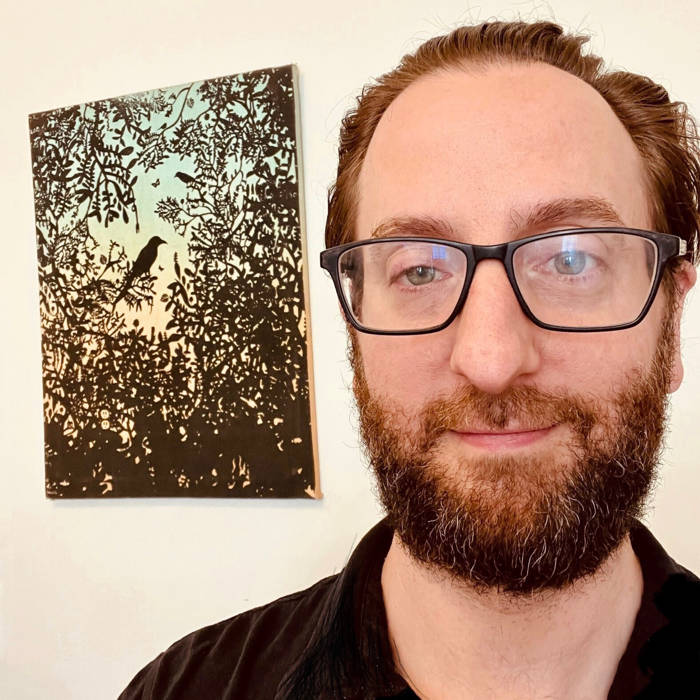
Mitigating Music Performance Anxiety (MPA) Within the Teaching Studio: Theories & Practical Strategies

Dr David Juncos
In recent years, an alternative model for treating MPA has shown great promise among practitioners - training music teachers to use interventions from evidence-based coaching models aimed to treat MPA, rather than continually referring students with MPA to receive psychotherapy like CBT.
Thursday 16th April 2026
5:00 PM - 7:00 PM
(London Time)
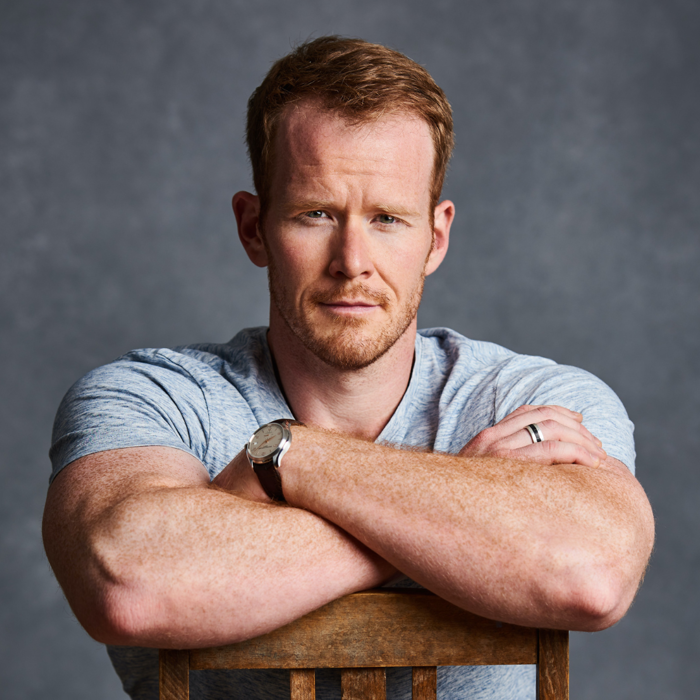
Nutrition and Exercise for Singers – The Missing Link in Vocal Health and Longevity

Duncan Rock
Discover the essential role that nutrition and exercise play in enhancing vocal health and ensuring a long-lasting singing career in our upcoming seminar, "Nutrition and Exercise for Singers – The Missing Link in Vocal Health and Longevity."

Monday 20th April 2026
12:00 PM - 1:30 PM
Tuesday 21st April 2026
12:00 PM - 1:30 PM
Wednesday 22nd April 2026
12:00 PM - 1:30 PM
Thursday 23rd April 2026
12:00 PM - 1:30 PM
(London Time)
Certificate in Acting Approaches for Singing Teachers

Louisa Morgan
Are you a singing teacher looking to elevate your students’ performance? This 4-part course is perfect for those who want to help their singers connect deeply with the character and the story behind the song. Many singing teachers have lots of brilliant ideas about coaching vocal performance but often don’t have a background in acting. Learning more about acting techniques can build structure into your performance-focused lessons and add depth to the song. Gain practical tools and techniques that you can apply to your teaching.