Sex Steroid Hormones: An Overview Of Their Impacts On Voice
Thursday 26th May 2022, 3:00 PM - 5:00 PM (London Time)
The first evidence that there is a relationship between sex steroid hormones and voice quality is found in the historical recordings and descriptions of the voice of the Castrati.
Later on, histological observations of the mucosa of the larynx showed the presence of specific receptors for these hormones, i.e., oestrogens, progesterone and testosterone in several vocal fold mucosal subunits.
Therefore, it is not surprising that voice quality changes during puberty, with the menstrual cycle, during pregnancy and at menopause.
Besides physiological and acoustical changes observed in association with sex steroid hormonal variations, this workshop will show how these changes affect singer’s performance and career choices.

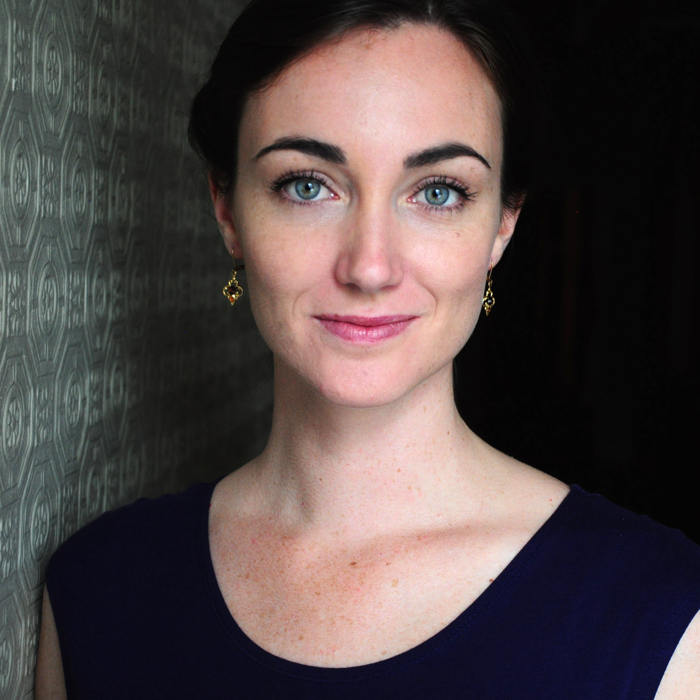
Filipa M.B. Lã
Filipa M.B La (soprano) holds a Ph.D. and Master’s Degree in Music (Singing) and a Licentiate in Biology (Education). The interdisciplinary nature of her background encouraged...
Sorry, this is an archived short course...
We have plenty of upcoming short courses coming soon. See details of some of them below or look at the full list of short courses.

Monday 30th November 2026
6:00 PM - 8:00 PM
(London Time)
Bringing Colour Theory into IPA Vowels!

Siobhan Doherty Buffett
Step into a multi-sensory approach to phonetics with Siobhan Doherty Buffett, certified teacher of Knight-Thompson Speechwork™. In this engaging session, Siobhan introduces a new Colour Theory Map of the International Phonetic Alphabet (IPA) Vowel Chart - a visual tool designed to demystify complex phonetic concepts, deepen anatomical awareness, and transform how we teach and practice narrow transcription. Whether you are a voice teacher, speech-language pathologist, linguist, or performer, this interactive exploration offers a fresh, intuitive lens to help both you and your students visualize the subtle mechanics of vowel production!

Thursday 3rd December 2026
5:00 PM - 7:00 PM
(London Time)
Singing and Parkinson’s Disease: Overview of the Evidence to Date

Dr Abigail Webb
Parkinson’s Disease is a progressive neurological disorder affecting around 166,000 people in the UK. It is characterised by a significant reduction in dopamine production that in turn causes impairments across several motor and non-motor functioning. A 2025 review indicated that singing may benefit certain aspects of speech production in those affected, and in the last decade, a collection of research studies has explored the role of singing specifically in symptom management of Parkinson’s. Join Dr Abigail Webb, as she brings together evidence to date of the impact of singing for people living with Parkinson’s.

Tuesday 8th December 2026
5:00 PM - 7:00 PM
(London Time)
Authenticating Accents: The Process behind Authenticity!

Dayle Towarnicky
Authenticity is a present-day buzzword around performance, including performance in a target accent! But what makes accentwork ‘authentic’ or ‘inauthentic’ aside from hitting target sounds? Join Dayle Towarnicky to learn, explore, and apply theory about the process of authentication to your accentwork practice! Defining authentication compared to authenticity and other terms, explore authentication as a ‘tactic’ language-users deploy, and apply authentication to accents and the accentwork process itself.