Singing and the Brain: A Harmonious Connection!
Thursday 23rd April 2026, 2:00 PM - 4:00 PM (London Time)
Friday 24th April 2026, 2:00 PM - 4:00 PM (London Time)
Unlock the transformative power of music with our two-part lecture series that delves deep into the fascinating intersection of neuroscience, music education, and music therapy. This comprehensive exploration will expand your horizons in the following key areas:
- Neuroscience and Music: Gain insights into the fundamental mechanisms underlying the profound connection between music and the brain. Uncover the intricate ways in which music impacts cognitive and emotional well-being, leading to remarkable changes in brain structure and function.
- Neuroscience of Music Education & Music Therapy: Discover how music education and therapy serve as catalysts for neuroplasticity, enhancing cognitive abilities and promoting lifelong brain health. Learn about the myriad benefits of these practices, from fostering healthy aging to their overall positive impact on well-being.
- The Science of Singing Throughout the Lifespan: Uncover the science behind the human voice and its evolution from infancy to later years. This segment provides a solid foundation of research on the art and science of singing, offering valuable insights for educators, practitioners, and researchers.
This course aims to achieve three distinct objectives: to demonstrate the multifaceted benefits of music training and therapy, to equip you with a neuroscience-informed perspective for teaching, practice, and research, and to provide a comprehensive understanding of the science of singing across all stages of life. Join Dr Patricia Izbicki on this captivating journey and unlock the secrets of music's impact on the brain and human development.
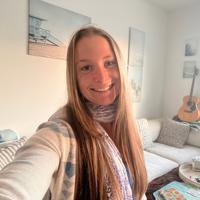
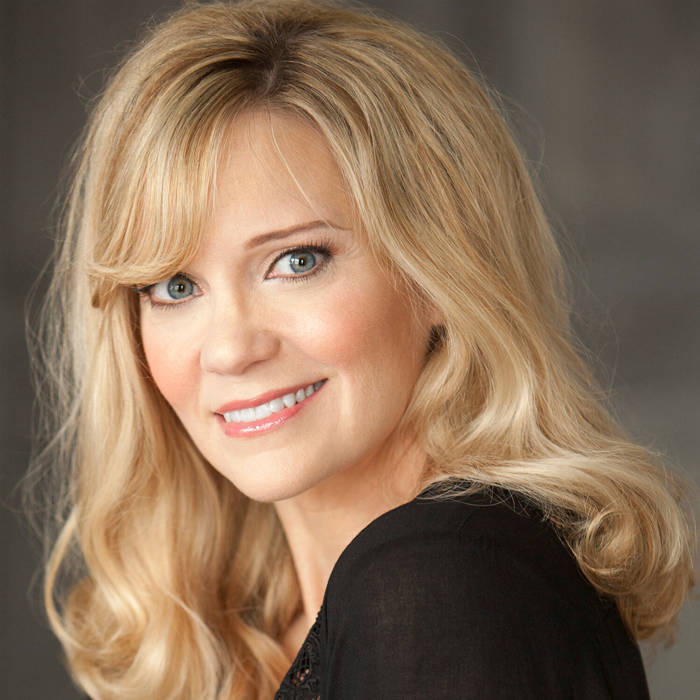
Dr Patricia Izbicki
Dr Patricia Izbicki is a neuroscientist and medical science liaison at Octave, as well as a classical pianist and harpsichordist. Her research focuses on understanding the brain mechanisms of complementary therapies, such as music training, in aging adults and persons with Parkinson's disease.
Attend this course for as little as £22 as part of the Voice Professional Training CPD Award Scheme.
Learn MoreSorry, this is an archived short course...
We have plenty of upcoming short courses coming soon. See details of some of them below or look at the full list of short courses.
Tuesday 18th August 2026
3:00 PM - 5:00 PM
Tuesday 25th August 2026
3:00 PM - 5:00 PM
Tuesday 1st September 2026
3:00 PM - 5:00 PM
Tuesday 8th September 2026
3:00 PM - 5:00 PM
Tuesday 15th September 2026
3:00 PM - 5:00 PM
Tuesday 22nd September 2026
3:00 PM - 5:00 PM
(London Time)
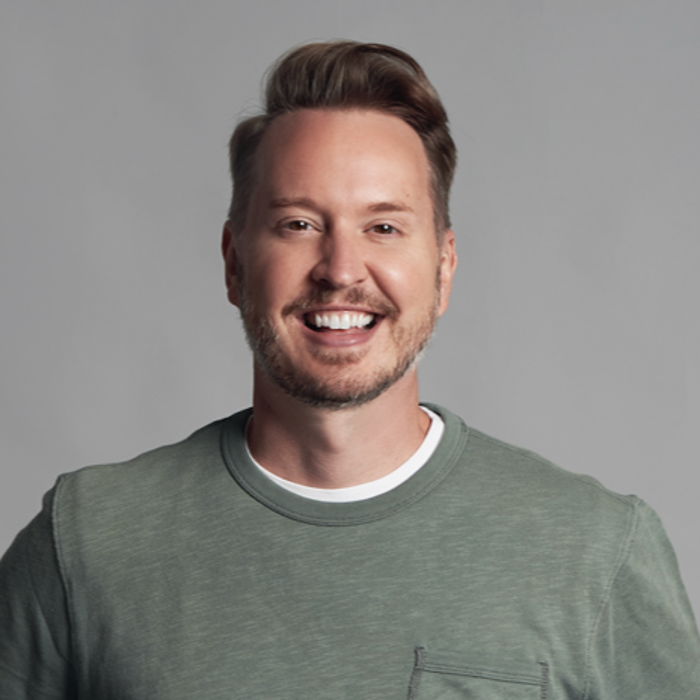
Musical Theatre Vocal Pedagogy Certificate

Kevin Wilson
Join Kevin Wilson for this six-part certificated course, offering an in‑depth, practical exploration of contemporary voice teaching for musical theatre. Across six focused classes, participants develop a systematic approach to vocal technique, diagnosis, and repertoire selection that reflects the stylistic, physical, and emotional demands of the genre. The curriculum integrates vocal science, embodied voice work, registration theory, and stylistic awareness across the five major sub‑genres of musical theatre.

Thursday 3rd September 2026
5:00 PM - 7:00 PM
(London Time)
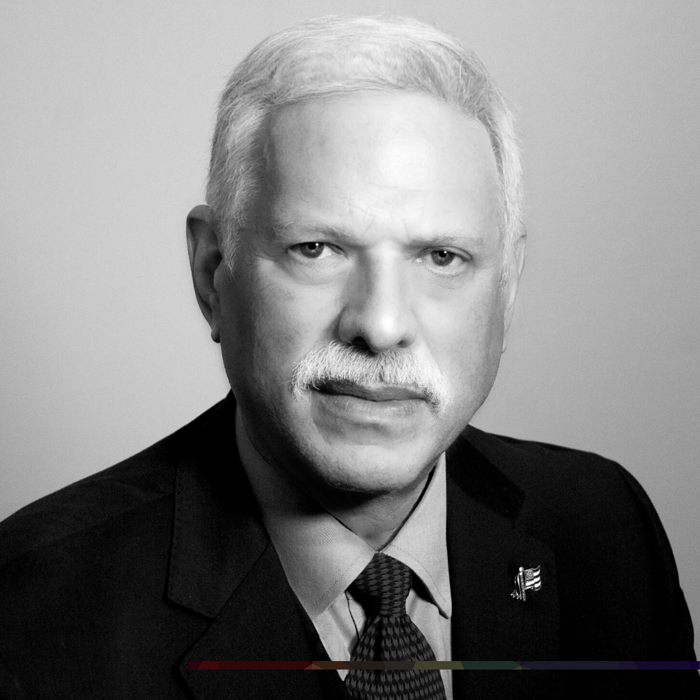
Common Medical Diagnoses and Treatments in Voice Patients

Dr Robert Sataloff
Join world-renowned ENT surgeon, author, and professional singer Professor Robert Sataloff for this short course on common medical diagnoses and treatments in voice patients. Whether you are treating voice disorders or navigating the world of academic research, this course provides an excellent opportunity to learn from a true expert in the field. This course is suitable for voice teachers, singers, speech-language pathologists, ENT specialists, and anyone passionate about advanced voice care and credible research.
Thursday 10th September 2026
5:00 PM - 7:00 PM
(London Time)
Dalcroze Eurhythmics in the Voice Studio

Dr Tish Oney
The Dalcroze Method taught by Swiss music teacher Émile Jaques-Dalcroze (1865-1950) has long been valued as a tool for teaching music in group settings (ensembles, choirs, music classes, etc.) But what about its one-on-one use in the applied voice studio? Join Dr. Tish Oney for this interactive short course and learn about the history and principles of this important method of music education. Through the employ of Dalcroze movements and concepts, singers and teachers explore music in ways that can reduce tension and increase the fun of music making, while encouraging discovery of technical and theoretical skill-building practices.