Unpacking the Transformative Pedagogic Concepts of the 21st Century
Wednesday 21st January 2026, 5:00 PM - 7:00 PM (London Time)
The evolution and accumulation of a pedagogy that has ecological validity across all voice types and genres draws from multiple sources: historic pedagogic writings, emerging voice science, reported perceptions of high-level performers, the genre and style requirements and expectations of voice culture, plus years of studio practitioner experience.
Although whenever possible, pedagogic applications are grounded in objective declarative knowledge (the established facts of efficient function), effective pedagogy necessarily ventures into the subjective perceptions of the sensorial, procedural knowledge of the performer—what it feels and sounds like to the singer to sing with efficiency. Afterall, motor behaviour is guided by procedural knowledge—the neural signaling of learned and habituated output targets.
This course will present a distilled list and elaboration of those concepts and procedural correlates that were most pedagogically transformative in the presenter’s fifty-year teaching experience, ranging from the necessary migrations of sound and sensation across range and register transitions to beneficial articulatory and resonance tuning strategies, and will include guided explorations of application along the way.
🏷️ Price £30 (UK VAT inclusive)
🎥 Recording automatically sent to all who book (even if you cannot attend live)
▶️ Rewatch as many times as you like
📜 Certificate of attendance available

Ken Bozeman
Kenneth Bozeman, BM, MM,Professor Emeritus of Music, taught at Lawrence University for 42 years where he chaired the voice department and from...
Attend this course for as little as £22 as part of the Voice Professional Training CPD Award Scheme.
Learn MoreSorry, this is an archived short course...
We have plenty of upcoming short courses coming soon. See details of some of them below or look at the full list of short courses.

Wednesday 4th March 2026
1:00 PM - 2:00 PM
Wednesday 11th March 2026
1:00 PM - 2:00 PM
Wednesday 18th March 2026
1:00 PM - 2:00 PM
Wednesday 25th March 2026
1:00 PM - 2:00 PM
Wednesday 1st April 2026
1:00 PM - 2:00 PM
Wednesday 8th April 2026
1:00 PM - 2:00 PM
(London Time)
Learn to Coach RP and SSBE – a Certificate in Accent Coaching

Louisa Morgan
This six-week course is an opportunity to learn about both Received Pronunciation and Standard Southern British English. Rather than a course in learning how to speak RP/SSBE (there are many brilliant available courses for this already), this course is about learning how to coach it.


Tuesday 17th March 2026
5:00 PM - 7:00 PM
(London Time)
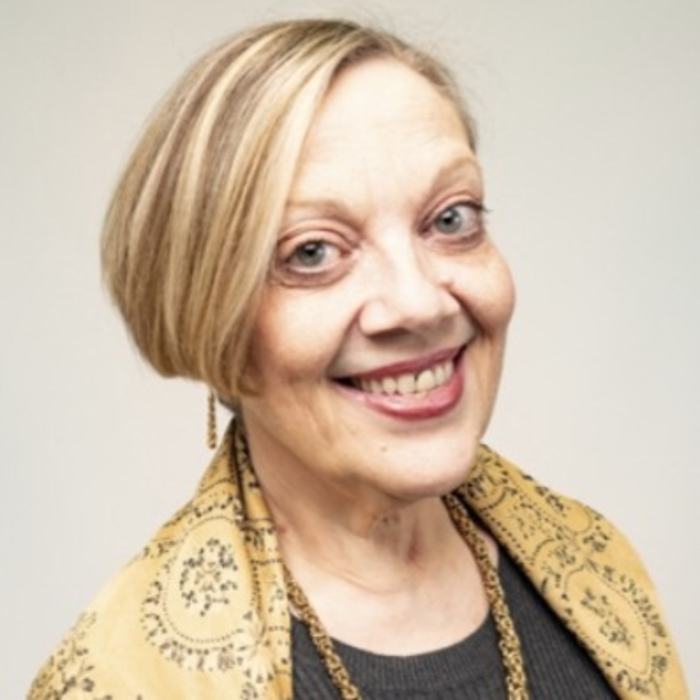
The Use of Vibrato in Belt and Legit Styles of Singing in Professional Female Musical Theatre Performers

Dr. Alyssa Becker
Shaped by the popular music of its time, musical theatre blends storytelling with an ever-evolving range of vocal styles—from classical legit singing to jazz, hip-hop, and powerhouse belting. Despite its importance, much of what we understand about vibrato comes from laboratory-based studies that strip singing of its musical, stylistic, and performance context. Join Dr Alyssa Becker as she connects current research with real-world pedagogy, revealing how elite musical theatre performers strategically use vibrato to shape style and storytelling, and showing how these insights can be applied in the voice studio to train stylistic flexibility and control!
Wednesday 18th March 2026
5:00 PM - 7:00 PM
(London Time)
Facilitating Jaw Release Through Improved Habits of Stance and Alignment

Ruth Williams Hennessy
Are you a singer or speaker struggling with stubborn jaw tension that just won't quit? Even with elite training, the "stuck" jaw is often a symptom of a surprising culprit: your feet! Join Ruth Hennessy in this interactive workshop where she bridges the gap between podiatry and phonation, moving beyond "temporary fixes" to address the physical misalignments that bottleneck your performance.