At Voice Study Centre, we’re passionate about innovative research and facilitating ideas. We’ve created the Research Associate position to fund an opportunity for qualified individuals to undertake a micro research project. The project must be completed in 3 months and produce a tangible resource that has the potential to cover the cost of the project. An example would be an online course based on the research, or some other innovative income stream. A successful outcome will enable investment into further research projects and the possibility of contract extension.
How it Works:
- Submit your 1–page research proposal for consideration. Successful proposals will be those with revenue-generating potential to support future Voice Study Centre research.
In return, we’ll give you:
- 3-month contract (part-time: 8 hours per week)
- £2,250 / $3,150 remuneration for the full term (pro rata £45k / $63k salary)
- Independent project: you’ll complete your chosen research within the contract timeframe.
The Company is committed to a partnership approach that rewards innovation. We give you freedom to shape your own research project and provide a platform for your contributions, within a supported environment.
This role is designed for independent, motivated researchers who want to pursue publishable work while also seeing their insights applied in meaningful contexts.
If you feel you could be a good fit for this role, then please forward your CV, cover letter and 1-page proposal to research@voicestudycentre.com.
More information
Recent Posts
After The Session
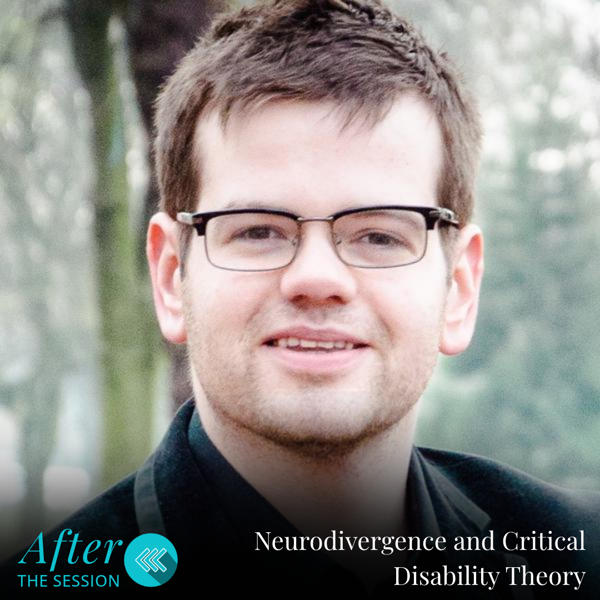
After The Session: Neurodivergence and Critical Disability Theory with Dr David Cane

Voice Study Centre
Monday 9th November 2026A recap of our session with Dr David Cane, Senior Lecturer on the Voice Study Centre MA in Voice Pedagogy, on disability and neurodivergence within the voice teaching studio. When we talk about disability and neurodivergence in voice teaching, the first thing that comes to mind is often a single question: what do I do if a disabled or neurodivergent student walks into my studio? In this session, Dr David Cane invited us to think much bigger. The teacher might be disabled or neurodivergent. So might a choir director or a colleague. The songs we teach may depict or use disability as a metaphor. Even the foundational texts of voice pedagogy carry assumptions about bodies and voices. This was a densely theoretical tour, and David was open about that. His argument was that the most important work is not a checklist of practical tips, but a rethink of what we believe teaching is for. Here are the main threads.
Read More...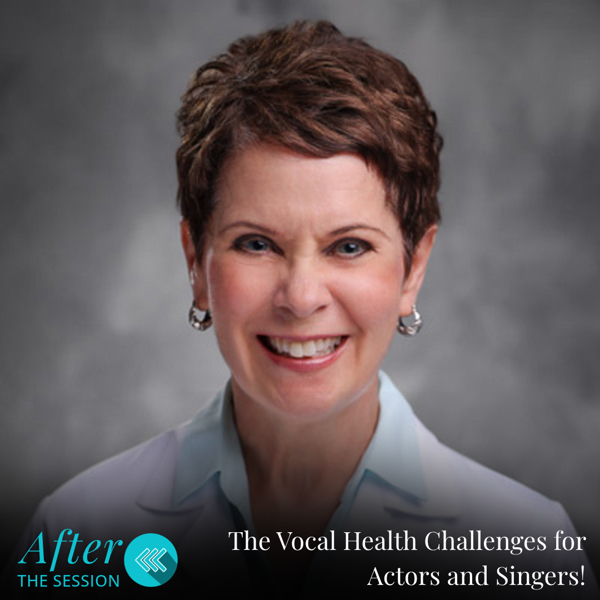
After The Session
After The Session: The Vocal Health Challenges for Actors and Singers with Leda Scearce
Voice Study Centre
Wednesday 4th November 2026A recap of our two-part course with Leda Scearce, singing voice specialist and speech-language pathologist at Duke Voice Care Center in North Carolina. Over two afternoons, Leda Scearce took our community on a deep dive into the voice as a high-performance instrument. A former professional opera singer who taught at several universities before retraining as a speech-language pathologist, Leda now works with singers and other performers who have voice injuries. Her message across both days was clear: singers and actors are vocal athletes, and voice teachers are on the front lines of their vocal health. Here are the highlights from both sessions. Please note that this is a summary of a teaching session, not medical advice. If you or a student have a voice concern, see a qualified voice specialist.
Read More...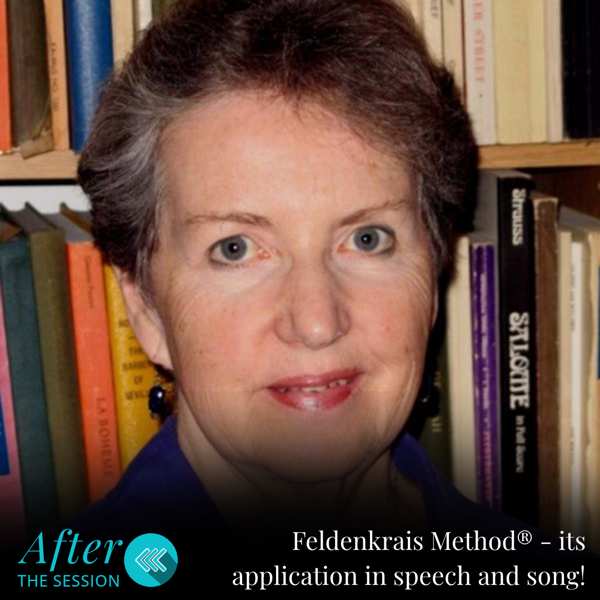
After The Session
After The Session: Feldenkrais Method® - its application in speech and song! with Marina Gilman
Voice Study Centre
Monday 2nd November 2026A recap of our session with Marina Gilman, Guild Certified Feldenkrais Practitioner, singing teacher, performer and licensed speech pathologist specialising in voice. How do we change vocal habits we don't know we have? That was the question at the heart of our latest session with Marina Gilman, and her answer was equal parts science, storytelling and gentle movement. Rather than lecturing from the front, Marina had the whole room (and everyone watching online) moving, sensing and humming along from their chairs. If you joined us, here is a reminder of what we explored. If you missed it, here is a taste of why this method has so many voice teachers talking.
Read More...