A neurodiversity-affirmative approach to the voice!
Wednesday 29th October 2025, 5:00 PM - 7:00 PM (London Time)
The Neurodiversity Paradigm challenges the concept of autism, and related neurological differences such as ADHD and dyspraxia, as disorders or deficits, instead viewing neurodiversity (neurological diversity) as a natural and normal part of human diversity.
Under the neurodiversity paradigm, neurotype (e.g. neurotypical, autistic etc.) is considered as an aspect of identity, in the same way as gender or sexuality, and neurodivergent forms of behaviour, communication and culture are valued in the same way as neurotypical forms of behaviour, communication and culture. In recent years, the music therapy profession has begun to consider the application of the neurodiversity paradigm to music therapy practice, in particular In relation to autism, and an increasing amount of literature embracing this perspective has been published.
This lecture, delivered from a lived experience perspective, will provide an explanation of the key concepts around neurodiversity, the neurodiversity paradigm, and some prominent neurodiversity-informed theories, as well as some lived experience perspectives on different forms of neurodivergence. We will look at ways to work musically from a neurodiversity-affirmative perspective, whether therapeutically or within other forms of music-based work or teaching practice. Particular consideration will be given to the use of the voice, both in terms of responding to the neurodivergent individual’s particular ways of using language, song and vocal sounds, and in terms of using one’s own voice (whether you identify as neurotypical or neurodivergent), and other forms of music, to communicate respectfully and effectively with neurodivergent people.
I will speak about my own music therapy work with autistic people, which takes a collaborative approach with the client as much as possible, giving examples of how I use my voice and other forms of musical response in my therapeutic work.
🏷️ Price £30 (UK VAT inclusive)
🎥 Recording automatically sent to all who book (even if you cannot attend live)
▶️ Rewatch as many times as you like
📜 Certificate of attendance available
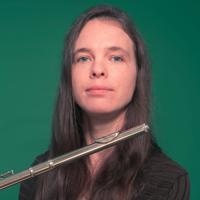
Hilary Davies
Hilary Davies is a Health and Care Professions Council-registered Music Therapist, specialising in music therapy with autistic people.
Attend this course for as little as £22 as part of the Voice Professional Training CPD Award Scheme.
Learn MoreSorry, this is an archived short course...
We have plenty of upcoming short courses coming soon. See details of some of them below or look at the full list of short courses.

Tuesday 27th October 2026
5:00 PM - 7:00 PM
(London Time)
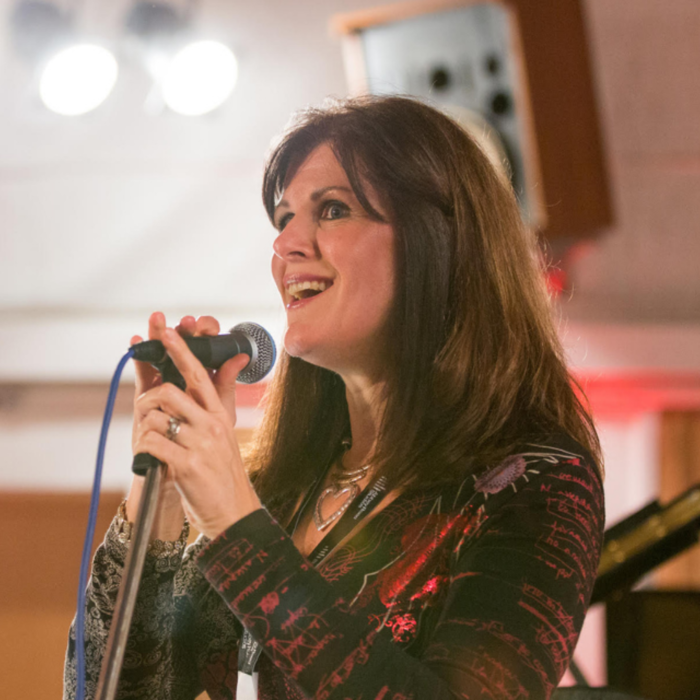
Pop Pedagogy - an Overview

Kim Chandler
Some successful pop stars are celebrating career lengths of over sixty years, having been around since the 1950s when pop music emerged and diversified from jazz, so pop singing has been in existence sufficiently long now that, for teaching purposes, we can observe and analyse what type of approach serves it best.
Friday 30th October 2026
3:00 PM - 5:00 PM
(London Time)
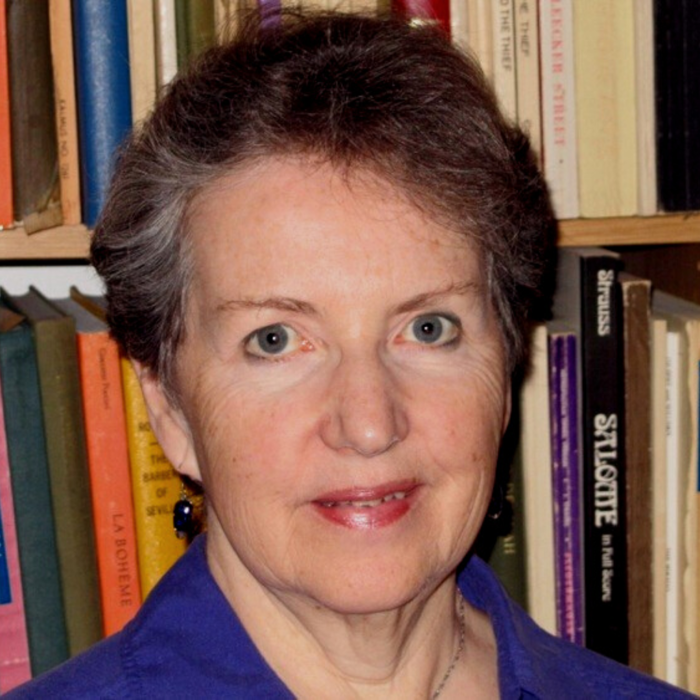
Feldenkrais Method® - its application in speech and song!

Marina Gilman
The Feldenkrais Method® is a form of somatic education that uses gentle movement and directed attention to improve physical and mental functioning, including singing and speaking. Since we are not always aware of the source of tension or discoordination, it is difficult to make the necessary adjustments to ensure optimal use of the voice!

Monday 2nd November 2026
5:00 PM - 7:00 PM
Tuesday 3rd November 2026
5:00 PM - 7:00 PM
(London Time)
The Vocal Health Challenges for Actors and Singers!

Leda Scearce
Two part course! Vocal health principles are inextricably and symbiotically linked with singing and acting voice pedagogy: Good vocal health allows the singer and actor to more easily and effectively achieve their technical and artistic goals, and good teaching reinforces vocal technique that diminishes the risk of vocal injury. We now also recognize the necessity for singers and actors to understand how their instruments work, how to take care of their voices, and what to do when something goes wrong. Singing and acting teachers are indeed on the front lines of vocal health!