Acceptance and Commitment Training (ACT) for Music Performance Anxiety (MPA) (3-part course)
Monday 19th January 2026, 5:00 PM - 7:00 PM (London Time)
Tuesday 20th January 2026, 5:00 PM - 7:00 PM (London Time)
Wednesday 21st January 2026, 5:00 PM - 7:00 PM (London Time)
In this updated three-part course, you will learn how to detect symptoms of music performance anxiety (MPA) among your students/clients and whether those symptoms are problematic or not. You will also learn about Acceptance and Commitment Training (ACT), an evidence-based psychotherapy and coaching model that aims to promote mindfulness and acceptance of one’s MPA symptoms, while also enhancing performance skills by increasing actions consistent with a musician’s values.
ACT can be used in non-clinical settings by practitioners other than psychotherapists, and when applied non-clinically it is called Acceptance and Commitment Training or Coaching. Newer research suggests ACT coaching may be a promising intervention for treating MPA by singing teachers with no formal training or education in psychotherapy (Shaw, Juncos & Winter, 2020; Brussel, 2022; Kutsal, 2022; Mahony, Juncos & Winter, 2022; Paul, 2022; Ballard, 2023; Heasman-Cossins, 2023; Zenobi & Juncos, 2023). You will learn ACT techniques that are safe for use in non-clinical settings to help your students effectively manage their MPA.
Part 1: Defining and Detecting Problematic Levels of MPA
- MPA definition
- Detecting problematic levels of MPA using categories of MPA symptoms
- Understanding how problematic MPA develops and is maintained
Part 2: ACT Skills for Effectively Managing MPA & Increasing Artistic Presence
- Ethical issues in doing this work as a non-clinical ACT practitioner
- Mindfulness
- Acceptance
- Defusion
Part 3: ACT Skills for Taking MPA Less Personally & Enhancing Overall Performances
- Cultivating a More Flexible Sense of Self & Musician Identity
- Identifying One’s Performance or Practice Values
- Committed Action
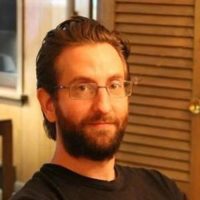
Dr David Juncos
David Juncos, PsyD, is a clinical psychologist, lecturer, performance coach, author, and music performance researcher based in Philadelphia, PA. He has 20 years of experience in treating a variety of clinical problems, including anxiety, mood, and substance use disorders.
Sorry, this is an archived short course...
We have plenty of upcoming short courses coming soon. See details of some of them below or look at the full list of short courses.

Wednesday 4th March 2026
1:00 PM - 2:00 PM
Wednesday 11th March 2026
1:00 PM - 2:00 PM
Wednesday 18th March 2026
1:00 PM - 2:00 PM
Wednesday 25th March 2026
1:00 PM - 2:00 PM
Wednesday 1st April 2026
1:00 PM - 2:00 PM
Wednesday 8th April 2026
1:00 PM - 2:00 PM
(London Time)
Learn to Coach RP and SSBE – a Certificate in Accent Coaching

Louisa Morgan
This six-week course is an opportunity to learn about both Received Pronunciation and Standard Southern British English. Rather than a course in learning how to speak RP/SSBE (there are many brilliant available courses for this already), this course is about learning how to coach it.

Tuesday 7th April 2026
5:00 PM - 7:00 PM
(London Time)
Leaning Into Discomfort: Supporting Regulation and Resilience in Voice Care

Dr Carol Krusemark
Working with the singing body and nervous system, whether in teaching, coaching, therapy, or performance, often means navigating moments of stress, vulnerability, and uncertainty. In these moments, both teachers and clients can find themselves operating from a heightened autonomic stress response that affects communication, learning, and vocal function. Join Dr Carol Krusemark as she explores how an understanding of the autonomic nervous system can inform more effective and compassionate voice work!

Thursday 9th April 2026
1:00 PM - 2:30 PM
Thursday 16th April 2026
1:00 PM - 2:30 PM
Thursday 23rd April 2026
1:00 PM - 2:30 PM
Thursday 30th April 2026
1:00 PM - 2:30 PM
Thursday 7th May 2026
1:00 PM - 2:30 PM
(London Time)
Introduction to Postgraduate Academic Skills - Join Live!

Debbie Winter
Are you ready to elevate your academic journey? Hosted by our very own Debbie Winter, join our comprehensive Introduction to Academic Skills course, designed to equip you with essential tools and strategies for success in higher education. Perfect for bridging the gap between undergraduate and postgraduate study, this course offers a pathway to our full MA for students without an existing degree. We offer both live, interactive sessions and standalone, pre-recorded content.