Emerging and Developing Voice: Singing and Speech
Monday 12th January 2026, 2:00 PM - 4:00 PM (London Time)
During this short course we will consider the voice as we sing and as we speak. The acquisition of language is a very interesting journey from birth through old age. We will broach the topics of “lexical” which refers to learning words, and “semantic” which is how we use words in the context of language.
The development and changes in the oral and pharyngeal regions of the vocal tract is interesting. Magnetic resonance imaging measurements of the vocal tract for children at different ages shows when VT areas grow during childhood and youth year. It also shows sexual dimorphism between those assigned male at birth and those assigned female.
There is an order to the acquisition of various sounds, vowels, consonants, pacing, inflection, voiced and voiceless consonants throughout youngsters. We will look at this based on the English language. Throughout life we “remap” how we articulate different sounds due to variability of vibration, respiration, resonance, and the tongue’s pressure and flexibility. Dentition is an important factor in saying words and is more variable than we might think. It is understandable that sometimes, in the midst of growth and development, people may need help to formulate distinct sounds for vowels and consonants.
How does the singing voice influence the speaking voice? How does the speaking voice influence the singing voice? When is there a disparate relationship between the two? Can they help each other? Can one harm the other? How can we use them positively in the voice studio.
As each student comes into my studio, I instinctively first notice their voice as we greet one another. I notice the speed and volume they are talking, the range of their speaking, the suppleness or the lack thereof, and the energy they bring to these first moments.
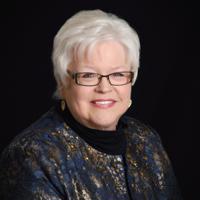
Karen Brunssen
Mezzo-soprano, Karen Brunssen is Professor and Co-chair of the Department of Music Performance at Bienen School of Music, Northwestern University.
Attend this course for as little as £22 as part of the Voice Professional Training CPD Award Scheme.
Learn MoreSorry, this is an archived short course...
We have plenty of upcoming short courses coming soon. See details of some of them below or look at the full list of short courses.

Wednesday 15th April 2026
5:00 PM - 7:00 PM
Thursday 16th April 2026
5:00 PM - 7:00 PM
(London Time)
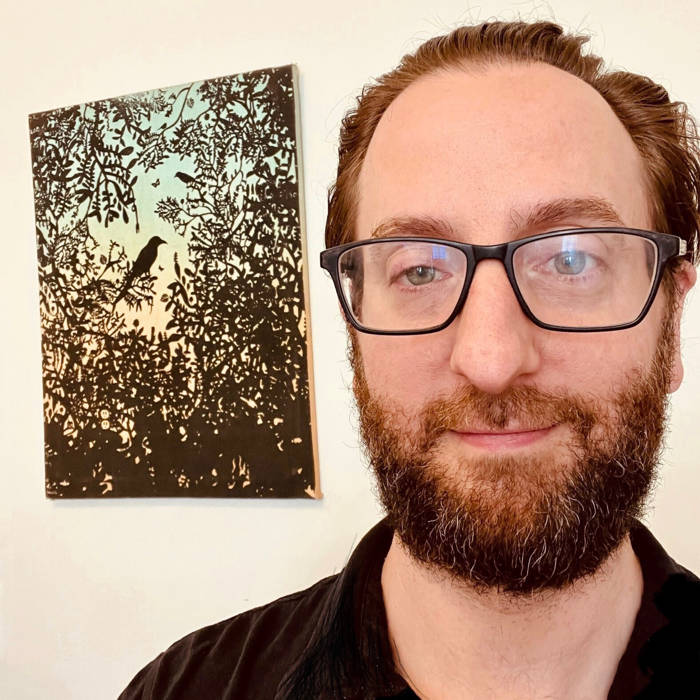
Mitigating Music Performance Anxiety (MPA) Within the Teaching Studio: Theories & Practical Strategies

Dr David Juncos
In recent years, an alternative model for treating MPA has shown great promise among practitioners - training music teachers to use interventions from evidence-based coaching models aimed to treat MPA, rather than continually referring students with MPA to receive psychotherapy like CBT.
Thursday 16th April 2026
5:00 PM - 7:00 PM
(London Time)
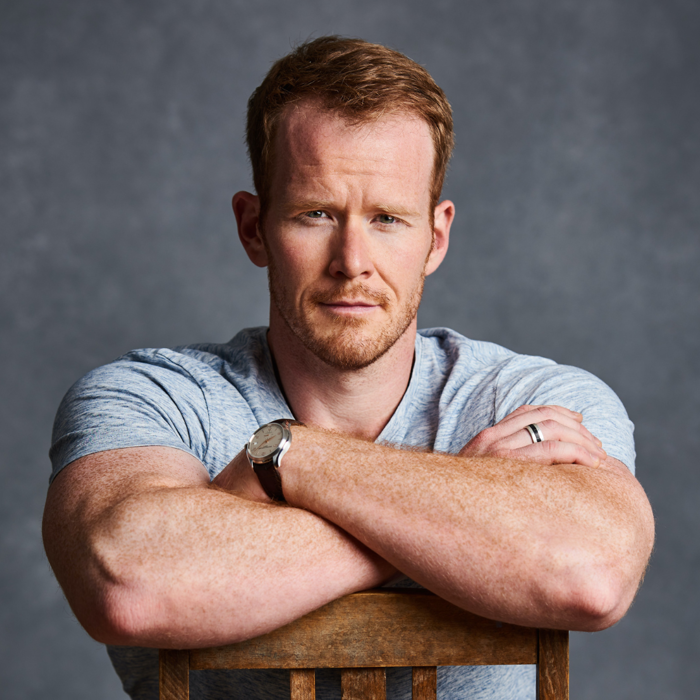
Nutrition and Exercise for Singers – The Missing Link in Vocal Health and Longevity

Duncan Rock
Discover the essential role that nutrition and exercise play in enhancing vocal health and ensuring a long-lasting singing career in our upcoming seminar, "Nutrition and Exercise for Singers – The Missing Link in Vocal Health and Longevity."

Monday 20th April 2026
12:00 PM - 1:30 PM
Tuesday 21st April 2026
12:00 PM - 1:30 PM
Wednesday 22nd April 2026
12:00 PM - 1:30 PM
Thursday 23rd April 2026
12:00 PM - 1:30 PM
(London Time)
Certificate in Acting Approaches for Singing Teachers

Louisa Morgan
Are you a singing teacher looking to elevate your students’ performance? This 4-part course is perfect for those who want to help their singers connect deeply with the character and the story behind the song. Many singing teachers have lots of brilliant ideas about coaching vocal performance but often don’t have a background in acting. Learning more about acting techniques can build structure into your performance-focused lessons and add depth to the song. Gain practical tools and techniques that you can apply to your teaching.