Establishing a Jazz Voice Curriculum
Tuesday 21st October 2025, 5:00 PM - 7:00 PM (London Time)
As the jazz voice major represents a relatively new program of comprehensive singing study in higher education it most often absorbs the course requirements of other related majors with which it is grouped. Does it belong in the jazz major with “voice” as the primary instrument, aligning with the curriculum and graduation criteria that are the same as those of instrumental jazz majors? Or should it align more with the department of voice, although it represents a non-classical genre? Or perhaps it fits best in a generalized commercial music major alongside rock, folk, gospel, metal, hip-hop, R&B, alternative, and popular styles?
Since there are many ways today’s institutions of higher learning have structured programs for jazz singers, this discussion is important for advancing this program of study while meeting the genuine needs of enrolled students. This course will reach across a multitude of program requirements in three academic contexts: grouping jazz singers with jazz instrumental majors; grouping jazz singers with voice majors; and grouping jazz singers with commercial music majors. The merits and challenges of each context will be examined and core curricular work integral to the jazz singer (regardless of academic context), as well as electives, will be recommended. These considerations yield important ramifications and a wide spectrum of variation depending on whether the student is instructed at an institution that views and categorizes jazz voice as an extension of the jazz program, the voice program, or the commercial music program. This course seeks to unify the core curricular requirements for jazz voice majors across all three academic contexts in order to better meet their needs.
Dr. Tish Oney tackles this topic with the authority of one who has pioneered the way for student jazz singers while teaching in jazz departments, classical voice departments, and commercial music departments. Dr. Oney presents a curriculum model that is adaptable to many structures of organization of the jazz voice major within schools of music, conservatories, classical voice departments, commercial voice departments, jazz departments, liberal arts programs having a jazz voice concentration, and the like. She provides practical guidance for structuring (or restructuring) the curricular requirements for the jazz voice major in order to address the practical and academic needs of every working jazz singer.
🏷️ Price £30 (UK VAT inclusive)
🎥 Recording automatically sent to all who book (even if you cannot attend live)
▶️ Rewatch as many times as you like
📜 Certificate of attendance available
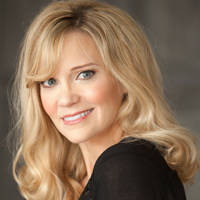
Dr Tish Oney
Dr. Tish Oney has sung as soloist with Detroit Symphony, Williamsburg Symphony, Symphoria, Aiken Symphony, Spartanburg Philharmonic, North Carolina Baroque Orchestra, Rome Festival Opera, U.S. Army Jazz Ambassadors, Army Blues, Army Voices, The Tish Oney Jazz Orchestra, and Greenville Chorale among other outstanding ensembles.
Attend this course for as little as £22 as part of the Voice Professional Training CPD Award Scheme.
Learn MoreSorry, this is an archived short course...
We have plenty of upcoming short courses coming soon. See details of some of them below or look at the full list of short courses.


Monday 19th October 2026
2:00 PM - 4:00 PM
Tuesday 20th October 2026
2:00 PM - 4:00 PM
(London Time)
Introduction to Vocal Acoustics for Spoken and Sung Voice

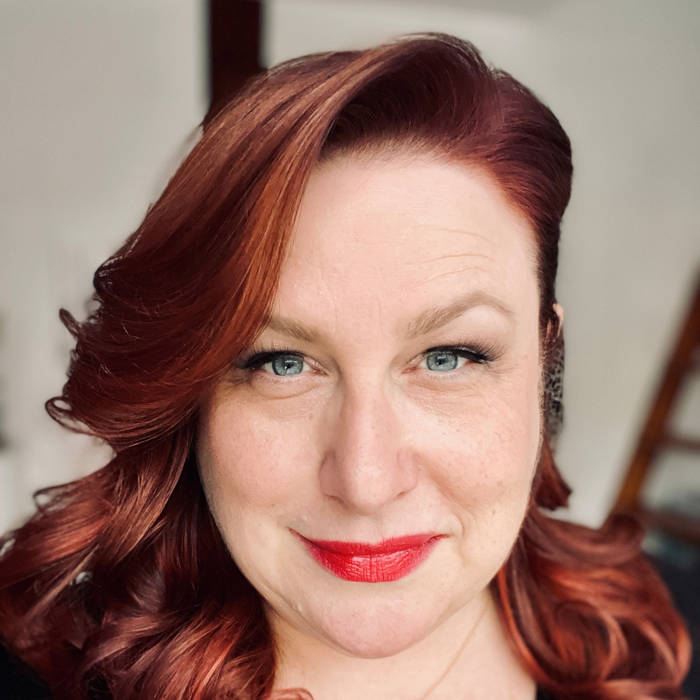
Gökçe Kutsal
This course is designed to break down the fundamentals of acoustics for both spoken and sung voice in a beginner-friendly, accessible way — so you can easily understand and apply these concepts to your teaching or research.
Tuesday 20th October 2026
5:00 PM - 7:00 PM
(London Time)
Practical Magic*: The Art & Science of Balancing Voices with SOVTs and VFEs

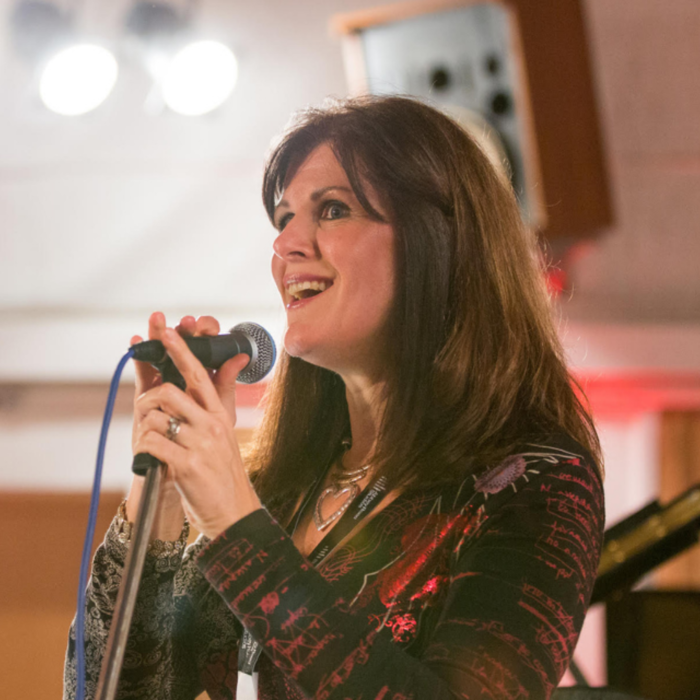
Melanie Tapson
Through live demonstrations, group practice, and peer coaching, you’ll learn how to teach SOVTs and VFEs with clarity and precision, integrate their principles to support vocal health, recovery, and stylistic flexibility and troubleshoot challenges and adapt exercises for individualized results.
Tuesday 27th October 2026
5:00 PM - 7:00 PM
(London Time)
Pop Pedagogy - an Overview

Kim Chandler
Some successful pop stars are celebrating career lengths of over sixty years, having been around since the 1950s when pop music emerged and diversified from jazz, so pop singing has been in existence sufficiently long now that, for teaching purposes, we can observe and analyse what type of approach serves it best.