It’s not a virus! Reconceptualizing and De-pathologizing Music Performance Anxiety
Thursday 19th February 2026, 8:30 AM - 10:30 AM (London Time)
Performance Anxiety is one of the most widespread and debilitating challenges facing musicians across all ages, nationalities and musical genres. It affects musicians both on and off the stage, impacting performance quality and enjoyment, health and wellbeing, relationships, identity and self-worth. At its most severe, performance anxiety can threaten, or even end, studies and careers. Despite decades of research and the development of numerous interventions, we do not yet have an established way of supporting performers experiencing performance anxiety.
Aimed at performers, teachers, researchers and students, this presentation will first summarise the current state of play in performance anxiety research, through discussing key issues including performance anxiety’s definition, assessment, impact and management. We will then explore alternative ways to think about performance anxiety, drawing on new research outside of performance psychology, my recent autoethnographic study exploring the intersection between my mindfulness and performance practices, and the much-loved children’s classic ‘We’re Going on a Bear Hunt’.
Lastly, we will discuss the theoretical and practical implications of de-pathologising and reconceptualising performance anxiety including strategies to support performers in the practice room and on stage. This session will provide insight into practical approaches for musicians experiencing performance anxiety based on empirical research.
🏷️ Price £30 (UK VAT inclusive)
🎥 Recording automatically sent to all who book (even if you cannot attend live)
▶️ Rewatch as many times as you like
📜 Certificate of attendance available

Rebecca Herman
After training as a cellist at the Royal Academy of Music, Rebecca Herman performed all over the world with ensembles including the Philharmonia, BBC Symphony Orchestra, the Academy of St Martin in the Fields, Britten Sinfonia, the Irish Chamber Orchestra, Aurora Orchestra, London Sinfonietta, and English National Opera. In 2017, Rebecca stopped performing due to debilitating stage fright and went back into education to find answers. After completing an MSc in Performance Science in 2018, Rebecca won an LAHP award to pursue doctoral research at the RCM’s Centre for Performance Science.
Attend this course for as little as £22 as part of the Voice Professional Training CPD Award Scheme.
Learn MoreSorry, this is an archived short course...
We have plenty of upcoming short courses coming soon. See details of some of them below or look at the full list of short courses.

Monday 19th October 2026
2:00 PM - 4:00 PM
Tuesday 20th October 2026
2:00 PM - 4:00 PM
(London Time)
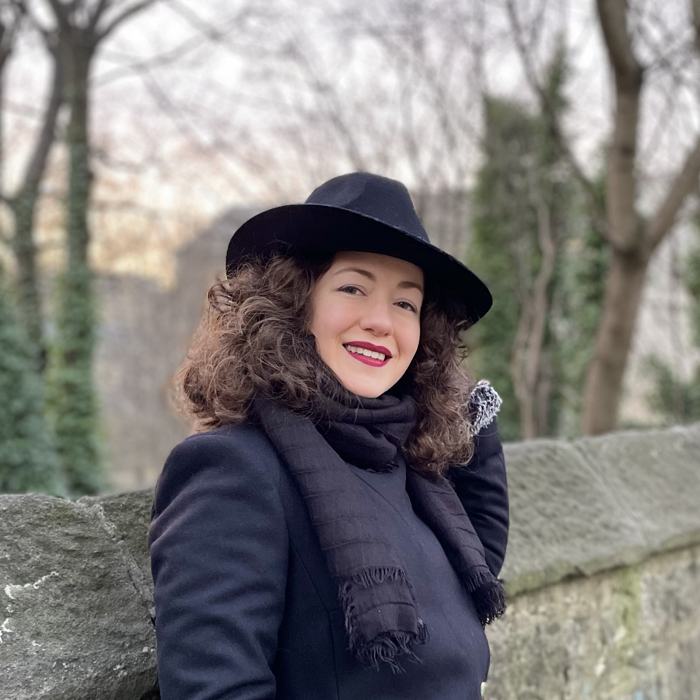
Introduction to Vocal Acoustics for Spoken and Sung Voice

Gökçe Kutsal
This course is designed to break down the fundamentals of acoustics for both spoken and sung voice in a beginner-friendly, accessible way — so you can easily understand and apply these concepts to your teaching or research.
Tuesday 20th October 2026
5:00 PM - 7:00 PM
(London Time)
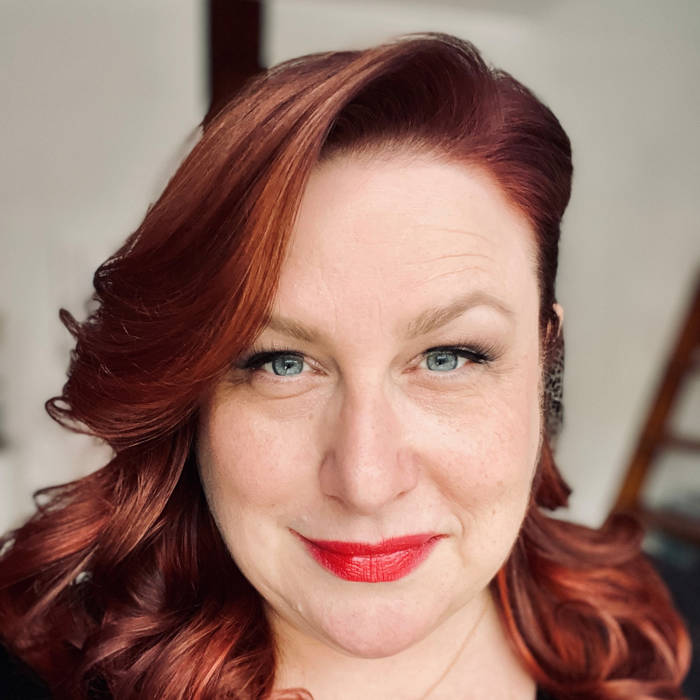
Practical Magic*: The Art & Science of Balancing Voices with SOVTs and VFEs

Melanie Tapson
Through live demonstrations, group practice, and peer coaching, you’ll learn how to teach SOVTs and VFEs with clarity and precision, integrate their principles to support vocal health, recovery, and stylistic flexibility and troubleshoot challenges and adapt exercises for individualized results.
Tuesday 27th October 2026
5:00 PM - 7:00 PM
(London Time)
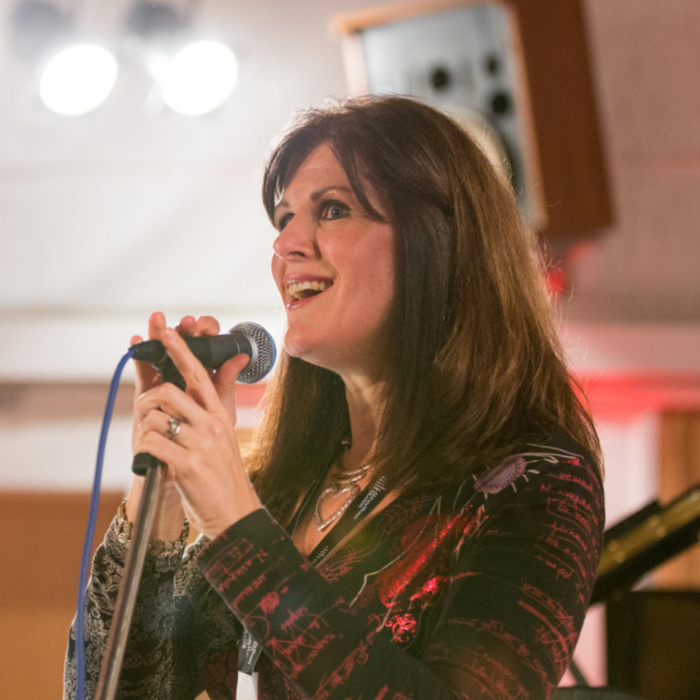
Pop Pedagogy - an Overview

Kim Chandler
Some successful pop stars are celebrating career lengths of over sixty years, having been around since the 1950s when pop music emerged and diversified from jazz, so pop singing has been in existence sufficiently long now that, for teaching purposes, we can observe and analyse what type of approach serves it best.