One More Time with Feeling; The Use of Emotion for Training Singers
Tuesday 1st September 2020, 5:00 PM - 6:00 PM (London Time)
How does emotion affect the voice, and can it be harnessed as a tool in Western classical vocal pedagogy? Eminent voice pedagogues do use emotion as a pedagogical tool and have described their experience of its usefulness anecdotally (Bozeman, 2013 and 2017; Chapman, 2007; Williams, 2019). Scientists have striven to measure emotionally produced acoustic changes in the voice; these changes can be heard and even accurately perceived by the listener (Scherer, 1986). Muscular changes occur with emotion (Scherer, 1986) in all three components of the vocal apparatus; breathing, vocal folds and vocal tract (Sundberg, 1987), and these changes affect voice acoustics (Laver, 1980). Research shows these emotional effects on vocal acoustics to be comparable in both the speaking and singing voice (Scherer, 2015). Scherer (1986) predicted these changes in his Component Patterning Model of Vocal Affect Expression and subsequent research has largely proven his model which predicts the acoustic result of an emotion based on physiological responses.
This 1 hour webinar will outline;
- Darwin’s phylogenic theory of emotional effect and his theory of the early origins of vocalised emotion.
- Historical use of emotion and its description in the early singing treatise.
- The emotions used anecdotally by pedagogues
- The work of Professor Klaus Scherer and his early predictions of the effect of emotion on voice acoustics based on; his own emotion model of physiological response and, the work of phonetician Professor John Laver who described the acoustic change for different muscular actions of the vocal apparatus. Scherer went on to ‘prove’ his predictions with his own and other scientists research on acoustics of vocalised emotion.
- Current research on the singing voice and the effect of emotion on acoustics; how does the research compare to the emotions used by pedagogues in the studio?
- Interesting correlations with vowel use and emotion.
- Possible ways to elicit emotion in voice teaching; tips from the scientists.
- Kate will present a diagram she has compiled based on a two dimensional model of emotion with the results of the latest acoustic data, the emotions studied, as well as the emotions used anecdotally by pedagogues.

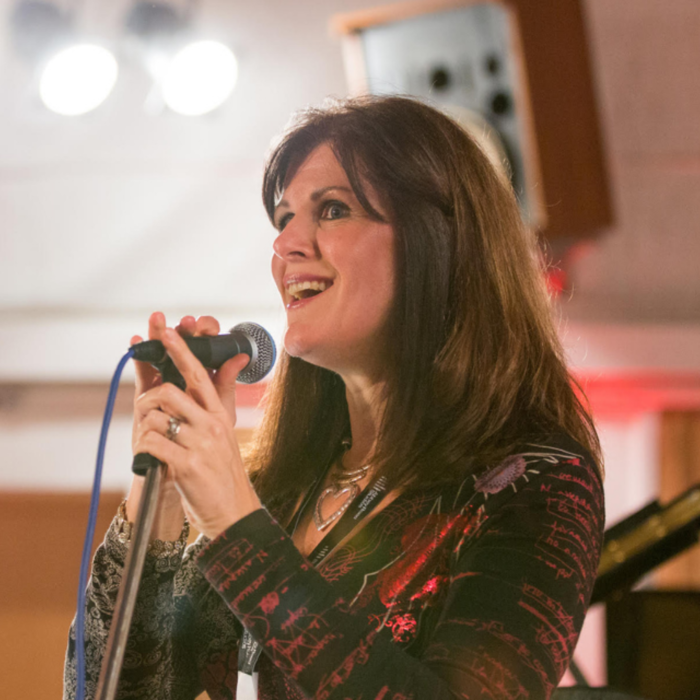
Katrina Sheppeard
Katrina Sheppeard is one of the UK’s most exciting up and coming dramatic sopranos. Since moving from Australia to London in 2008...
Sorry, this is an archived short course...
We have plenty of upcoming short courses coming soon. See details of some of them below or look at the full list of short courses.

Tuesday 27th October 2026
5:00 PM - 7:00 PM
(London Time)
Pop Pedagogy - an Overview

Kim Chandler
Some successful pop stars are celebrating career lengths of over sixty years, having been around since the 1950s when pop music emerged and diversified from jazz, so pop singing has been in existence sufficiently long now that, for teaching purposes, we can observe and analyse what type of approach serves it best.

Friday 30th October 2026
3:00 PM - 5:00 PM
(London Time)
Feldenkrais Method® - its application in speech and song!

Marina Gilman
The Feldenkrais Method® is a form of somatic education that uses gentle movement and directed attention to improve physical and mental functioning, including singing and speaking. Since we are not always aware of the source of tension or discoordination, it is difficult to make the necessary adjustments to ensure optimal use of the voice!

Monday 2nd November 2026
5:00 PM - 7:00 PM
Tuesday 3rd November 2026
5:00 PM - 7:00 PM
(London Time)
The Vocal Health Challenges for Actors and Singers!

Leda Scearce
Two part course! Vocal health principles are inextricably and symbiotically linked with singing and acting voice pedagogy: Good vocal health allows the singer and actor to more easily and effectively achieve their technical and artistic goals, and good teaching reinforces vocal technique that diminishes the risk of vocal injury. We now also recognize the necessity for singers and actors to understand how their instruments work, how to take care of their voices, and what to do when something goes wrong. Singing and acting teachers are indeed on the front lines of vocal health!