Exploring Group-Voice for all Ages and Stages!
Tuesday 26th May 2026, 5:00 PM - 7:00 PM (London Time)
Teaching group-voice classes is an exciting and fun way to teach singing. It affords the singer and teacher opportunities to experience many different aspects of singing in ways that are not possible when working one-one. There are many benefits gained from working in a group, such as opportunities for each student to participate and hear others, chances to experiment with different techniques, styles, and sounds, guided learning from peers, increased awareness of vocal efficiency and effectiveness, and more confidence (and less self-consciousness) in sharing and performing.
“Sing first, talk later” is an approach that encourages interaction from the first class, unlike
a standard lecture format. In this short course, Cynthia Vaughn will share successful strategies to help the teacher plan, prepare, and organize group-voice classes. She recommends using the limited and valuable in-person class time for singing and practical application of the outside-of-class assignments and practice. You cannot learn to sing by reading about singing or watching videos. You learn to sing by singing! What is the ideal class size? How can you add group-voice classes to your current one-one teaching studio to increase your income? How is group-voice different than choir? How is group-voice different than a master class format? How do you get shy singers to participate? How do you ensure that every singer is included and everyone sings every class? How you structure your group-voice classes will vary depending on the participants. Are you teaching general education college students, instrumental music majors, actors and theater students, community choral singers, children, or older adults? You can create custom group-voice classes for any type of singer.
Join Cynthia Vaughn for this fast-paced informative and interactive short-course with time for QA. Come prepared to learn and to SING!
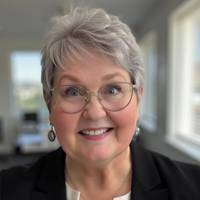
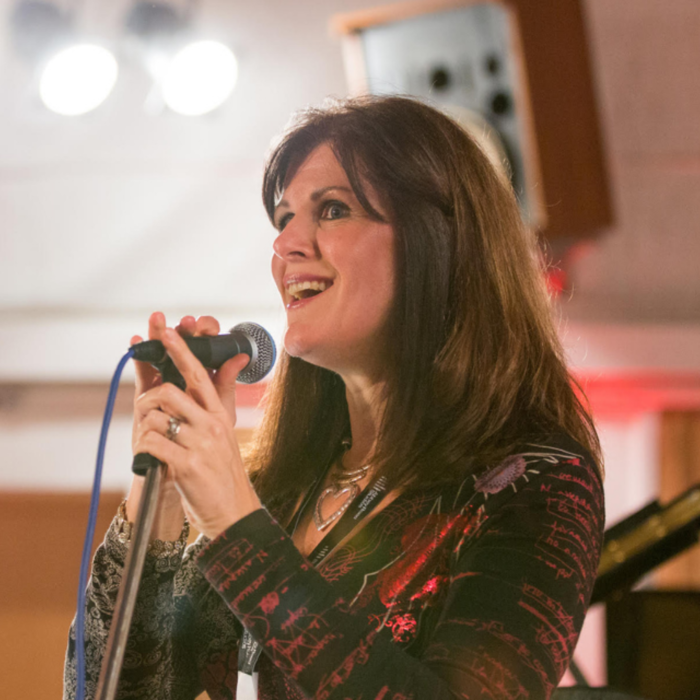
Cynthia Vaughn
Cynthia Vaughn is a respected teacher/clinician, author, and performer with over forty years of experience, currently based in Norfolk, Virginia, USA. She has created and taught group-voice classes for university, community, and church singers. Vaughn is the co-author (with the late Meribeth Dayme) of The Singing Book, a leading group-voice textbook and song anthology for university group-voice classes, independent studio group-voice, and beginning adult singers.
Attend this course for as little as £22 as part of the Voice Professional Training CPD Award Scheme.
Learn MoreSorry, this is an archived short course...
We have plenty of upcoming short courses coming soon. See details of some of them below or look at the full list of short courses.

Monday 19th October 2026
2:00 PM - 4:00 PM
Tuesday 20th October 2026
2:00 PM - 4:00 PM
(London Time)
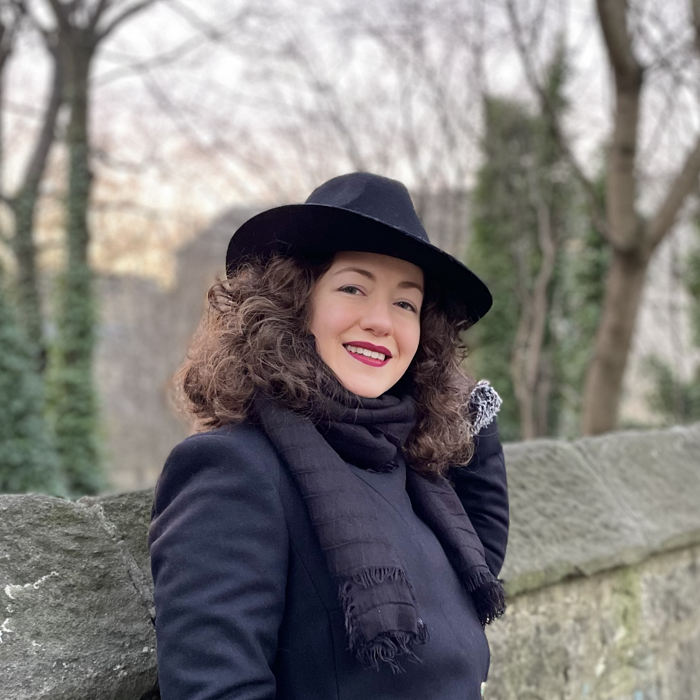
Introduction to Vocal Acoustics for Spoken and Sung Voice

Gökçe Kutsal
This course is designed to break down the fundamentals of acoustics for both spoken and sung voice in a beginner-friendly, accessible way — so you can easily understand and apply these concepts to your teaching or research.
Tuesday 20th October 2026
5:00 PM - 7:00 PM
(London Time)
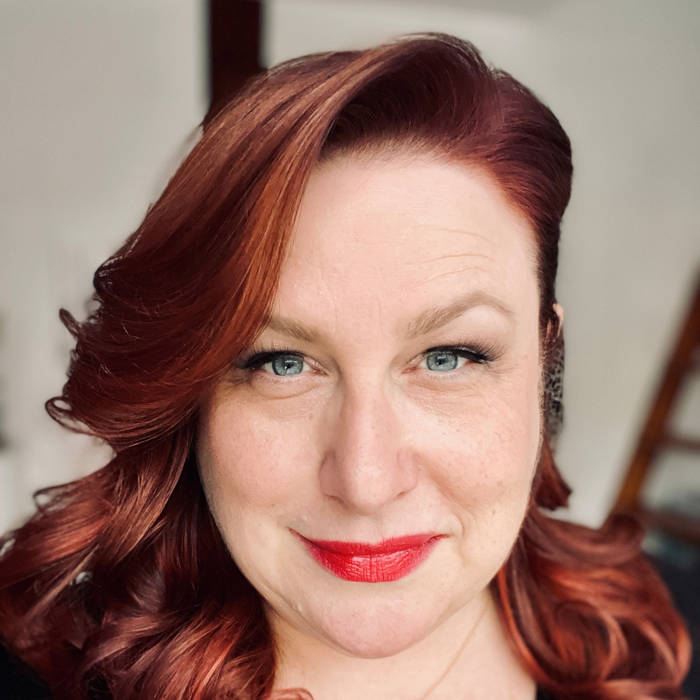
Practical Magic*: The Art & Science of Balancing Voices with SOVTs and VFEs

Melanie Tapson
Through live demonstrations, group practice, and peer coaching, you’ll learn how to teach SOVTs and VFEs with clarity and precision, integrate their principles to support vocal health, recovery, and stylistic flexibility and troubleshoot challenges and adapt exercises for individualized results.
Tuesday 27th October 2026
5:00 PM - 7:00 PM
(London Time)
Pop Pedagogy - an Overview

Kim Chandler
Some successful pop stars are celebrating career lengths of over sixty years, having been around since the 1950s when pop music emerged and diversified from jazz, so pop singing has been in existence sufficiently long now that, for teaching purposes, we can observe and analyse what type of approach serves it best.