The Science Underlying Semi-Occluded Vocal Tract Exercises (SOVT)
Tuesday 16th September 2025, 5:00 PM - 7:00 PM (London Time)
Semi-occluded vocal tract exercises have a long history. Humans and animals have discovered that aerodynamic and acoustic pressures above the larynx can position the vocal folds for better self-sustained oscillation.
Two variables are most important, (1) the steady pressure produced behind the semi-occlusion (usually the lips) and (2) the amount of acoustic inertance produced in the supraglottal airway.
In this course, Dr Ingo Titze and Karin Titze Cox will be exploring this topic in deph and it's relevance to vocal pedagogy.
This workshop will introduce the first book dedicated to Semi-Occluded Vocal Tract methods: Voice is FREE after SOVT. The information presented from the book is inclusive with scientific explanation and application for singer, teacher and therapist alike. The presentation will review the evolution of these methods and is based on a great deal of current peer reviewed literature in the area of voice.
Ingo and Karin will introduce visual examples, diagrams, tables and video links for reference. This should appeal to the scientist at heart searching for why their methods in vocal performance or as successful teachers, coaches or voice therapists work. Singers, teachers, coaches, ENTs, speech pathologists, research scientists and vocologists will be introduced to the comprehensive work, the history and current work being developed to help their clientele and patients even further. This can help trainers, performers and healers as it is heavily referenced with the development of voice science principles. These principles relate to all methods that use semi-occluded vocal tract exercises including the popular method of Straw Phonation popularized and developed extensively by both authors.
A framework for evaluation and training will be introduced to incorporate principles into their own style of teaching and training and translate difficult scientific principles to others.
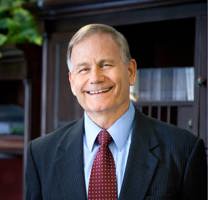
Dr Ingo Titze
Dr Ingo Titze, educated as a physicist (Ph.D.) and engineer (M.S.E.E.), has applied his scientific knowledge to a lifelong love of clinical voice and vocal music. He has written over 500 publications and six books in voice production. He is currently Senior Scientist at the University of Utah Center for Vocology and Chairman of the Board of the National Center for Voice and Speech.
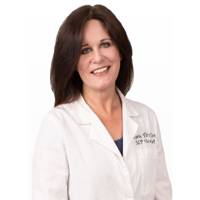
Karin Titze Cox
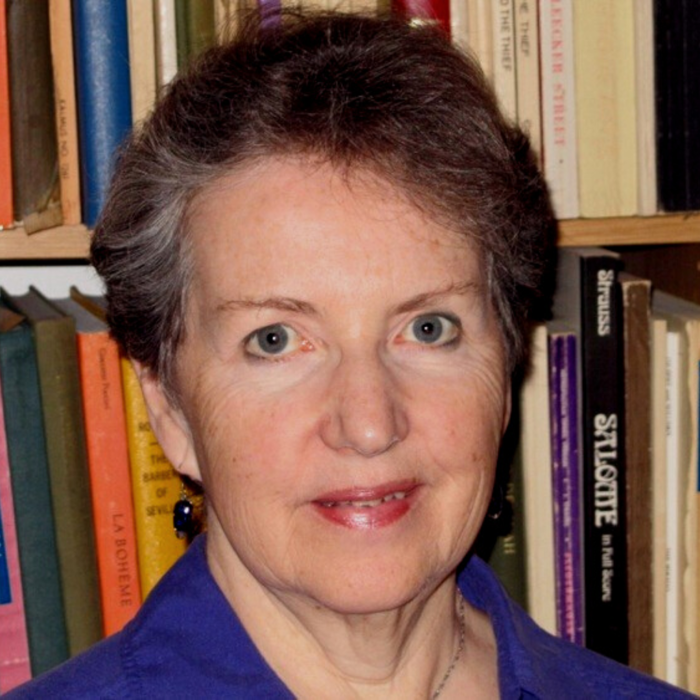
Karin Titze Cox is a certified Speech Language Pathologist (SLP-CCC) specializing in vocology, the science and practice of voice habilitation. She received her BA degree from Brigham Young University and her MA from the University of Iowa. She spent her early career in research and practicing in university hospital clinics.
Attend this course for as little as £22 as part of the Voice Professional Training CPD Award Scheme.
Learn MoreSorry, this is an archived short course...
We have plenty of upcoming short courses coming soon. See details of some of them below or look at the full list of short courses.

Tuesday 27th October 2026
5:00 PM - 7:00 PM
(London Time)
Pop Pedagogy - an Overview

Kim Chandler
Some successful pop stars are celebrating career lengths of over sixty years, having been around since the 1950s when pop music emerged and diversified from jazz, so pop singing has been in existence sufficiently long now that, for teaching purposes, we can observe and analyse what type of approach serves it best.
Friday 30th October 2026
3:00 PM - 5:00 PM
(London Time)
Feldenkrais Method® - its application in speech and song!

Marina Gilman
The Feldenkrais Method® is a form of somatic education that uses gentle movement and directed attention to improve physical and mental functioning, including singing and speaking. Since we are not always aware of the source of tension or discoordination, it is difficult to make the necessary adjustments to ensure optimal use of the voice!

Monday 2nd November 2026
5:00 PM - 7:00 PM
Tuesday 3rd November 2026
5:00 PM - 7:00 PM
(London Time)
The Vocal Health Challenges for Actors and Singers!

Leda Scearce
Two part course! Vocal health principles are inextricably and symbiotically linked with singing and acting voice pedagogy: Good vocal health allows the singer and actor to more easily and effectively achieve their technical and artistic goals, and good teaching reinforces vocal technique that diminishes the risk of vocal injury. We now also recognize the necessity for singers and actors to understand how their instruments work, how to take care of their voices, and what to do when something goes wrong. Singing and acting teachers are indeed on the front lines of vocal health!