Thinking Outside the Voice Box: Adolescent Female Voice Change
Monday 6th October 2025, 2:00 PM - 4:00 PM (London Time)
The purpose of this course is to bring attention to adolescents who experience an estrogen-dominant voice change and to encourage new and holistic ways of thinking about [assigned at birth] female voices. While considering physical changes during adolescence, we will unpack basic vocal anatomy and physiology and then discuss what happens to the vocal mechanism during voice change for females vs. [assigned at birth] males. Physiological considerations will also include the implication of hormones on the adolescent female voice during puberty, especially as adolescence is when females [typically] begin a menstrual cycle. While time will prevent us from going too far beyond discussion of adolescent females, we will briefly contemplate the larger implication of hormones on voices of people who experience a menstrual cycle at different stages of life and what that means for those of us teaching female voices across the life cycle. We will consider historical misconceptions about the female changing voice and briefly examine voice classification systems and other foundational ideas in choral music education. Importantly, we will explore more recent research on adolescent female voices that provides new food for thought about working with our singers and talk about practical approaches that support female adolescent singers in multifaceted ways.
🏷️ Price £30 (UK VAT inclusive)
🎥 Recording automatically sent to all who book (even if you cannot attend live)
▶️ Rewatch as many times as you like
📜 Certificate of attendance available
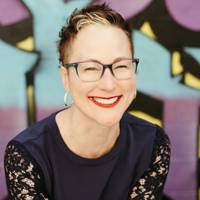
Dr Bridget Sweet-Manternach
Bridget Sweet-Manternach is Professor of Music Education at the University of Illinois Urbana-Champaign, Illinois. She wrote the books Growing Musicians: Teaching Music in Middle School and Beyond (2016) and Thinking Outside the Voice Box: Adolescent Voice Change in Music Education (2019); she co-edited the book Motherhood in the Music Education Academy (2025).
Attend this course for as little as £22 as part of the Voice Professional Training CPD Award Scheme.
Learn MoreSorry, this is an archived short course...
We have plenty of upcoming short courses coming soon. See details of some of them below or look at the full list of short courses.

Friday 30th October 2026
3:00 PM - 5:00 PM
(London Time)
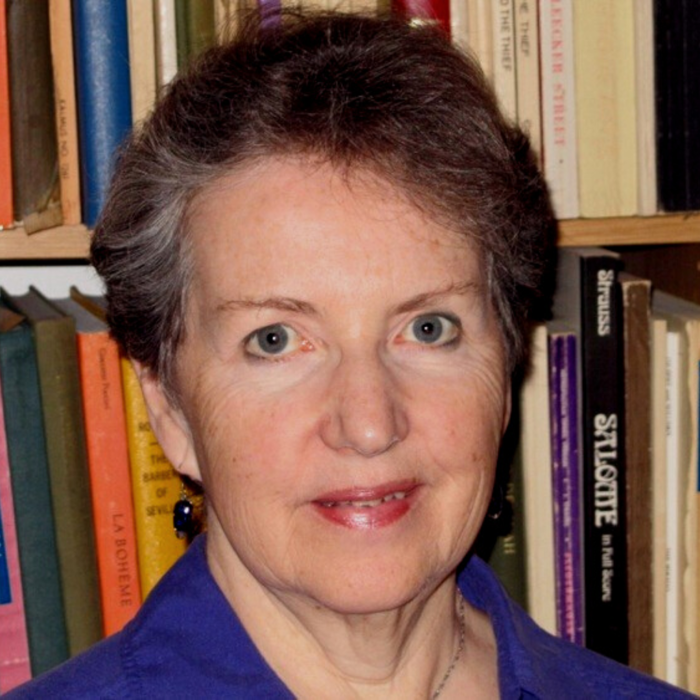
Feldenkrais Method® - its application in speech and song!

Marina Gilman
The Feldenkrais Method® is a form of somatic education that uses gentle movement and directed attention to improve physical and mental functioning, including singing and speaking. Since we are not always aware of the source of tension or discoordination, it is difficult to make the necessary adjustments to ensure optimal use of the voice!

Monday 2nd November 2026
5:00 PM - 7:00 PM
Tuesday 3rd November 2026
5:00 PM - 7:00 PM
(London Time)
The Vocal Health Challenges for Actors and Singers!

Leda Scearce
Two part course! Vocal health principles are inextricably and symbiotically linked with singing and acting voice pedagogy: Good vocal health allows the singer and actor to more easily and effectively achieve their technical and artistic goals, and good teaching reinforces vocal technique that diminishes the risk of vocal injury. We now also recognize the necessity for singers and actors to understand how their instruments work, how to take care of their voices, and what to do when something goes wrong. Singing and acting teachers are indeed on the front lines of vocal health!
Friday 6th November 2026
3:00 PM - 5:00 PM
(London Time)
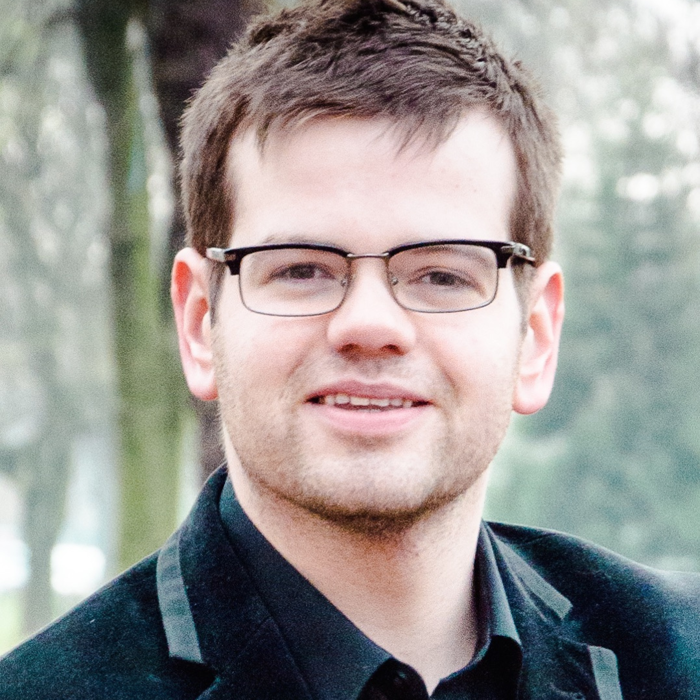
Neurodivergence and Critical Disability Theory

Dr David Cane
Hosted by our very own Dr David Cane, this two-hour session offers a timely and reflective opportunity to explore disability and neurodivergence within the voice teaching studio. Grounded in the field of critical disability studies, it will be of particular interest to voice professionals who wish to foster a more inclusive, reflexive and accessible practice.