Understanding the How and Why of Vocal Dosimetry in Musical Theatre and Contemporary Singing
Tuesday 21st April 2026, 5:00 PM - 7:00 PM (London Time)
Vocal dosimetry has emerged as an important tool for understanding the physiological demands placed on singers in contemporary musical theatre and commercial singing styles. This course explores the principles behind vocal dosimetry and how objective measurements of vocal use such as time dose, cycle dose, distance dose, and sound pressure level can help quantify the vocal load experienced by performers during rehearsals and performances.
Drawing on recent research conducted with Broadway and professional musical theatre performers, including dosimetry studies of productions such as Hamilton, Dear Evan Hansen, and Hadestown, among others, this course will examine how different roles impose varying vocal demands depending on musical tessitura, stylistic requirements, and performance intensity. Participants will learn how dosimetry devices function, how data are collected using throat mounted accelerometers, and how these measurements can be interpreted in clinical, pedagogical, and research contexts.
The session will also address how vocal load interacts with factors such as vocal technique, belting strategies, sound pressure level, and cumulative vocal exposure during rehearsal and performance schedules. Through case studies and phonation density graphs, attendees will gain insight into how vocal dose can vary between performers singing the same role and how vocal intensity may significantly influence overall distance dose.
Ultimately, the course aims to provide voice professionals, clinicians, and pedagogues with practical knowledge about the role of dosimetry and how it can support vocal health, inform training decisions, and contribute to the development of evidence based guidelines for sustainable vocal performance in musical theatre.
🏷️ Price £30 (UK VAT inclusive)
🎥 Recording automatically sent to all who book (even if you cannot attend live)
▶️ Rewatch as many times as you like
📜 Certificate of attendance available
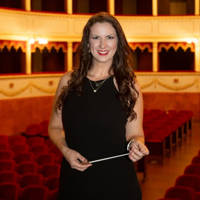
Dr Ana Flavia Zuim
Dr. Ana Flavia Zuim is a voice scientist and musical director whose research in vocal dosimetry has earned recognition from CBS and awards including the Van L. Lawrence Fellowship and the NYU Steinhardt Fellowship. With experience directing and performing in over 70 musical theater productions, she has been recognized for her work as a pianist, conductor, and musical director.Her research bridges the art and science of voice, informing both performance practice and clinical applications. This expertise has also made her a sought-after expert witness in forensic voice analysis.
Attend this course for as little as £22 as part of the Voice Professional Training CPD Award Scheme.
Learn MoreSorry, this is an archived short course...
We have plenty of upcoming short courses coming soon. See details of some of them below or look at the full list of short courses.

Monday 19th October 2026
2:00 PM - 4:00 PM
Tuesday 20th October 2026
2:00 PM - 4:00 PM
(London Time)
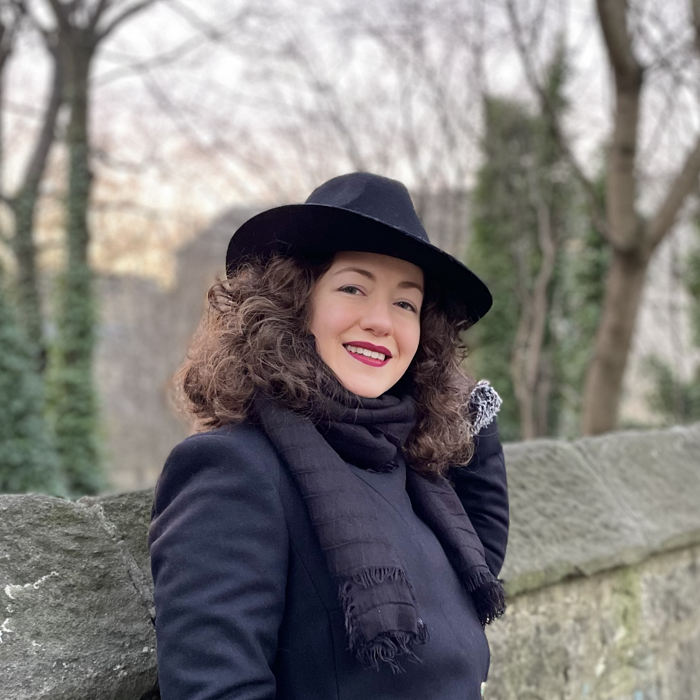
Introduction to Vocal Acoustics for Spoken and Sung Voice

Gökçe Kutsal
This course is designed to break down the fundamentals of acoustics for both spoken and sung voice in a beginner-friendly, accessible way — so you can easily understand and apply these concepts to your teaching or research.
Tuesday 20th October 2026
5:00 PM - 7:00 PM
(London Time)
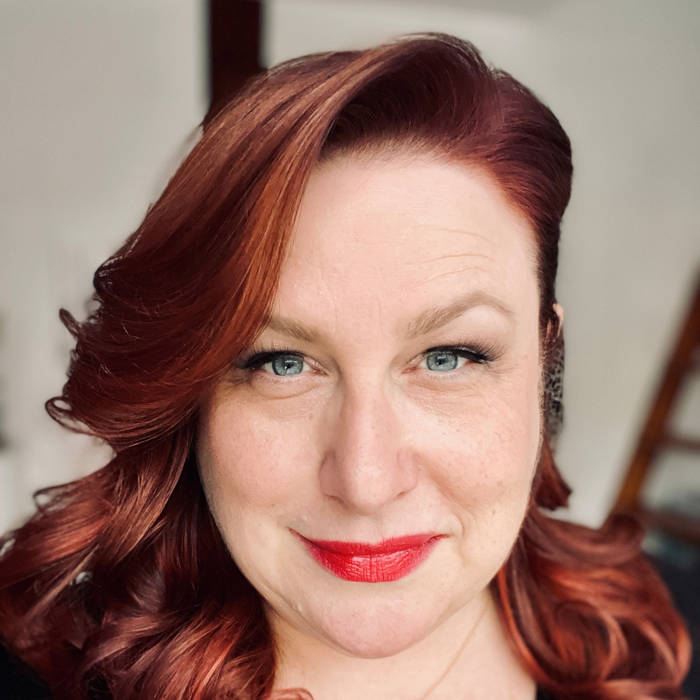
Practical Magic*: The Art & Science of Balancing Voices with SOVTs and VFEs

Melanie Tapson
Through live demonstrations, group practice, and peer coaching, you’ll learn how to teach SOVTs and VFEs with clarity and precision, integrate their principles to support vocal health, recovery, and stylistic flexibility and troubleshoot challenges and adapt exercises for individualized results.
Tuesday 27th October 2026
5:00 PM - 7:00 PM
(London Time)
Pop Pedagogy - an Overview

Kim Chandler
Some successful pop stars are celebrating career lengths of over sixty years, having been around since the 1950s when pop music emerged and diversified from jazz, so pop singing has been in existence sufficiently long now that, for teaching purposes, we can observe and analyse what type of approach serves it best.