Voice and Emotion in Speech and Song!
Monday 19th January 2026, 2:00 PM - 4:00 PM (London Time)
Emotion is performance. Did you know that ancient Romans didn’t smile when they were happy, and that smiling was an invention of the Middle Ages? Broad, toothy-mouthed smiles, known as the Duchenne smile, became popular as recent as the eighteenth century as dentistry became more accessible and affordable (Feldman Barrett, 2017, p51). Emotion is an exchange between a performer and an audience, even when we are not on a stage.
Discover how we use our voices to communicate emotion, both through verbal content and nonverbal vocal cues like tone of voice, volume, and prosody.
While there has been a significant amount of research conducted into how speakers use emotion in the voice and how listeners perceive it, how this relates to performance is a relatively new field of research (even if we have been talking about it as practitioners for centuries!).
Join us for an exploratory session where we reflect on how speakers and singers encode their voices with emotion to communicate expressively. We'll delve into how emotion occurs in social contexts in the ‘real world’ and address emotional performance in both spoken and sung voice
🏷️ Price £30 (UK VAT inclusive)
🎥 Recording automatically sent to all who book (even if you cannot attend live)
▶️ Rewatch as many times as you like
📜 Certificate of attendance available

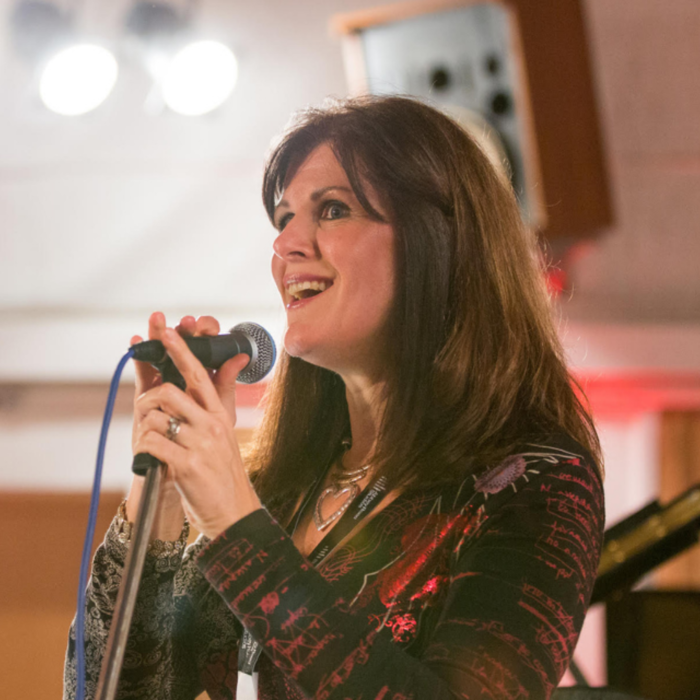
Louisa Morgan
Louisa Morgan is a lecturer, voice teacher and researcher, with a special focus on spoken and sung emotion. Louisa lectures with Voice Study Centre (spoken voice lead). Previously, Louisa taught technical singing for the MA/MFA Musical Theatre students at the Guilford School of Acting (GSA) and Italia Conti, and she was also a spoken and singing voice coach for the Acting students at the Cygnet Training Theatre.

Attend this course for as little as £22 as part of the Voice Professional Training CPD Award Scheme.
Learn MoreSorry, this is an archived short course...
We have plenty of upcoming short courses coming soon. See details of some of them below or look at the full list of short courses.


Monday 19th October 2026
2:00 PM - 4:00 PM
Tuesday 20th October 2026
2:00 PM - 4:00 PM
(London Time)
Introduction to Vocal Acoustics for Spoken and Sung Voice

Gökçe Kutsal
This course is designed to break down the fundamentals of acoustics for both spoken and sung voice in a beginner-friendly, accessible way — so you can easily understand and apply these concepts to your teaching or research.

Tuesday 20th October 2026
5:00 PM - 7:00 PM
(London Time)
Practical Magic*: The Art & Science of Balancing Voices with SOVTs and VFEs

Melanie Tapson
Through live demonstrations, group practice, and peer coaching, you’ll learn how to teach SOVTs and VFEs with clarity and precision, integrate their principles to support vocal health, recovery, and stylistic flexibility and troubleshoot challenges and adapt exercises for individualized results.
Tuesday 27th October 2026
5:00 PM - 7:00 PM
(London Time)
Pop Pedagogy - an Overview

Kim Chandler
Some successful pop stars are celebrating career lengths of over sixty years, having been around since the 1950s when pop music emerged and diversified from jazz, so pop singing has been in existence sufficiently long now that, for teaching purposes, we can observe and analyse what type of approach serves it best.