What Every Performer Should Know About Fascia
Thursday 7th August 2025, 5:00 PM - 7:00 PM (London Time)
Fascia is a form of connective tissue that has gone from being relatively unknown in the ‘lay’ world to being spoken about more frequently in recent years. However, many people are still unfamiliar with the specific nature of this tissue and its role in health, performance, and consciousness. Misunderstandings about fascia abound which can lead to inappropriate choices when it comes to treatment and self-care strategies. Fascia is an information superhighway in the body and is also a great teacher. When you understand the true nature of this tissue, then you can better decode the wisdom it offers.
As performers, much of our artistic expression is conveyed via non-verbal communication and fascia plays an important role in this. Therefore, taking care of your fascia is not only essential for health but will also enhance creative performance.
This short course will take you through some of the key ways that understanding fascia can optimize health and performance. Topics will include:
- Fascial Anatomy: The structure and function of this connective tissue
- Fascial Injury: How to discriminate between muscle and fascial damage
- Treatment Strategies: How to create specificity in self-care routines
- Communication: The role of fascia in human communication and performance
- Consciousness: The role of fascia as a conduit for creativity and consciousness
- Frequency and Vibration: How fascia responds to musical frequency and vocal tone
Fascia is the great communicator that mediates much of the interaction between audience and performer, so harmonizing this ‘instrument’ is key to enhanced performance skills. When you deepen your understanding of fascia, then you are truly taking a journey to the self which is a vital part of ensuring authenticity in performance.
🏷️ Price £30 (UK VAT inclusive)
🎥 Recording automatically sent to all who book (even if you cannot attend live)
▶️ Rewatch as many times as you like
📜 Certificate of attendance available
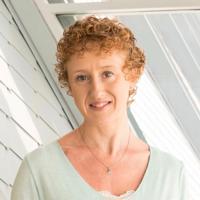
Jennie Morton
After a long performing career as a Ballet dancer, West End Musical Theatre performer, and lead singer of a London-based Big Band, Jennie is now an Osteopath specializing in Performing Arts Medicine. Now based in Los Angeles...
Attend this course for as little as £22 as part of the Voice Professional Training CPD Award Scheme.
Learn MoreSorry, this is an archived short course...
We have plenty of upcoming short courses coming soon. See details of some of them below or look at the full list of short courses.

Wednesday 4th March 2026
1:00 PM - 2:00 PM
Wednesday 11th March 2026
1:00 PM - 2:00 PM
Wednesday 18th March 2026
1:00 PM - 2:00 PM
Wednesday 25th March 2026
1:00 PM - 2:00 PM
Wednesday 1st April 2026
1:00 PM - 2:00 PM
Wednesday 8th April 2026
1:00 PM - 2:00 PM
(London Time)
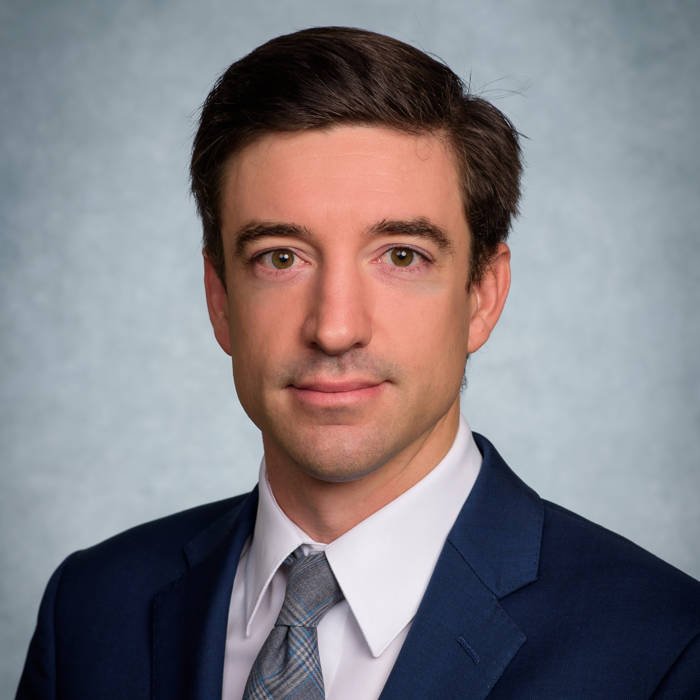
Learn to Coach RP and SSBE – a Certificate in Accent Coaching

Louisa Morgan
This six-week course is an opportunity to learn about both Received Pronunciation and Standard Southern British English. Rather than a course in learning how to speak RP/SSBE (there are many brilliant available courses for this already), this course is about learning how to coach it.

Wednesday 25th March 2026
5:00 PM - 7:00 PM
(London Time)
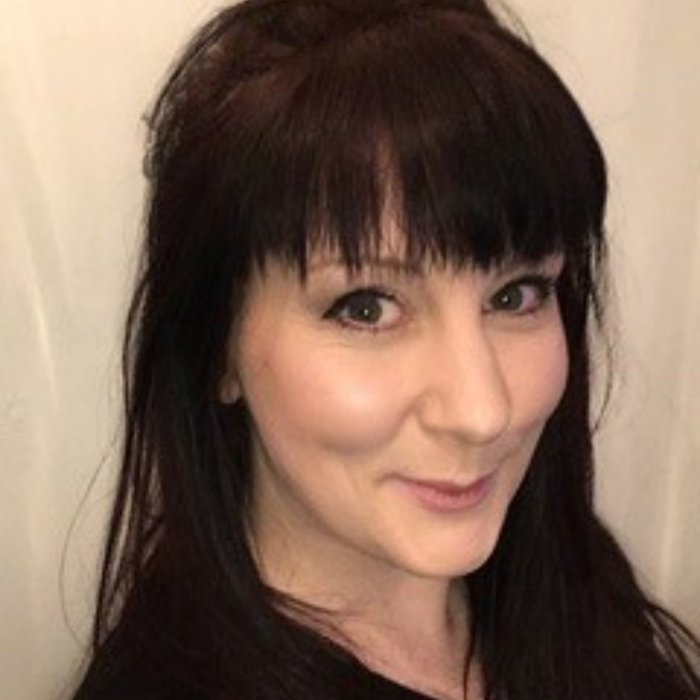
Mastering the Art of "Marking": Vocal Longevity for the Modern Singer

Jacob Wright
Don’t just save your voice—optimize it! Join Jacob Wright as he explores marking technique in singing, a vocal conservation strategy used by singers during rehearsals and extended performance periods. Marking involves singing at reduced vocal intensity, altered pitch, or modified vocal quality to preserve vocal health while maintaining musical and dramatic engagement. Participants will gain practical tools for implementing marking in their own practice, teaching, or clinical work, supported by current research and voice science principles!
Friday 27th March 2026
1:00 PM - 3:00 PM
(London Time)
Muscle Tension Dysphonia in the Singing Voice!

Dr Claire Thomas
A specialist course for singing teachers and voice professionals! Designed specifically for those working with singers, this in-depth course with Dr Claire Thomas explores Muscle Tension Dysphonia (MTD) through the lens of the singing voice - bridging clinical research and studio practice.