
honouring mentors, finding meaning
I first learned about the MA program at the Voice Study Centre through a Facebook group called Voice Geek Group. During the COVID-19 pandemic, I had been following the work of Ian Howell, Heidi Moss Erickson, and others in the field of voice science and pedagogy. In that group, I came across a spirited debate between Debbie Winter and Ian Howell about Dr. Julian Chen’s Transient Theory of Human Voice Production, following his online lecture on World Voice Day, April 16, 2023. That moment marked the beginning of my discovery of the Voice Study Centre.
I decided to enrol in the MA program after spending a formative week at Jonathan May’s St. Andrew’s Vocal Pedagogy summer intensive in 2023. There, I finally had the opportunity to meet and work with Heidi Moss Erickson, Kenneth and Joanne Bozeman, and Stephen W. Smith, author of The Naked Voice (2007). My first course at the Voice Study Centre that fall was Heidi Moss Erickson’s Applied Neuroscience and Voice. It bridged several gaps in my understanding—connections I had begun forming during a 2019 Certificate in Voice Science through ProVox, where I studied with Filipa Lã, Sten Ternström, and Johan Sundberg, among others.
I was grateful to receive 80 credits toward the MA for this prior certificate work.
With that head start, I embarked on a deeply personal journey to honour two of my most influential vocal mentors—both of whom passed away suddenly, one before I began my studies at VSC and one during the program.
My thesis became a labour of love, a way to make meaning from their teaching and lives—not only for myself, but hopefully for others as well.
It explores the idea of singing as a spiritual calling, a truth recognized by singers at the heights of the opera world and by those at every stage along the path.
My future goals are to train singers holistically, integrating the insights I’ve gained from this research. I am currently presenting my thesis findings at local voice conferences and plan to publish the study in hopes of inspiring further inquiry.
As an exploratory mixed methods study, my research suggests that internal motivation for singer-actors is initially sparked by self-efficacy, but that long-term careers in classical singing are closely tied to meaningful connection. In examining singers’ backgrounds, beliefs, and artistic visions, I found that worldview and spirituality often seeded and shaped their paths—aligning closely with their psychological motivations. Interestingly, biographical content analysis revealed that formal religious backgrounds became more common among classical singers toward the end of the 20th century, running counter to broader societal trends. This may be due to the fact that opera is no longer mainstream in North America, drawing to it those with deeper reservoirs of 'spiritual content' and purpose.
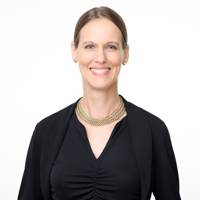
Angelina Van Dyke
Angelina Van Dyke is a solo artist in Vancouver, Canada with two recordings released in sacred classical and opera music.
Recent Posts

Blog
UK Students and SLC funding - recent changes!

Peter Thompson
Thursday 26th March 2026Undertaking a Master's degree brings with it a financial commitment, there's no doubt about that. But there are funding options that perhaps you're not aware of..
Read More...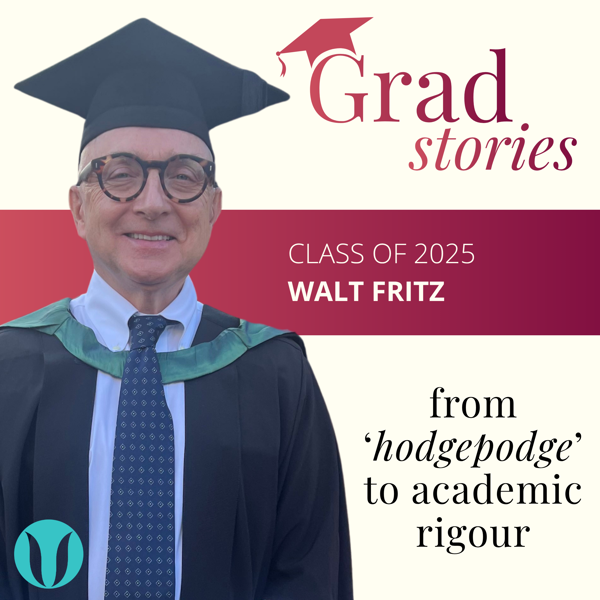
Blog
Grad Stories: Walt Fritz🎓

Walt Fritz
Wednesday 25th March 2026In this graduate story, Walt Fritz reflects on his MA journey, transforming his manual therapy teaching from a mix of techniques and experience into a more structured, evidence-based approach. His research not only shaped his practice but led to publication in a respected medical journal.
Read More...
Blog
The Musical Theatre Research Alliance: Building a Safeguarding Manifesto from Practice

Voice Study Centre
Tuesday 10th March 2026How can safeguarding in musical theatre be shaped by those working in the field? This blog introduces the Musical Theatre Research Alliance and its collaborative approach to practitioner-led research.
Read More...