Demystifying Research: Evaluating the Efficacy of the Feldenkrais Method®
Thursday 8th May 2025, 2:00 PM - 4:00 PM (London Time)
The Feldenkrais Method® belongs to a class of somatic methods often used in the voice studio to facilitate more efficient use of the body. In this age of ‘evidence-based practice’, it is important for the studio teacher/pedagogue/performer to be able to evaluate research claims. A basic understanding of research methods and biases inherent in the research process is necessary to properly evaluate their conclusions, especially if the research findings influence studio practice.
This course will explore some of the central principles of the Feldenkrais Method in terms of the science of the mid-20th century when they were developed as well as their validation based on contemporary advances in our understanding of neuroscience. Through the lens of modern neuroscience, we will examine a few peer-reviewed efficacy studies in the light the constraints of validity, reliability and objectivity.
Research methods may vary depending on the nature of the research or research question. In broad terms, research is either Quantitative, data statistically derived from experiments or surveys, or Qualitative, based on interviews, documents, or other human interactions. Most of the research involving efficacy of learning methods are quantitative. These types of studies are very effective when dealing with cause and effect such as in chemical interactions. However, when they involve human behaviour, such as in a study involving throwing a baseball, or somatic method such as Yoga or the Feldenkrais Method®, there are often too many variables to conclude reliable recuring outcomes. Validity and reliability depend on exact replication of results. Objectivity depends on neutral metrics, usually numerical values. Thus, many studies, as we shall see, claim that the methods studied are not as effective as claimed, because cause and effect is not easily measurable.
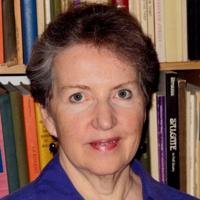
Marina Gilman
Marina Gilman holds a Bachelor of Science Degree from Indiana University, Master of Music degree from Ithaca College, and a Masters of Art in Communication Disorders...
Attend this course for as little as £22 as part of the Voice Professional Training CPD Award Scheme.
Learn MoreSorry, this is an archived short course...
We have plenty of upcoming short courses coming soon. See details of some of them below or look at the full list of short courses.


Monday 19th October 2026
2:00 PM - 4:00 PM
Tuesday 20th October 2026
2:00 PM - 4:00 PM
(London Time)
Introduction to Vocal Acoustics for Spoken and Sung Voice

Gökçe Kutsal
This course is designed to break down the fundamentals of acoustics for both spoken and sung voice in a beginner-friendly, accessible way — so you can easily understand and apply these concepts to your teaching or research.

Tuesday 20th October 2026
5:00 PM - 7:00 PM
(London Time)
Practical Magic*: The Art & Science of Balancing Voices with SOVTs and VFEs

Melanie Tapson
Through live demonstrations, group practice, and peer coaching, you’ll learn how to teach SOVTs and VFEs with clarity and precision, integrate their principles to support vocal health, recovery, and stylistic flexibility and troubleshoot challenges and adapt exercises for individualized results.
Tuesday 27th October 2026
5:00 PM - 7:00 PM
(London Time)
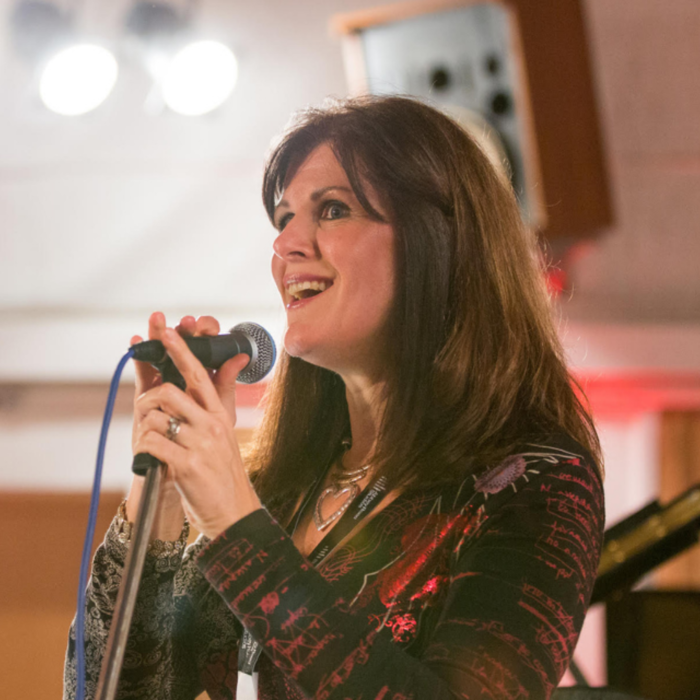
Pop Pedagogy - an Overview

Kim Chandler
Some successful pop stars are celebrating career lengths of over sixty years, having been around since the 1950s when pop music emerged and diversified from jazz, so pop singing has been in existence sufficiently long now that, for teaching purposes, we can observe and analyse what type of approach serves it best.