Leaning Into Discomfort: Supporting Regulation and Resilience in Voice Care
Tuesday 7th April 2026, 5:00 PM - 7:00 PM (London Time)
Working with the singing body and nervous system, whether in teaching, coaching, therapy, or performance, often means navigating moments of stress, vulnerability, and uncertainty. In these moments, both teachers and clients can find themselves operating from a heightened autonomic stress response that affects communication, learning, and vocal function.
This session explores how an understanding of the autonomic nervous system can inform more effective and compassionate voice work. Participants will learn practical strategies to support regulation and resilience in themselves and the singers, students, or clients they work with.
Through discussion and applied examples, we will explore grounding techniques across the senses, co-regulation in the teaching and clinical relationship, recognising personal stress responses, and developing supportive strategies such as SMART goal setting and mindset shifts around challenge. We will also consider the role of the wider musical environment and how professionals can advocate for healthier, more supportive learning and performance cultures.
Designed for voice teachers, coaches, singers, and students with an interest in voice care, this session combines evidence-informed concepts with practical tools that can be applied immediately in teaching, coaching, and clinical contexts.
🏷️ Price £30 (UK VAT inclusive)
🎥 Recording automatically sent to all who book (even if you cannot attend live)
▶️ Rewatch as many times as you like
📜 Certificate of attendance available
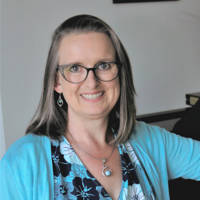
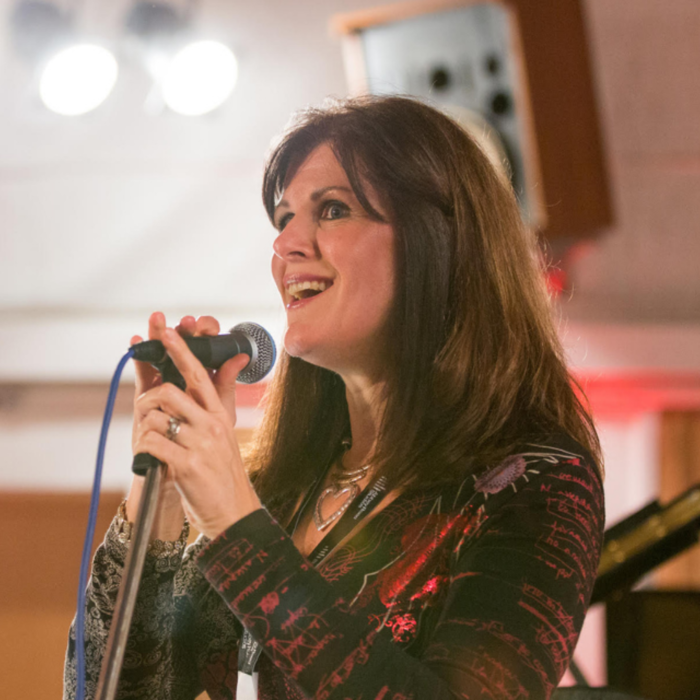
Dr Carol Krusemark
Carol Krusemark, SLPD, is a voice-specialized speech-language pathologist, singing voice rehabilitation specialist, and owner of Empower Vocal Wellness Speech Pathology, PLLC in Saratoga Springs, New York. She holds adjunct faculty appointments at Ithaca College, the MGH Institute of Health Professions, and St. Elizabeth’s University, where she teaches courses related to voice disorders and counseling in speech-language pathology practice.
Attend this course for as little as £22 as part of the Voice Professional Training CPD Award Scheme.
Learn MoreSorry, this is an archived short course...
We have plenty of upcoming short courses coming soon. See details of some of them below or look at the full list of short courses.

Monday 19th October 2026
2:00 PM - 4:00 PM
Tuesday 20th October 2026
2:00 PM - 4:00 PM
(London Time)
Introduction to Vocal Acoustics for Spoken and Sung Voice

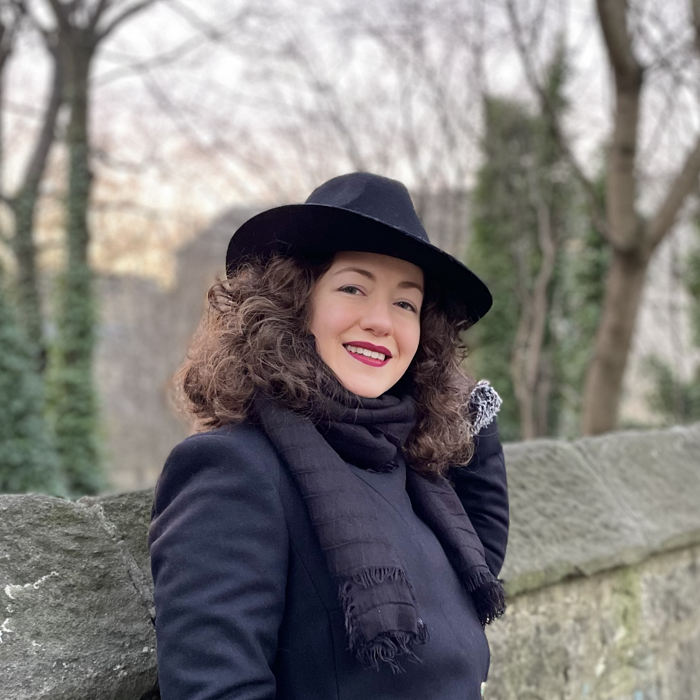
Gökçe Kutsal
This course is designed to break down the fundamentals of acoustics for both spoken and sung voice in a beginner-friendly, accessible way — so you can easily understand and apply these concepts to your teaching or research.
Tuesday 20th October 2026
5:00 PM - 7:00 PM
(London Time)
Practical Magic*: The Art & Science of Balancing Voices with SOVTs and VFEs

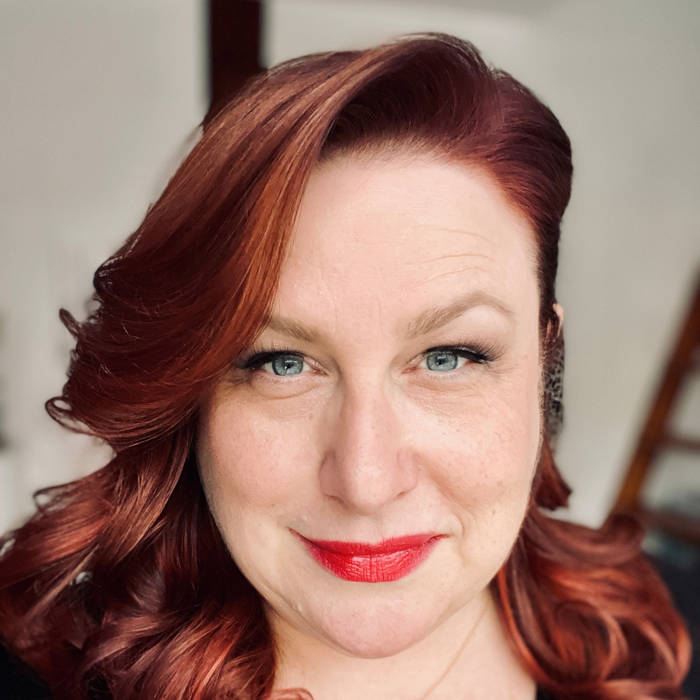
Melanie Tapson
Through live demonstrations, group practice, and peer coaching, you’ll learn how to teach SOVTs and VFEs with clarity and precision, integrate their principles to support vocal health, recovery, and stylistic flexibility and troubleshoot challenges and adapt exercises for individualized results.
Tuesday 27th October 2026
5:00 PM - 7:00 PM
(London Time)
Pop Pedagogy - an Overview

Kim Chandler
Some successful pop stars are celebrating career lengths of over sixty years, having been around since the 1950s when pop music emerged and diversified from jazz, so pop singing has been in existence sufficiently long now that, for teaching purposes, we can observe and analyse what type of approach serves it best.