Singing at First Sight: Improve your Sight-singing!
Friday 17th July 2026, 2:00 PM - 4:00 PM (London Time)
Improve Your Sight Singing
Course Overview Reading music at sight is a powerful, transformative tool for singers and singing teachers across all genres. Whether you are looking to audition with confidence, learn repertoire faster, or establish yourself as a highly versatile performer and educator, strong sight-singing skills are essential.
In this short course, join Dr David Cane as he explores a range of practical, evidence-based strategies designed to demystify the page, develop your inner hearing, and enhance your broader musicianship. By bridging the gap between musical notation and vocal execution, this course will empower you to approach new scores with accuracy and artistic independence.
What You Will Learn:
-
Core Sight-Singing Strategies: Practical techniques to decode pitch, intervals, and rhythm efficiently on first sight.
-
Inner Hearing & Audiation: Developing the ability to "hear" the music in your mind before singing it aloud.
-
Rhythmic Precision: Navigating varied time signatures and rhythmic patterns with stability and confidence.
-
Application Across Genres: How to apply these skills whether you are working with classical scores, commercial music, or contemporary commercial music (CCM) charts.
-
Pedagogical Tools: For teachers, insights into how to introduce and scaffold sight-singing skills for your own students.
Who This Course Is For: This course is ideal for singers, vocal coaches, and singing teachers who want to build their musical literacy and performance confidence.
Prerequisites: There are no formal entry requirements for this course. However, to get the most out of the sessions, a basic foundational knowledge of Western classical music notation (such as reading the treble or bass clef and understanding basic note values) will be useful.
🏷️ Price £30 (UK VAT inclusive)
🎥 Recording automatically sent to all who book (even if you cannot attend live)
▶️ Rewatch as many times as you like
📜 Certificate of attendance available

Dr David Cane
Dr. David Cane is a Lecturer with expertise in musicology, qualitative and quantitative research design, disability studies, and postgraduate supervision. He plays a central role in research methods teaching and dissertation supervision. David’s research interests include critical disability and queerness. David is a lecturer, researcher, singer, singing teacher and choir director.

Attend this course for as little as £22 as part of the Voice Professional Training CPD Award Scheme.
Learn MoreSorry, this is an archived short course...
We have plenty of upcoming short courses coming soon. See details of some of them below or look at the full list of short courses.
Tuesday 13th October 2026
1:00 PM - 2:00 PM
(London Time)
MA Voice Pedagogy: Online Information Session & Q&A

Debbie Winter
Considering our MA Voice Pedagogy? Join our Director for a focused online presentation and discussion to explore the course, ask questions, and discover whether postgraduate study at Voice Study Centre is right for you.

Tuesday 13th October 2026
2:00 PM - 4:30 PM
(London Time)
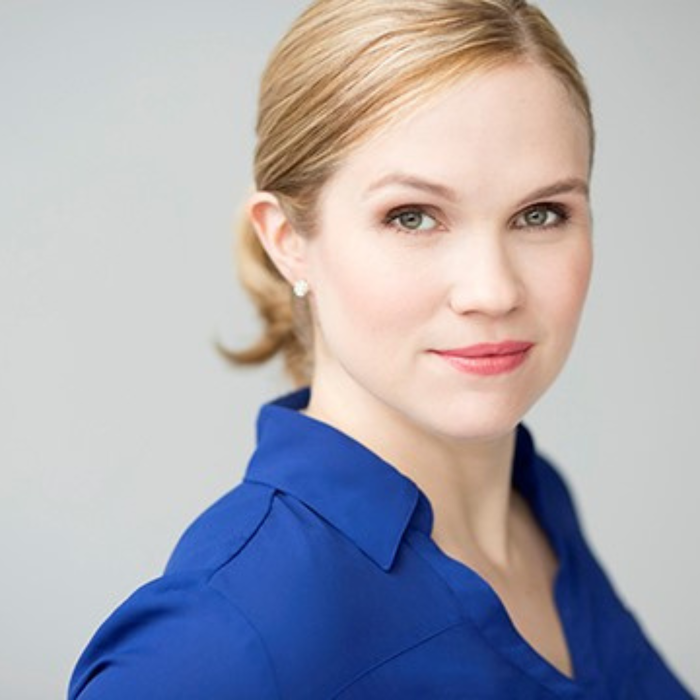
Musical Theatre Singing Pedagogy: A Framework for Teaching Musical Theatre Singers!

Amanda Flynn
Join Amanda Flynn for this extended 2.5 hour session on the the pedagogy of teaching musical theatre singing. She will begin by exploring the flexibility needed for musical theatre singing through definitions, listening exercises, and some historical context.

Wednesday 14th October 2026
3:00 PM - 5:00 PM
(London Time)
Thinking Outside the Voice Box: Adolescent Female Voice Change

Dr Bridget Sweet-Manternach
Join Dr Bridget Sweet for this 2 hour session as she unpacks this fascinating topic. The purpose of this course is to bring attention to adolescents who experience an estrogen-dominant voice change and to encourage new and holistic ways of thinking about [assigned at birth] female voices. While considering physical changes during adolescence, we will unpack basic vocal anatomy and physiology and then discuss what happens to the vocal mechanism during voice change for females vs. [assigned at birth] males.