The Emotional Voice: Past Theories, Present Practice
Thursday 5th February 2026, 1:00 PM - 2:30 PM (London Time)
Thursday 5th February 2026, 1:00 PM - 2:30 PM (London Time)
Theories of emotion across time and their application to voice practice (a 2-part course)
From the Greek actor Polus of Aegina carrying an urn of his own dead son’s ashes onstage in Sophocles’ Electra (Konjin, 1997) to the so-called American Method acting of Hollywood in the 20th Century, how performers work with and express emotion has been a vital part of their craft and how they are perceived by audiences.
Exactly what emotion is has been a hotly debated topic throughout history. In fact, the first time the word ‘emotion’ was used regularly in literature was the 19th century (Evans, 2019). There are many theories that have developed surrounding its definition, how emotions should be categorised, whether or not they are universal, and how we express them.
In this two-part course, we consider these questions:
How have theories of emotion developed over time?
How could understanding theories of emotion help voice practitioners in their coaching of singers and speakers?
Who is it for?
This course is for voice teachers (spoken or singing) who have an interest in emotion research and would like to know more about the history of the theories of emotion and how a deeper knowledge of these concepts can be applied in the voice studio. The first part of each section will be in a lecture format, but there will be plenty of opportunities for discussion.
Session 1: Theories of emotion, past and present
We will follow a brief history of emotion theories, looking at how the study of emotion has been connected with theology, ethics, art and science. We will consider where we are now in emotion research, and ask whether or not we as voice practitioners need to choose where we land on the topic.
Session 2: Application to practice in the voice studio
We will consider the theories of emotion on a more practical level and look at how these ideas impact our understanding of vocal expression and attitudes towards performance.
🏷️ Price £50 (UK VAT inclusive)
🎥 Recording automatically sent to all who book (even if you cannot attend live)
▶️ Rewatch as many times as you like
📜 Certificate of attendance available

Louisa Morgan
Louisa Morgan is a lecturer, voice teacher and researcher, with a special focus on spoken and sung emotion. Louisa lectures with Voice Study Centre (spoken voice lead). Previously, Louisa taught technical singing for the MA/MFA Musical Theatre students at the Guilford School of Acting (GSA) and Italia Conti, and she was also a spoken and singing voice coach for the Acting students at the Cygnet Training Theatre.
Sorry, this is an archived short course...
We have plenty of upcoming short courses coming soon. See details of some of them below or look at the full list of short courses.

Tuesday 27th October 2026
5:00 PM - 7:00 PM
(London Time)
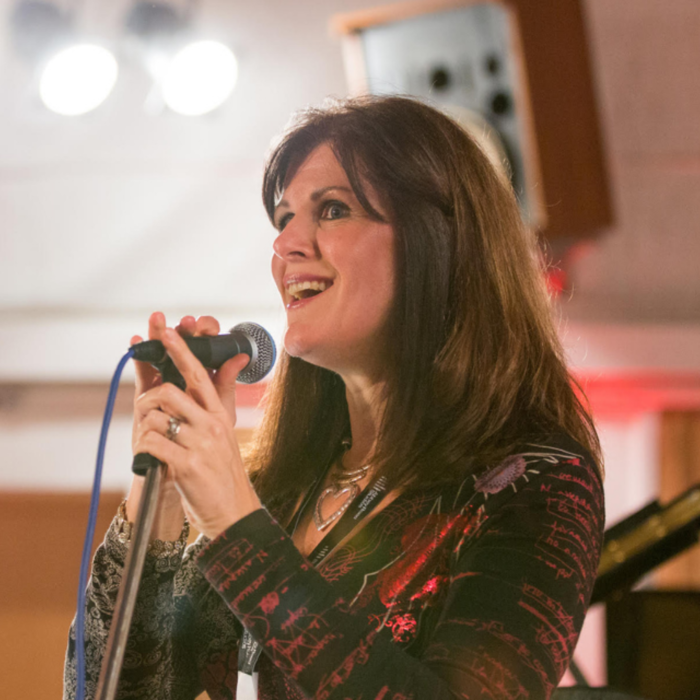
Pop Pedagogy - an Overview

Kim Chandler
Some successful pop stars are celebrating career lengths of over sixty years, having been around since the 1950s when pop music emerged and diversified from jazz, so pop singing has been in existence sufficiently long now that, for teaching purposes, we can observe and analyse what type of approach serves it best.
Friday 30th October 2026
3:00 PM - 5:00 PM
(London Time)
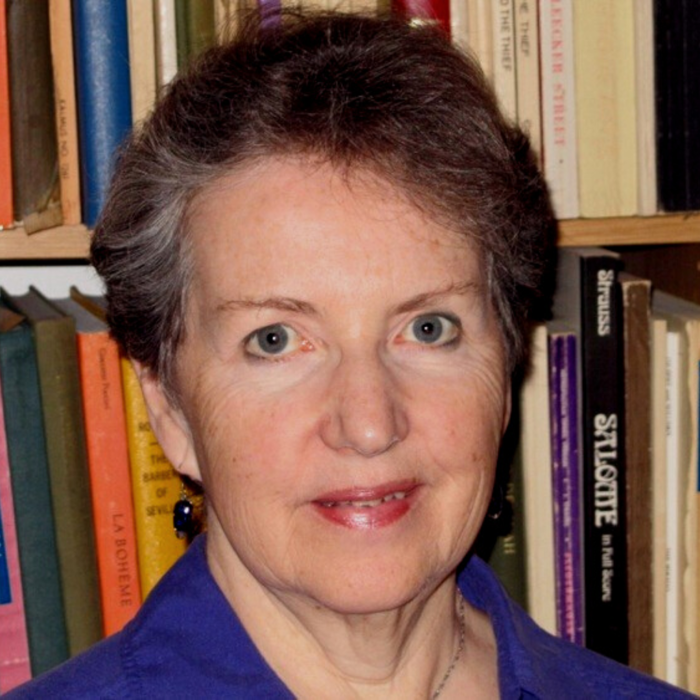
Feldenkrais Method® - its application in speech and song!

Marina Gilman
The Feldenkrais Method® is a form of somatic education that uses gentle movement and directed attention to improve physical and mental functioning, including singing and speaking. Since we are not always aware of the source of tension or discoordination, it is difficult to make the necessary adjustments to ensure optimal use of the voice!

Monday 2nd November 2026
5:00 PM - 7:00 PM
Tuesday 3rd November 2026
5:00 PM - 7:00 PM
(London Time)
The Vocal Health Challenges for Actors and Singers!

Leda Scearce
Two part course! Vocal health principles are inextricably and symbiotically linked with singing and acting voice pedagogy: Good vocal health allows the singer and actor to more easily and effectively achieve their technical and artistic goals, and good teaching reinforces vocal technique that diminishes the risk of vocal injury. We now also recognize the necessity for singers and actors to understand how their instruments work, how to take care of their voices, and what to do when something goes wrong. Singing and acting teachers are indeed on the front lines of vocal health!