Voice and Emotion in Speech and Song!
Monday 19th January 2026, 2:00 PM - 4:00 PM (London Time)
Emotion is performance. Did you know that ancient Romans didn’t smile when they were happy, and that smiling was an invention of the Middle Ages? Broad, toothy-mouthed smiles, known as the Duchenne smile, became popular as recent as the eighteenth century as dentistry became more accessible and affordable (Feldman Barrett, 2017, p51). Emotion is an exchange between a performer and an audience, even when we are not on a stage.
Discover how we use our voices to communicate emotion, both through verbal content and nonverbal vocal cues like tone of voice, volume, and prosody.
While there has been a significant amount of research conducted into how speakers use emotion in the voice and how listeners perceive it, how this relates to performance is a relatively new field of research (even if we have been talking about it as practitioners for centuries!).
Join us for an exploratory session where we reflect on how speakers and singers encode their voices with emotion to communicate expressively. We'll delve into how emotion occurs in social contexts in the ‘real world’ and address emotional performance in both spoken and sung voice
🏷️ Price £30 (UK VAT inclusive)
🎥 Recording automatically sent to all who book (even if you cannot attend live)
▶️ Rewatch as many times as you like
📜 Certificate of attendance available

Louisa Morgan
Louisa Morgan is a lecturer, voice teacher and researcher, with a special focus on spoken and sung emotion. Louisa lectures with Voice Study Centre (spoken voice lead). Previously, Louisa taught technical singing for the MA/MFA Musical Theatre students at the Guilford School of Acting (GSA) and Italia Conti, and she was also a spoken and singing voice coach for the Acting students at the Cygnet Training Theatre.

Attend this course for as little as £22 as part of the Voice Professional Training CPD Award Scheme.
Learn MoreSorry, this is an archived short course...
We have plenty of upcoming short courses coming soon. See details of some of them below or look at the full list of short courses.

Monday 28th September 2026
1:00 PM - 2:30 PM
Tuesday 29th September 2026
1:00 PM - 2:30 PM
Wednesday 30th September 2026
1:00 PM - 2:30 PM
Thursday 1st October 2026
1:00 PM - 2:30 PM
Friday 2nd October 2026
1:00 PM - 2:30 PM
(London Time)
Certificate in Executive Voice Coaching and Communication

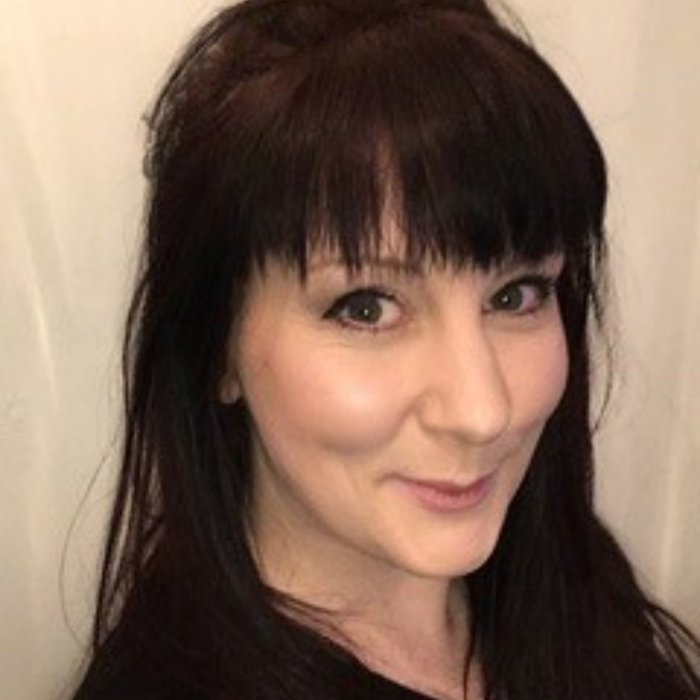
Louisa Morgan
This five-day course is designed for professional coaches who want to extend their practice into executive coaching, leadership communication, and professional corporate voice work.

Friday 2nd October 2026
12:30 PM - 2:30 PM
(London Time)
Muscle Tension Dysphonia in the Singing Voice!

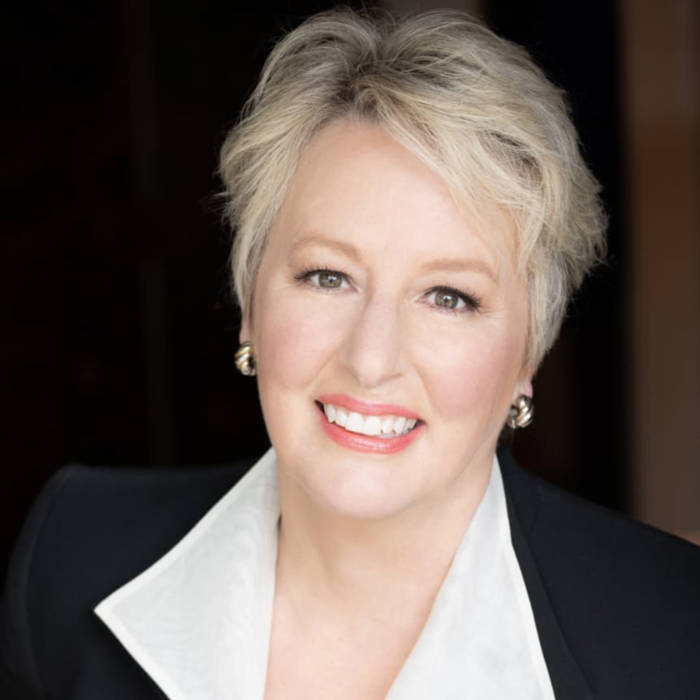
Dr Claire Thomas
Join Dr Claire Thomas for a practical 2-hour workshop for singing teachers and voice practitioners! Building upon the previous course to create a practical teacher pathway in order to recognise what is happening, reduce unnecessary effort, transfer coordination into singing, manage load and recovery and know when to refer back. Not one size fits all, but a guide to making informed choices with voice users. Based on a five-year investigative project, the course equips singing teachers with the knowledge and practical tools needed to confidently understand MTD, and support singers experiencing MTD beyond their initial therapeutic input.
Tuesday 6th October 2026
5:00 PM - 7:00 PM
(London Time)
Inspired Not Bound: The Promise of Science-Informed Voice Pedagogy

Lynn Helding
Lynn Helding defines Science-Informed Voice Pedagogy in her upcoming book Practicing Science-Informed Voice Training as, “A type of hybrid singing voice pedagogy that unites science and art by researching current voice science, translating it, combining it with extant historic voice knowledge, and transmitting it to singers.” Join Lynn Helding as she seeks to understand human behaviour of both sides of the “Science versus Art” debate via research from the fields of cognitive science and behavioural science, focussing particularly on lessons learned due to several societal shifts.