Championing neurodiversity, wellbeing and inclusion
As complex beings, no-one fits into one category, and no two profiles are identical. Do-It recognises this and provides an instant holistic report, outlining specific strengths and challenges the individual may have. Voice Study Centre aims to utilise these cognitive profiles to effectively implement personalised student support from the start. The DO-IT Profiler plays a crucial role in Voice Study Centre’s mission to support all students, particularly those who may be neurodivergent. As we continue to embrace the diverse needs of our student body, the DO-IT Profiler stands as a key tool in ensuring that every student can reach their full academic potential, embracing cognitive differences.
The Do-It Profiler has a vast number of features to make its systems intuitive and inclusive to those with neurodiverse brains. Establishing a web-based modular screening and assessment system, minimal training is required to use the neurodiversity screener. Generating an instant and in-depth report flagging signs of conditions such as dyspraxia, dyslexia, autism, and ADHD, our staff are able to process data and implement support aids quickly and effectively. This system is used widely in the education, health, social, employment and justice settings, as it reduces administrative burdens and enables more effective interpersonal communication. Developed by specialists with extensive experience working in neurodevelopmental services and research over more than 10 years, the Do-It Profiler is solely evidence informed. With the fundamental frameworks based on exhaustive research, this Profiler delivers results with extreme accuracy.
Taking a person-centred approach, Do-It requires multiple sources, from teachers or parents, to make an accurate calculation. Delivering instant functional guidance, this system can provide insight into the individual’s possible next steps, speeding up the diagnostic process. Localised information can be added to the system to tailor the support to that individual, suggesting local agencies, clinics, and support groups. Upon entering information, the Profiler’s layout is designed to reduce administrative burden, aiding those who struggle with cognitive overload. For those with processing difficulties, coloured overlays and spoken text that can be translated into multiple languages is available.
We also provide all students with 24/7, free online counselling sessions. These services provide immediate access to mental health support, ensuring that students can receive help whenever they need it, regardless of the time of day. To learn more about this service, click here.
Recent Posts
After The Session
After The Session: Inspired Not Bound: The Promise of Science-Informed Voice Pedagogy

Voice Study Centre
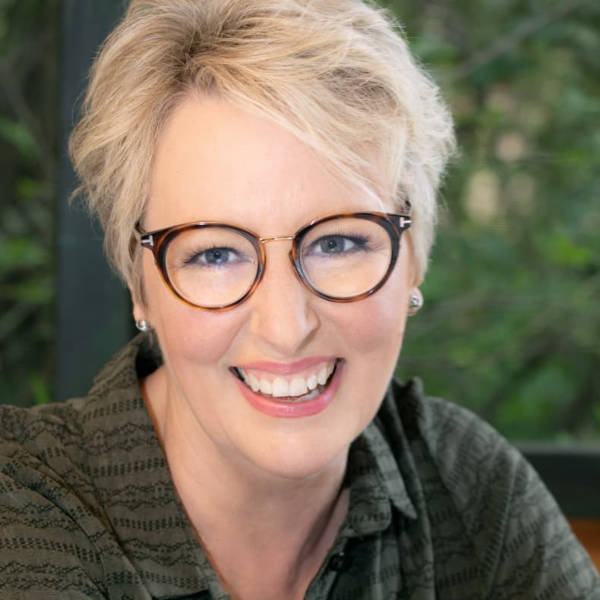
Wednesday 7th October 2026Yesterday, Voice Study Centre hosted Lynn Helding, Professor of Practice in Vocal Arts and Opera and Coordinator of Vocology and Voice Pedagogy at the USC Thornton School of Music. Her presentation was a compelling exploration into the relationship between voice science and vocal art. Titled "Inspired Not Bound: The Promise of Science-Informed Voice Pedagogy," the session tackled a question that has lingered for over 170 years: If voice science is so rich and transformative, why hasn't it been more fully adopted across all voice studios?
Read More...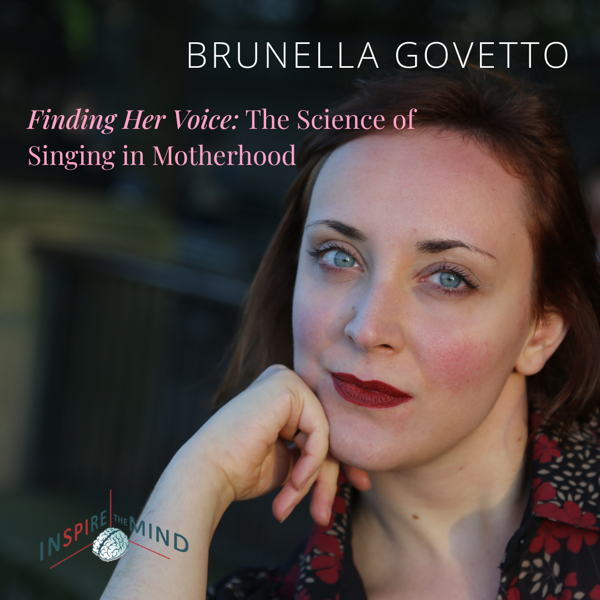
Student & Alumni News
Alumna Brunella Govetto Writes for Inspire the Mind on Singing and Motherhood
Voice Study Centre
Monday 28th September 2026Voice Study Centre alumna Brunella Govetto has written a new article for the Inspire the Mind blog, drawing on her thesis work and experience of working with singing and mothers.
Read More...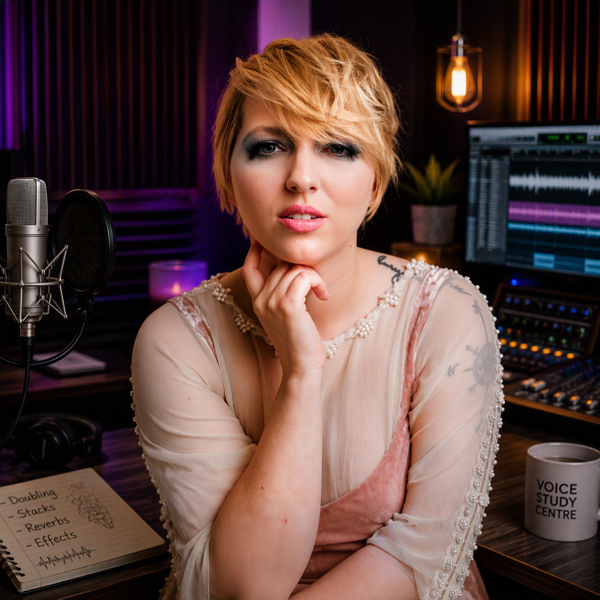
After The Session
After The Session: Doubles and Stacks, Reverbs and Effects: Teaching Vocal Production Skills
Voice Study Centre
Wednesday 23rd September 2026For many vocalists and voice teachers, the world of digital audio workstations (DAWs), hardware, and studio processing can feel like forbidden territory. Yesterday, Voice Study Centre hosted a hands-on, practical short course led by Kelly Hoppenjans (voice teacher, and PhD candidate in musicology at the University of Michigan), designed specifically to break down these technological barriers and empower singers to approach vocal production creatively, playfully, and confidently - so what did we learn?
Read More...