Online Courses & Events
All our short courses are hosted 'live'. Recordings are sent out to registered participants afterwards (usually within 24 hours), for those that could not attend in real time.
Save money when buying multiple courses and get recognition for your Continuing Professional Development (CPD). The CPD Award Scheme acknowledges your commitments to further training and development. You will be awarded certificates in relation to the hours you spend attending CPD events hosted by Voice Study Centre. Look for the CPD logo to find qualifying courses. Discounts are applied automatically at checkout.
Alternatively, you can also buy a CPD course bundle up-front, and choose when to use those credits. Click here for more details.
|
5 SHORT COURSES (10 HOURS CPD) |
£125 (INC. VAT) Usually £150 SAVE £25 |
|
10 SHORT COURSES (20 HOURS CPD) |
£235 (INC. VAT) Usually £300 SAVE £65 |
|
15 SHORT COURSES (30 HOURS CPD) |
£330 (INC. VAT) Usually £450 SAVE £120 |
View Our Upcoming Short Courses:

Wednesday 4th March 2026
1:00 PM - 2:00 PM
Wednesday 11th March 2026
1:00 PM - 2:00 PM
Wednesday 18th March 2026
1:00 PM - 2:00 PM
Wednesday 25th March 2026
1:00 PM - 2:00 PM
Wednesday 1st April 2026
1:00 PM - 2:00 PM
Wednesday 8th April 2026
1:00 PM - 2:00 PM
(London Time)
Learn to Coach RP and SSBE – a Certificate in Accent Coaching

Louisa Morgan
This six-week course is an opportunity to learn about both Received Pronunciation and Standard Southern British English. Rather than a course in learning how to speak RP/SSBE (there are many brilliant available courses for this already), this course is about learning how to coach it.
Thursday 5th March 2026
1:00 PM - 2:30 PM
Thursday 12th March 2026
1:00 PM - 2:30 PM
(London Time)
Acting Emotion: Perspectives from the Masters
Louisa Morgan
Stanislavski said, “our artistic emotions are, at first, as shy as wild animals and they hide in the depths of our souls.” Michael Chekhov said, our bodies should be like a “sensitive membrane, a kind of receiver and conveyor of the subtlest images, feelings, emotions and will impulses.” And Meisner said we should be “living truthfully under imaginary circumstances.” Join Louisa Morgan in this 2-part course as she explores a range of well-known acting practitioners to investigate what they believed (or believe) about emotion and how they approached it in their work. She'll compare their work to see where they align and where they diverge.

Tuesday 10th March 2026
3:00 PM - 5:00 PM
(London Time)
Living truthfully in the present moment: An introduction to the Meisner Technique!

Abigail Sugden
Sanford Meisner believed that acting is living truthfully under imaginary circumstances. Rooted in behavioural aspects of acting practice, the Meisner Technique is often associated with encouraging actors to live truthfully in the present moment. Aimed at those working within the field of acting, this 2-hour session with Abigail Sugden will focus on the work of Sanford Meisner, introducing the core principles of his technique and discussing the possible benefits to performers.

Tuesday 17th March 2026
5:00 PM - 7:00 PM
(London Time)
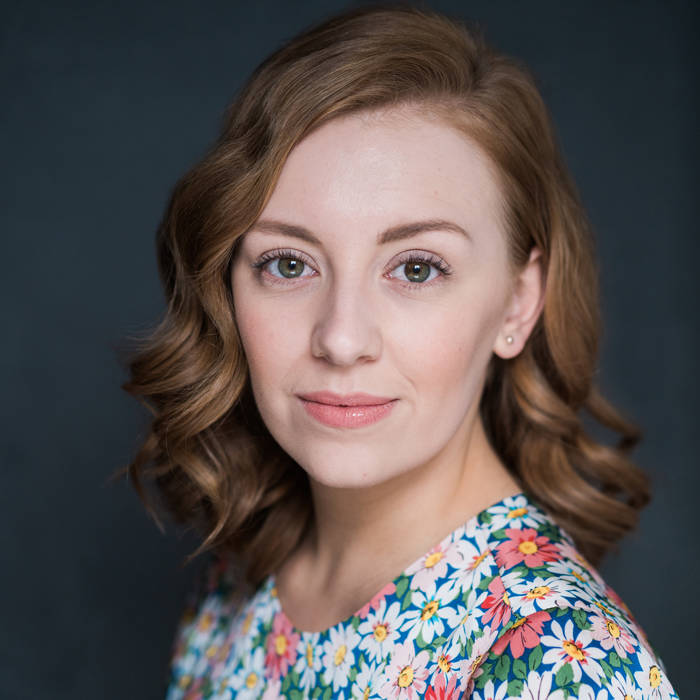
The Use of Vibrato in Belt and Legit Styles of Singing in Professional Female Musical Theatre Performers

Dr. Alyssa Becker
Shaped by the popular music of its time, musical theatre blends storytelling with an ever-evolving range of vocal styles—from classical legit singing to jazz, hip-hop, and powerhouse belting. Despite its importance, much of what we understand about vibrato comes from laboratory-based studies that strip singing of its musical, stylistic, and performance context. Join Dr Alyssa Becker as she connects current research with real-world pedagogy, revealing how elite musical theatre performers strategically use vibrato to shape style and storytelling, and showing how these insights can be applied in the voice studio to train stylistic flexibility and control!
Wednesday 18th March 2026
5:00 PM - 7:00 PM
(London Time)
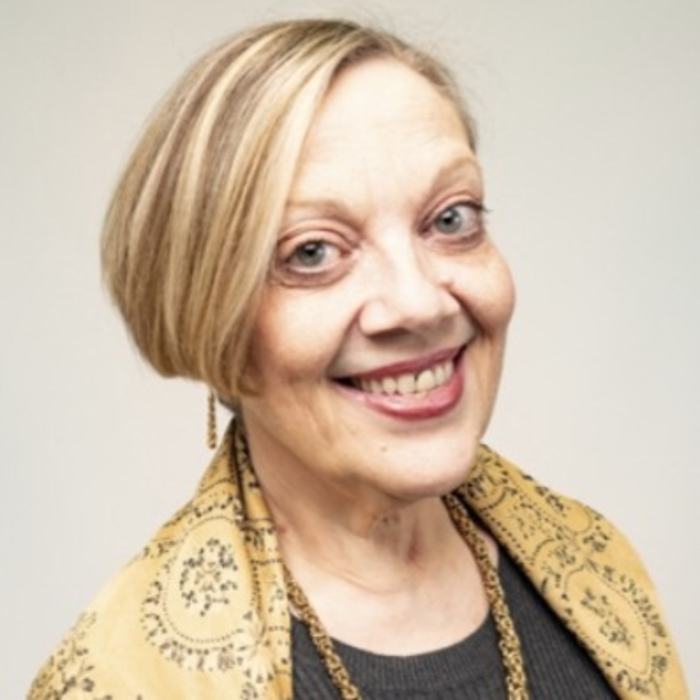
Facilitating Jaw Release Through Improved Habits of Stance and Alignment

Ruth Williams Hennessy
In this interactive workshop, participants assess their current habits of postural stance and dental occlusion and learn techniques to facilitate and maintain jaw release.
Wednesday 25th March 2026
5:00 PM - 7:00 PM
(London Time)
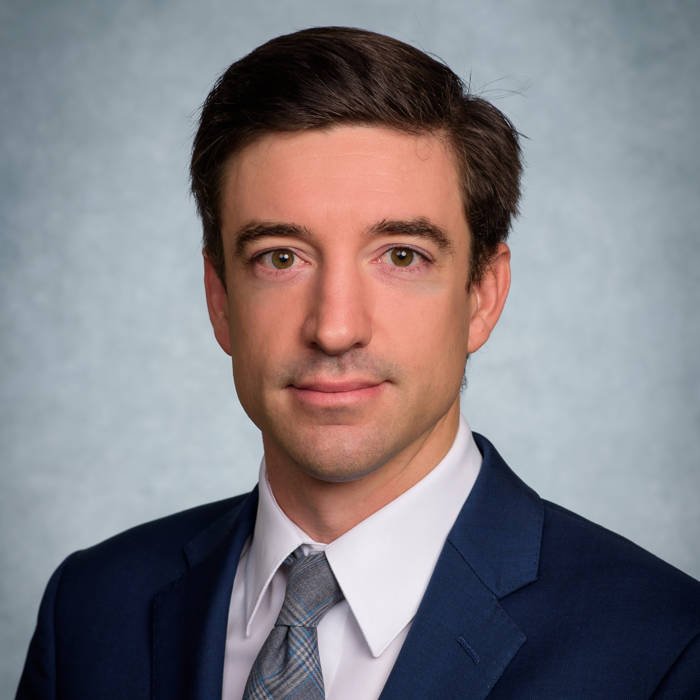
Introduction to Marking Technique for the Teacher and Performer!

Jacob Wright
Join Jacob Wright as he explores marking technique in singing—a vocal conservation strategy used by singers during rehearsals and extended performance periods. Marking involves singing at reduced vocal intensity, altered pitch, or modified vocal quality to preserve vocal health while maintaining musical and dramatic engagement. Participants will gain practical tools for implementing marking in their own practice, teaching, or clinical work, supported by current research and voice science principles!
Friday 27th March 2026
1:00 PM - 3:00 PM
(London Time)
Muscle Tension Dysphonia in the Singing Voice!

Dr Claire Thomas
A specialist course for singing teachers and voice professionals! Designed specifically for those working with singers, this in-depth course with Dr Claire Thomas explores Muscle Tension Dysphonia (MTD) through the lens of the singing voice - bridging clinical research and studio practice.
Thursday 9th April 2026
1:00 PM - 2:30 PM
Thursday 16th April 2026
1:00 PM - 2:30 PM
Thursday 23rd April 2026
1:00 PM - 2:30 PM
Thursday 30th April 2026
1:00 PM - 2:30 PM
Thursday 7th May 2026
1:00 PM - 2:30 PM
(London Time)
Introduction to Postgraduate Academic Skills - Join Live!

Debbie Winter
Are you ready to elevate your academic journey? Hosted by our very own Debbie Winter, join our comprehensive Introduction to Academic Skills course, designed to equip you with essential tools and strategies for success in higher education. Perfect for bridging the gap between undergraduate and postgraduate study, this course offers a pathway to our full MA for students without an existing degree. We offer both live, interactive sessions and standalone, pre-recorded content.
Thursday 9th April 2026
5:00 PM - 7:00 PM
(London Time)
The Acoustics and Mechanics of Whistle Voice

Dr Ingo Titze
Join Dr Ingo Titze for this 2-hour session, as he dives deep into the physiological and acoustic mysteries of the human "whistle voice"—the highest register of the human vocal range. While often compared to a flute or a lip whistle, recent research suggests the biological reality is far more complex than simple aerodynamics!
Wednesday 15th April 2026
5:00 PM - 7:00 PM
Thursday 16th April 2026
5:00 PM - 7:00 PM
(London Time)
Mitigating Music Performance Anxiety (MPA) Within the Teaching Studio: Theories & Practical Strategies

Dr David Juncos
In recent years, an alternative model for treating MPA has shown great promise among practitioners - training music teachers to use interventions from evidence-based coaching models aimed to treat MPA, rather than continually referring students with MPA to receive psychotherapy like CBT.

Thursday 16th April 2026
5:00 PM - 7:00 PM
(London Time)
Nutrition and Exercise for Singers – The Missing Link in Vocal Health and Longevity

Duncan Rock
Discover the essential role that nutrition and exercise play in enhancing vocal health and ensuring a long-lasting singing career in our upcoming seminar, "Nutrition and Exercise for Singers – The Missing Link in Vocal Health and Longevity."
Thursday 23rd April 2026
2:00 PM - 4:00 PM
Friday 24th April 2026
2:00 PM - 4:00 PM
(London Time)
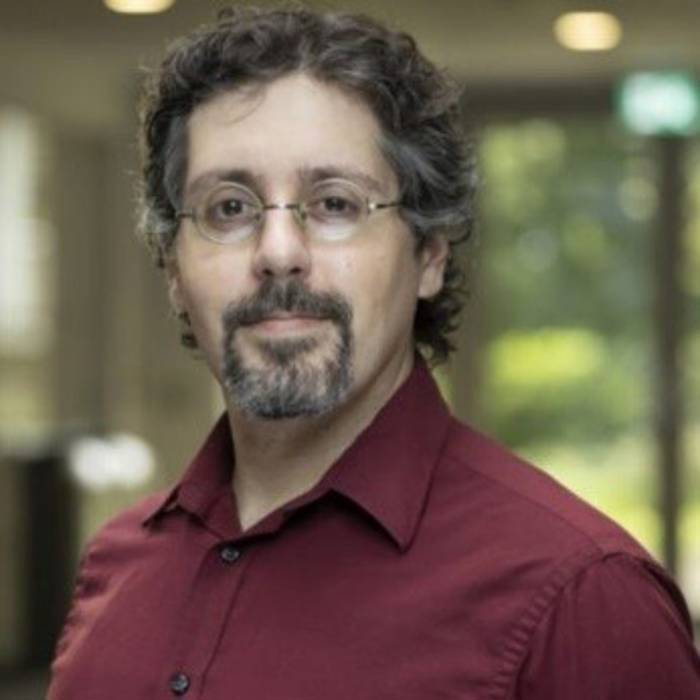
Singing and the Brain: A Harmonious Connection!

Dr Patricia Izbicki
Unlock the transformative power of music with our two-part lecture series that delves deep into the fascinating intersection of neuroscience, music education, and music therapy.
Thursday 23rd April 2026
5:00 PM - 7:00 PM
(London Time)
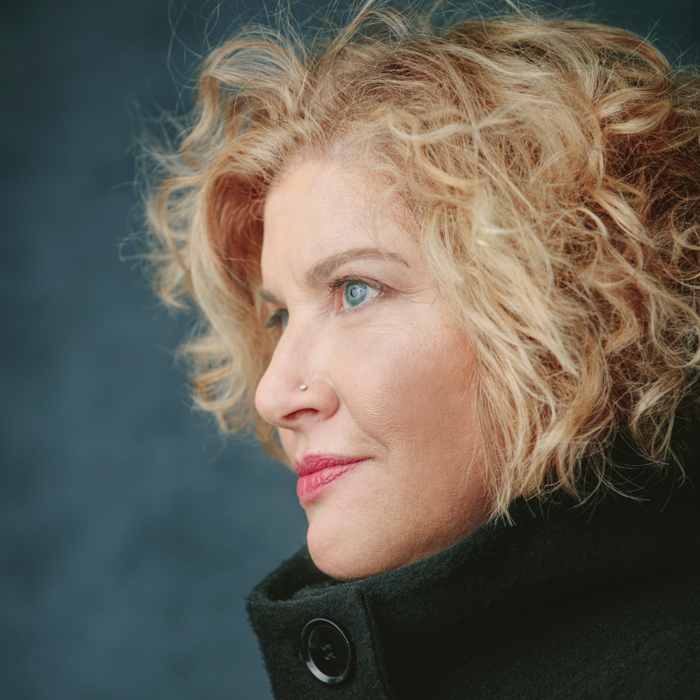
The Neuroscience of Speech and Song

Dr Michel Belyk
The Neuroscience of Speech and Song offers an engaging and accessible introduction to the fascinating interface between the brain and some of the things that we use it for. This course is designed to unravel the complex processes underlying how we speak and sing, using simple and accessible language. This course will start from basics and assume very little prior knowledge. We will cover the basic structure of the brain and how it works in general, then narrow in on specific processes that are relevant to speech and song.
Monday 27th April 2026
3:00 PM - 5:00 PM
Tuesday 28th April 2026
3:00 PM - 5:00 PM
Wednesday 29th April 2026
3:00 PM - 5:00 PM
Thursday 30th April 2026
3:00 PM - 5:00 PM
Friday 1st May 2026
3:00 PM - 5:00 PM
Tuesday 5th May 2026
3:00 PM - 5:00 PM
(London Time)
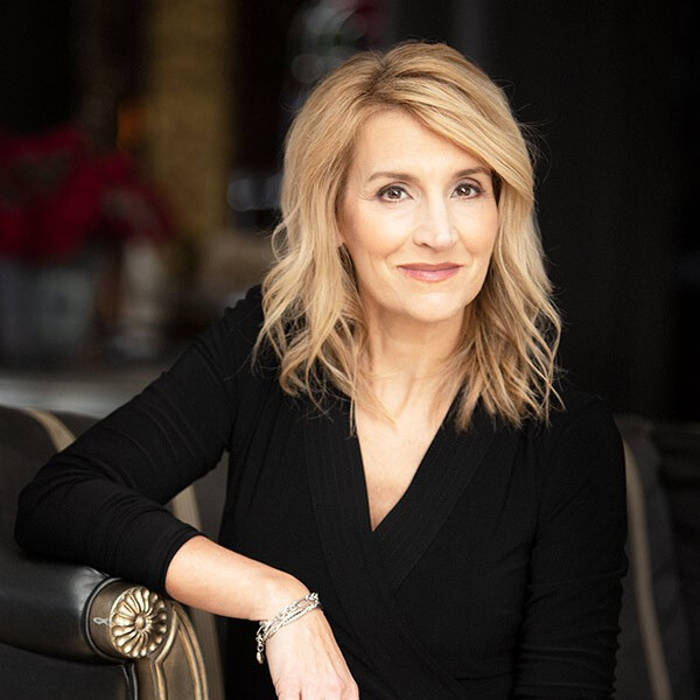
Certificate In Applied Neuroscience And Voice with Voice Scientist Heidi Moss
This six-day course is designed to provide an introduction to the neuroscience of vocalization. It aims to provide a foundation for those who are looking to fuse science with art and understand that the voice is so much more than an instrument.
Tuesday 28th April 2026
5:00 PM - 7:00 PM
(London Time)
Teaching Children in Group Voice Settings: Structure, Pedagogy, and Practice!

Dana Lentini
Join Dana Lentini as she explores practical and pedagogical strategies for designing and teaching successful group singing classes for children. Drawing on principles of pediatric vocal pedagogy and classroom teaching practice, participants will learn how to structure classes that balance vocal development, musicianship, and creative engagement. Particular attention will be given to a five-stage teaching framework that progresses from mind–body awareness and breath coordination through musicianship, vocal technique, and repertoire study.

Thursday 30th April 2026
5:00 PM - 7:00 PM
Friday 1st May 2026
5:00 PM - 7:00 PM
(London Time)
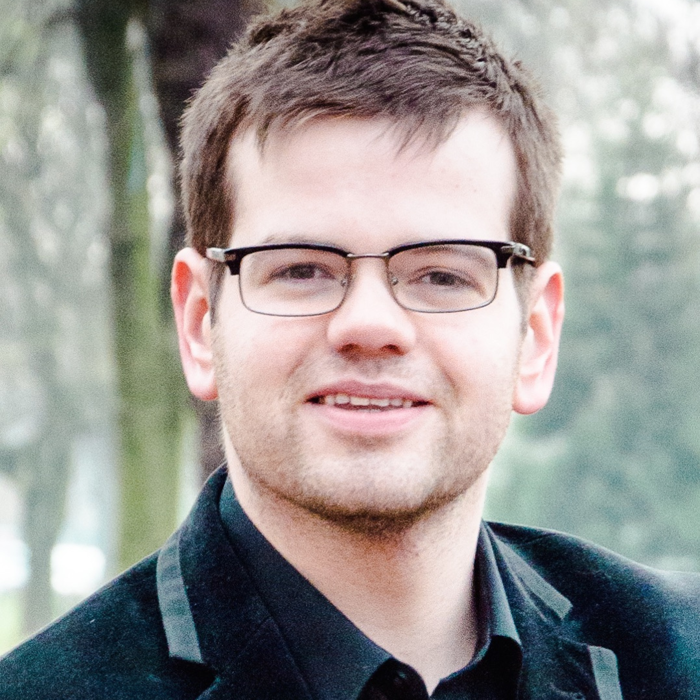
Introduction to Vocal Acoustics for Spoken and Sung Voice

Gökçe Kutsal
This course is designed to break down the fundamentals of acoustics for both spoken and sung voice in a beginner-friendly, accessible way — so you can easily understand and apply these concepts to your teaching or research.
Tuesday 5th May 2026
2:00 PM - 4:00 PM
Tuesday 12th May 2026
2:00 PM - 4:00 PM
Tuesday 19th May 2026
2:00 PM - 4:00 PM
Tuesday 26th May 2026
2:00 PM - 4:00 PM
Tuesday 2nd June 2026
2:00 PM - 4:00 PM
Tuesday 9th June 2026
2:00 PM - 4:00 PM
(London Time)
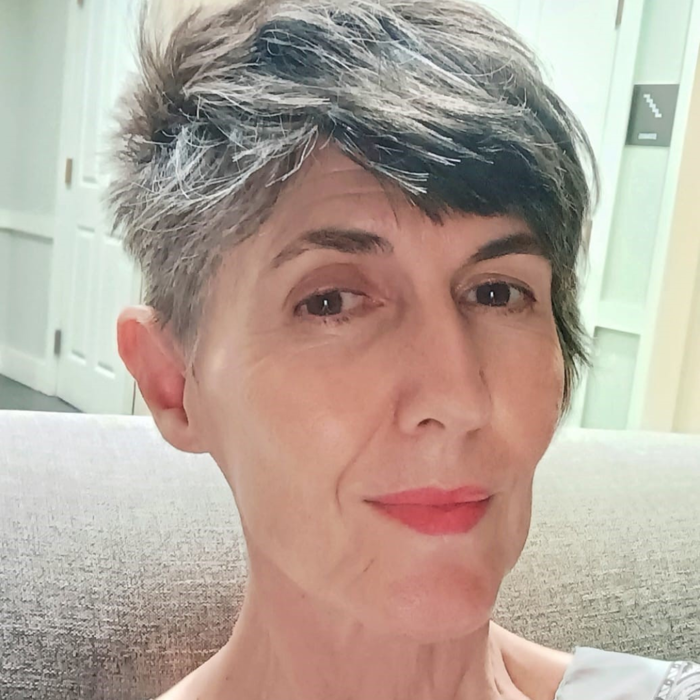
Music Theory Fundamentals for Voice Pedagogues

Dr David Cane
Voice pedagogy has advanced significantly in the last decades in relation to knowledge of the vocal apparatus (anatomy and mechanics), acoustics, and performance psychology (to name just a few subfields) – this is a wonderful thing! Nonetheless, musicianship and the foundations of music theory are still relevant to the teaching and coaching of singers and this course aims to empower voice teachers and coaches with skills to support the fundamental musicianship development of their students.
Thursday 7th May 2026
3:00 PM - 5:00 PM
(London Time)
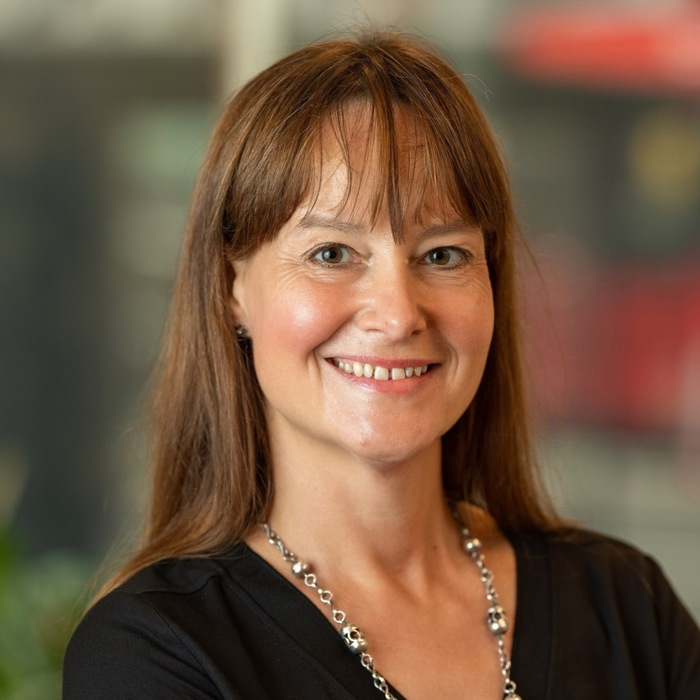
Embodied voice research: negotiating the ‘inner’ and outer’

Marth Munro
The central thrust of the session will be around the employment of Donald Schön’s concept of ‘reflection-in-action’ and ‘reflection-on-action’ to contextualise the potential interface between the inner and the outer in embodied voice research.
Tuesday 12th May 2026
3:00 PM - 5:00 PM
(London Time)
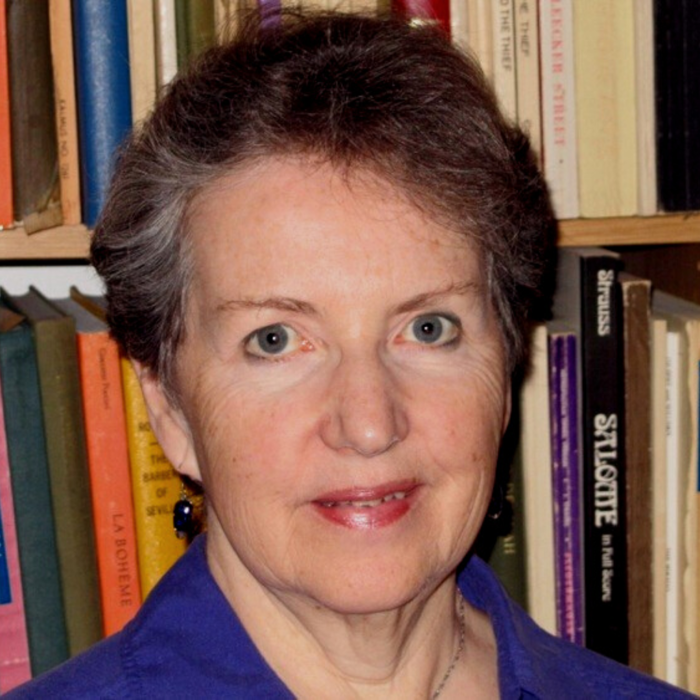
Prosody in conversation – crucial for effective communication?

Beatrice Szczepek Reed
In this course, we will take an introductory look at what prosody is and consider its functions in natural everyday dialogue. Prosody refers to the rhythm, stress, and intonation of speech. It's the musicality of language that helps convey meaning, emotion, and emphasis in conversation!
Thursday 14th May 2026
2:00 PM - 4:00 PM
(London Time)
Feldenkrais Method® - its application in speech and song!

Marina Gilman
The Feldenkrais Method® is a form of somatic education that uses gentle movement and directed attention to improve physical and mental functioning, including singing and speaking. Since we are not always aware of the source of tension or discoordination, it is difficult to make the necessary adjustments to ensure optimal use of the voice!

Thursday 14th May 2026
5:00 PM - 7:00 PM
Friday 15th May 2026
5:00 PM - 7:00 PM
(London Time)
The Vocal Health Challenges for Actors and Singers!

Leda Scearce
Two part course! Vocal health principles are inextricably and symbiotically linked with singing and acting voice pedagogy: Good vocal health allows the singer and actor to more easily and effectively achieve their technical and artistic goals, and good teaching reinforces vocal technique that diminishes the risk of vocal injury. We now also recognize the necessity for singers and actors to understand how their instruments work, how to take care of their voices, and what to do when something goes wrong. Singing and acting teachers are indeed on the front lines of vocal health!
Thursday 21st May 2026
5:00 PM - 7:00 PM
(London Time)
Letting the Text Live: Reading Aloud with Expression!
Louisa Morgan
This 2-hour interactive session is designed to help you make more deliberate, expressive choices in your speaking of the written word. It will involve plenty of practical exploration and will cover tips and techniques for working with the voice to lift the text off the page. Work with me to refine nuance, precision, and expressive range. We’ll explore a variety of text samples to cover a wide range of real-world situations, so you can get a feel for the different styles and approaches. If you want your spoken text to sound purposeful, engaging, and unmistakably yours, this session will invite you to play with some tools to do just that.

Tuesday 18th August 2026
3:00 PM - 5:00 PM
Tuesday 25th August 2026
3:00 PM - 5:00 PM
Tuesday 1st September 2026
3:00 PM - 5:00 PM
Tuesday 8th September 2026
3:00 PM - 5:00 PM
Tuesday 15th September 2026
3:00 PM - 5:00 PM
Tuesday 22nd September 2026
3:00 PM - 5:00 PM
(London Time)
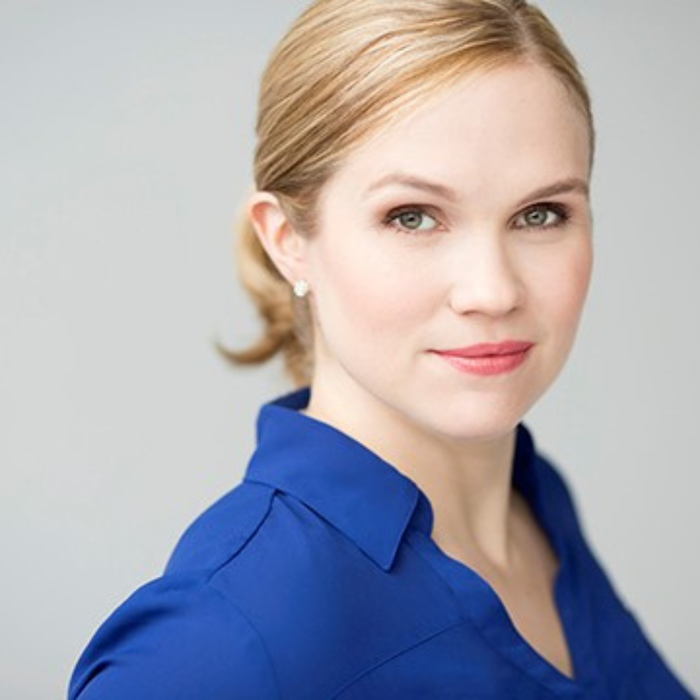
Musical Theatre Vocal Pedagogy Certificate

Kevin Wilson
Join Kevin Wilson for this six-part certificated course, offering an in‑depth, practical exploration of contemporary voice teaching for musical theatre. Across six focused classes, participants develop a systematic approach to vocal technique, diagnosis, and repertoire selection that reflects the stylistic, physical, and emotional demands of the genre. The curriculum integrates vocal science, embodied voice work, registration theory, and stylistic awareness across the five major sub‑genres of musical theatre.
Tuesday 13th October 2026
2:00 PM - 4:30 PM
(London Time)
Musical Theatre Singing Pedagogy: A Framework for Teaching Musical Theatre Singers!

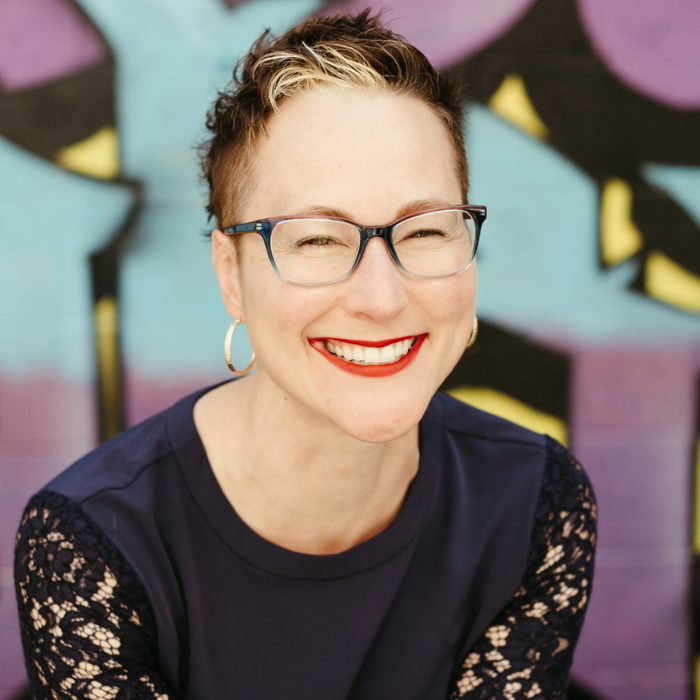
Amanda Flynn
Join Amanda Flynn for this extended 2.5 hour session on the the pedagogy of teaching musical theatre singing. She will begin by exploring the flexibility needed for musical theatre singing through definitions, listening exercises, and some historical context.
Thursday 15th October 2026
3:00 PM - 5:00 PM
(London Time)
Thinking Outside the Voice Box: Adolescent Female Voice Change

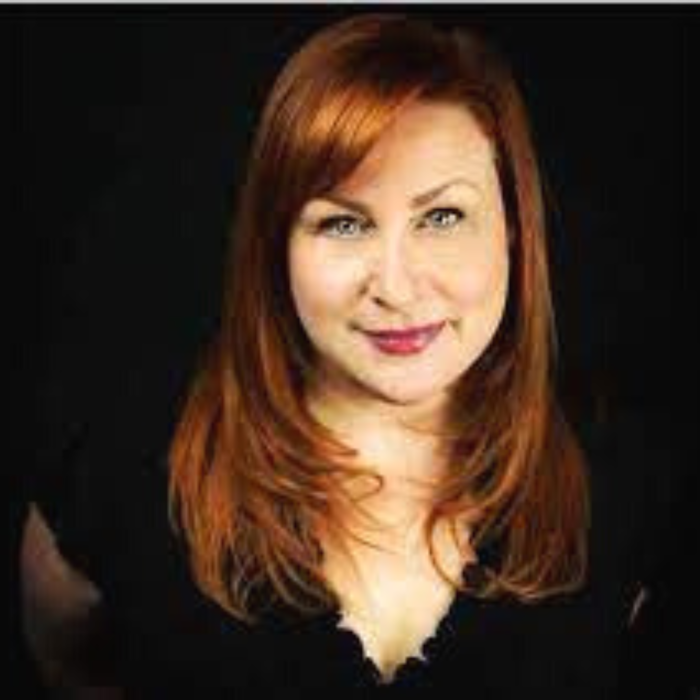
Dr Bridget Sweet
Join Dr Bridget Sweet for this 2 hour session as she unpacks this fascinating topic. The purpose of this course is to bring attention to adolescents who experience an estrogen-dominant voice change and to encourage new and holistic ways of thinking about [assigned at birth] female voices. While considering physical changes during adolescence, we will unpack basic vocal anatomy and physiology and then discuss what happens to the vocal mechanism during voice change for females vs. [assigned at birth] males.
Tuesday 20th October 2026
5:00 PM - 7:00 PM
(London Time)
Practical Magic*: The Art & Science of Balancing Voices with SOVTs and VFEs

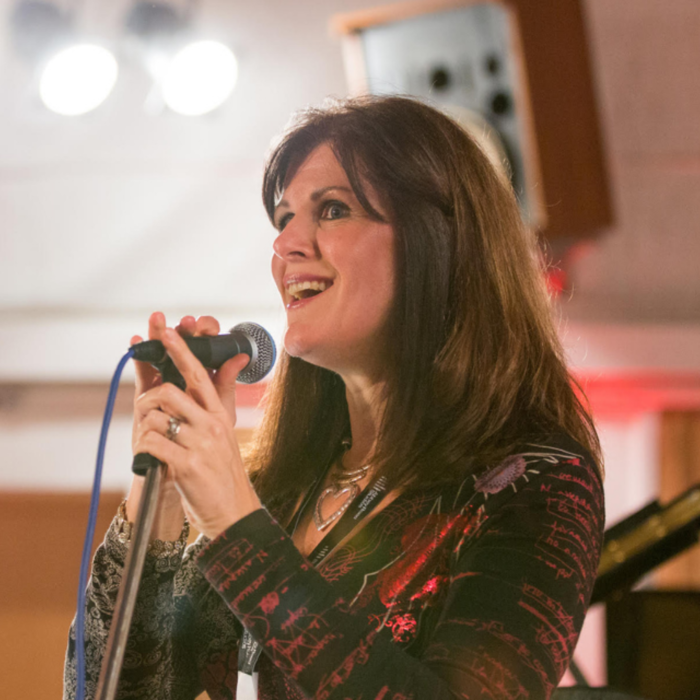
Melanie Tapson
Through live demonstrations, group practice, and peer coaching, you’ll learn how to teach SOVTs and VFEs with clarity and precision, integrate their principles to support vocal health, recovery, and stylistic flexibility and troubleshoot challenges and adapt exercises for individualized results.
Tuesday 27th October 2026
5:00 PM - 7:00 PM
(London Time)
Pop Pedagogy - an Overview

Kim Chandler
Some successful pop stars are celebrating career lengths of over sixty years, having been around since the 1950s when pop music emerged and diversified from jazz, so pop singing has been in existence sufficiently long now that, for teaching purposes, we can observe and analyse what type of approach serves it best.