Online Courses & Events
Our schedule below is always changing, so check back regularly! Sign up to our mailing list for all the latest offerings..
All our short courses are hosted 'live'. Recordings are sent out to registered participants afterwards (usually within 24 hours), for those that could not attend in real time.
Save money when buying multiple courses and get recognition for your Continuing Professional Development (CPD). The CPD Award Scheme acknowledges your commitments to further training and development. You will be awarded certificates in relation to the hours you spend attending CPD events hosted by Voice Study Centre. Look for the CPD logo to find qualifying courses. Discounts are applied automatically at checkout.
Buy now, choose later - you can also buy a CPD course bundle up-front, and choose when to use those credits. Click here for more details.
In addtition, we've now introduced a tiered CPD recognition pathway to further recognise your achievements. Become a CPD Associate or Fellow!
|
5 SHORT COURSES (10 HOURS CPD) |
£125 (INC. VAT) Usually £150 SAVE £25 |
|
10 SHORT COURSES (20 HOURS CPD) |
£235 (INC. VAT) Usually £300 SAVE £65 |
|
15 SHORT COURSES (30 HOURS CPD) |
£330 (INC. VAT) Usually £450 SAVE £120 |
View Our Upcoming Short Courses:

Monday 19th October 2026
2:00 PM - 4:00 PM
Tuesday 20th October 2026
2:00 PM - 4:00 PM
(London Time)
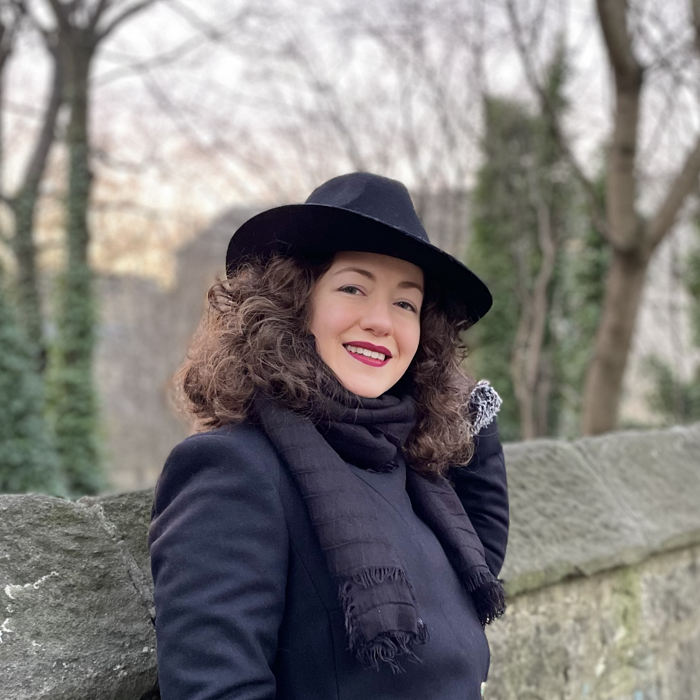
Introduction to Vocal Acoustics for Spoken and Sung Voice

Gökçe Kutsal
This course is designed to break down the fundamentals of acoustics for both spoken and sung voice in a beginner-friendly, accessible way — so you can easily understand and apply these concepts to your teaching or research.
Tuesday 20th October 2026
5:00 PM - 7:00 PM
(London Time)
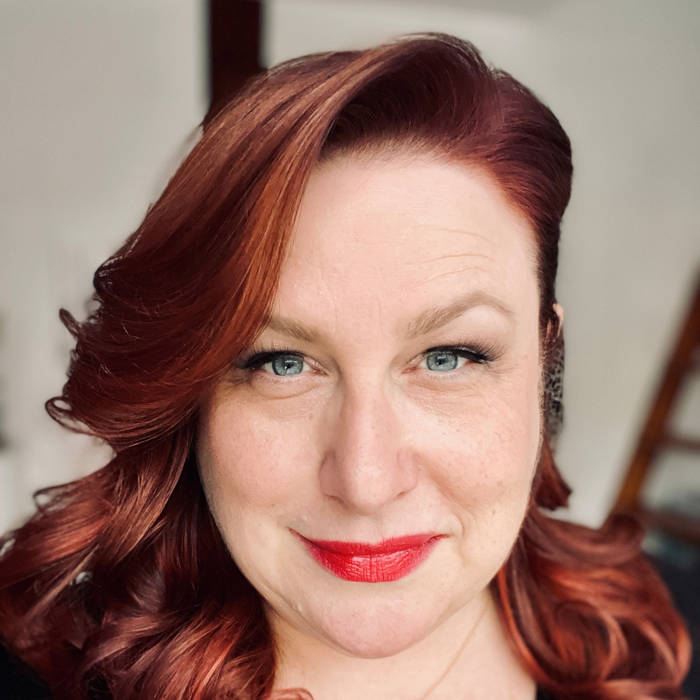
Practical Magic*: The Art & Science of Balancing Voices with SOVTs and VFEs

Melanie Tapson
Through live demonstrations, group practice, and peer coaching, you’ll learn how to teach SOVTs and VFEs with clarity and precision, integrate their principles to support vocal health, recovery, and stylistic flexibility and troubleshoot challenges and adapt exercises for individualized results.
Tuesday 27th October 2026
5:00 PM - 7:00 PM
(London Time)
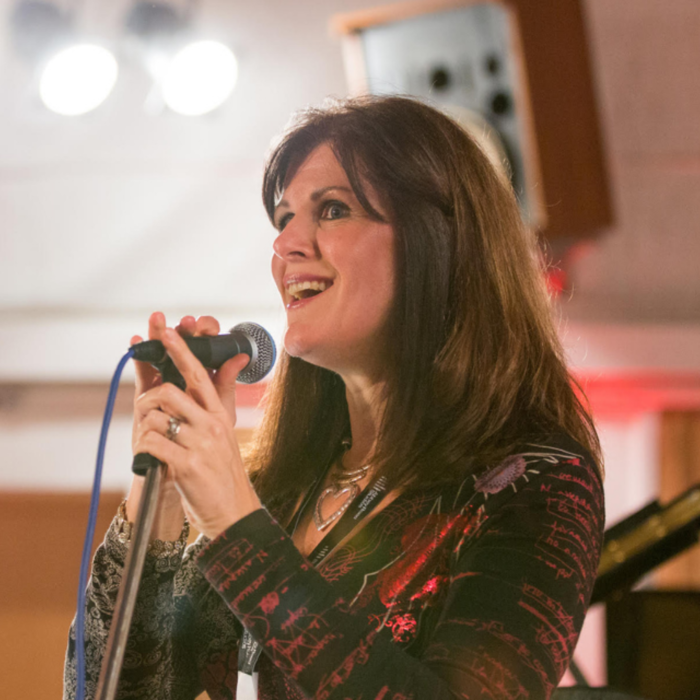
Pop Pedagogy - an Overview

Kim Chandler
Some successful pop stars are celebrating career lengths of over sixty years, having been around since the 1950s when pop music emerged and diversified from jazz, so pop singing has been in existence sufficiently long now that, for teaching purposes, we can observe and analyse what type of approach serves it best.
Friday 30th October 2026
3:00 PM - 5:00 PM
(London Time)
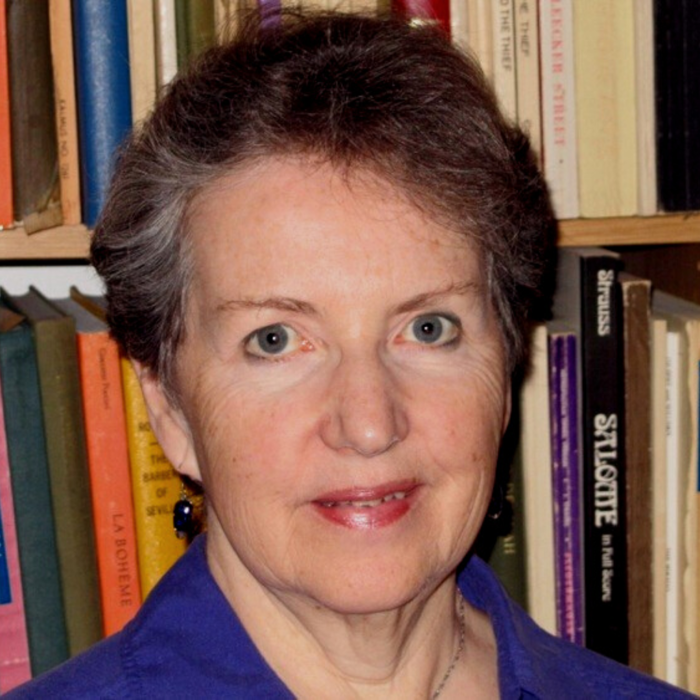
Feldenkrais Method® - its application in speech and song!

Marina Gilman
The Feldenkrais Method® is a form of somatic education that uses gentle movement and directed attention to improve physical and mental functioning, including singing and speaking. Since we are not always aware of the source of tension or discoordination, it is difficult to make the necessary adjustments to ensure optimal use of the voice!

Monday 2nd November 2026
5:00 PM - 7:00 PM
Tuesday 3rd November 2026
5:00 PM - 7:00 PM
(London Time)
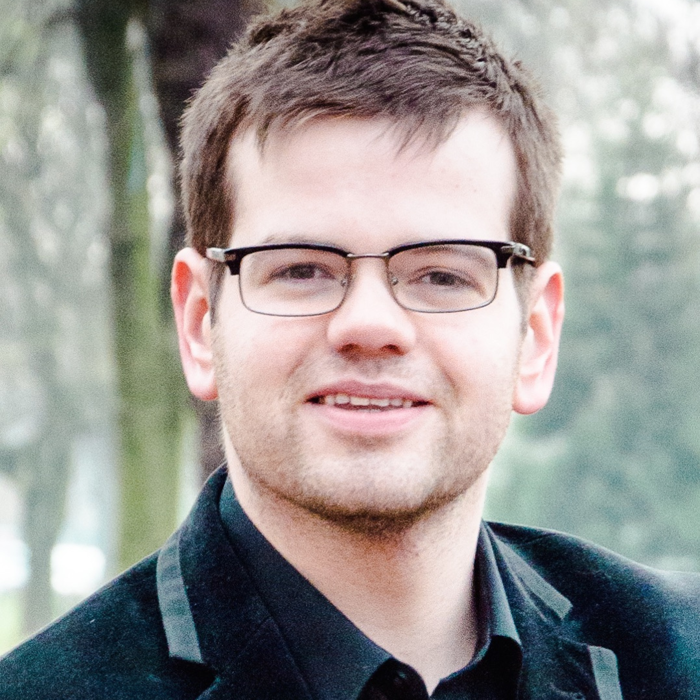
The Vocal Health Challenges for Actors and Singers!

Leda Scearce
Two part course! Vocal health principles are inextricably and symbiotically linked with singing and acting voice pedagogy: Good vocal health allows the singer and actor to more easily and effectively achieve their technical and artistic goals, and good teaching reinforces vocal technique that diminishes the risk of vocal injury. We now also recognize the necessity for singers and actors to understand how their instruments work, how to take care of their voices, and what to do when something goes wrong. Singing and acting teachers are indeed on the front lines of vocal health!
Friday 6th November 2026
3:00 PM - 5:00 PM
(London Time)
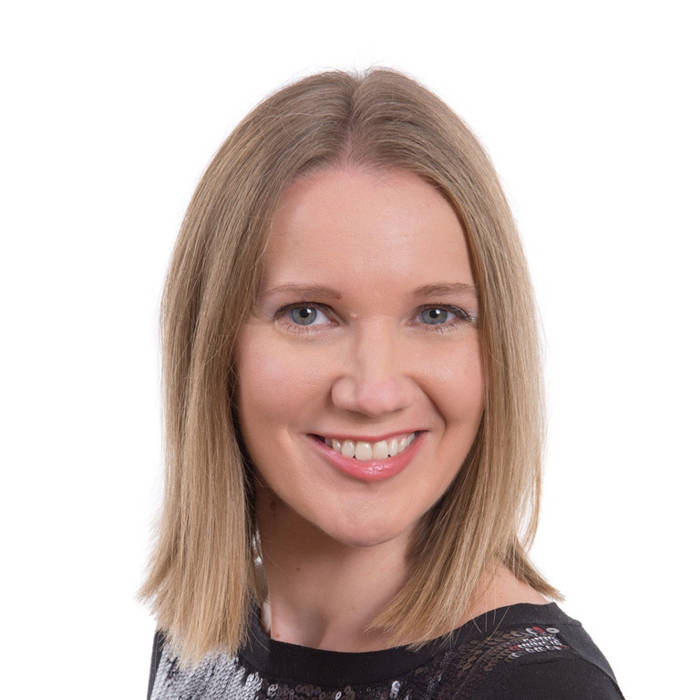
Neurodivergence and Critical Disability Theory

Dr David Cane
Hosted by our very own Dr David Cane, this two-hour session offers a timely and reflective opportunity to explore disability and neurodivergence within the voice teaching studio. Grounded in the field of critical disability studies, it will be of particular interest to voice professionals who wish to foster a more inclusive, reflexive and accessible practice.
Thursday 12th November 2026
5:00 PM - 7:00 PM
(London Time)
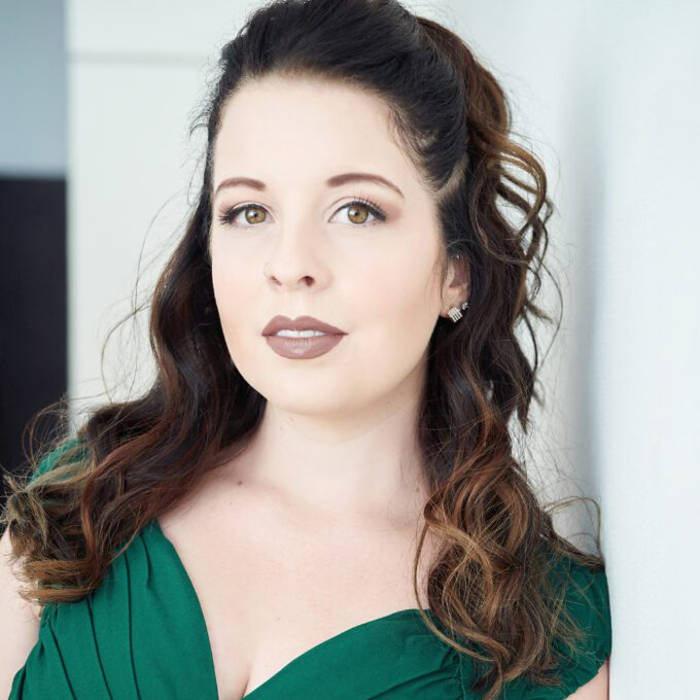
Kodaly and Dalcroze - inspired Learning for Choir Leaders!

Amy Bebbington
Enhance your choral leadership by grounding vocal direction in physical, experiential movement. Drawing from the pioneering methodologies of Zoltán Kodály and Émile Jaques-Dalcroze, join Amy Bebbington for this practical and highly engaging session exploring how kinaesthetic gestures can revolutionize the way you lead singing.
Tuesday 17th November 2026
5:00 PM - 7:00 PM
(London Time)
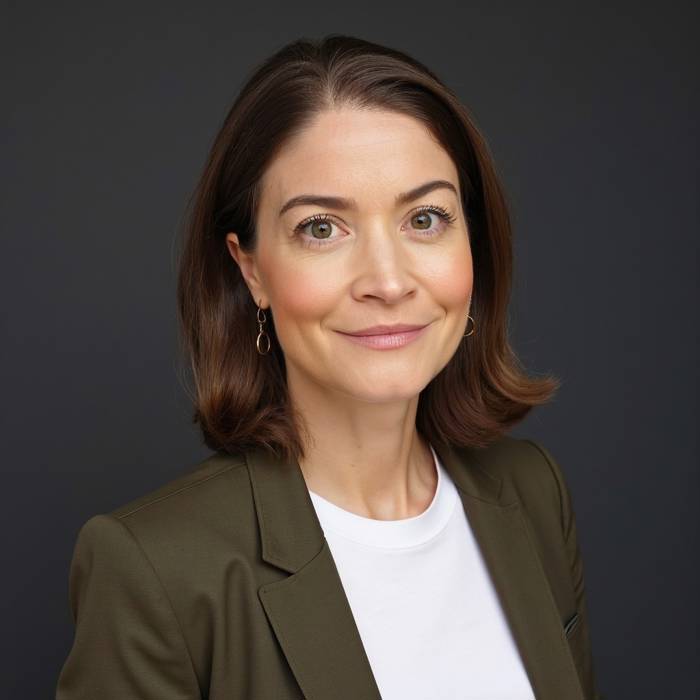
A (Very) Brief Course in Linguistics!

Miranda Guettlein
Join Miranda Guettlin (editor of the Voice and Speech Review) for an empowering introductory course in linguistics designed specifically for voice and speech practitioners. She will break down the six major subfields (phonetics, phonology, morphology, syntax, semantics, and pragmatics) in order to provide voice and speech practitioners in with a more clear understanding of the components of language and usable tools to incorporate into their teaching.
Wednesday 18th November 2026
5:00 PM - 7:00 PM
(London Time)
Expiratory Pressure Regulation for Power, Pitch and Vocal Health

Barbara Tanze
How does the pressure beneath your vocal folds affect your sound? And how can you learn to regulate it efficiently and make sense of what it means to “support your voice”? Join Barbara Tanze for this practical short course exploring the role of expiratory pressure regulation in singing and its relationship to vocal power, pitch control, efficiency and vocal health. Learn how singers can develop a more precise understanding of the interaction between respiratory activity, subglottic pressure and vocal fold function!

Tuesday 24th November 2026
5:00 PM - 7:00 PM
(London Time)
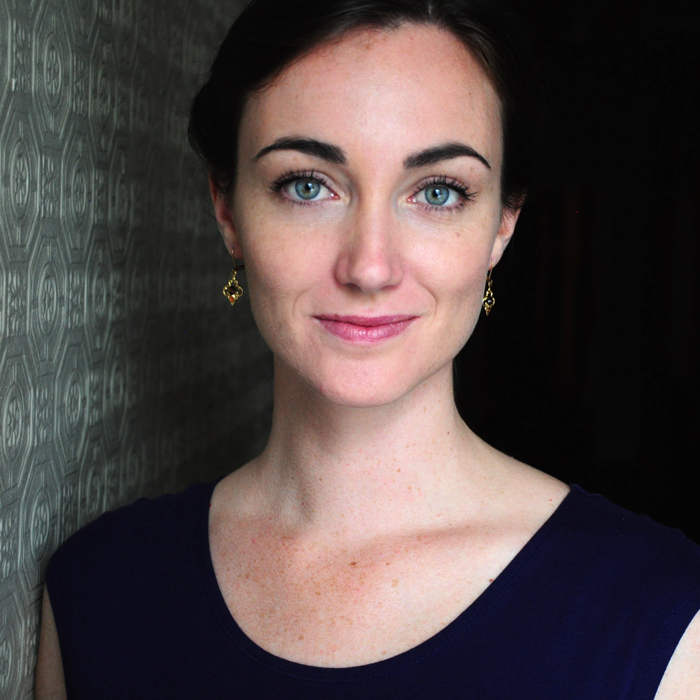
The Lemma Dilemma: Teaching Voice and Speech through a Linguistic Lens!

Ashleigh Reade
For voice and speech teachers, the importance of “the thought” is almost a given. Text comes to life when it is fueled by an external stimulus; we breathe in response to an image, a concept, a need we wish to express, then transmit that to our listener on the voice. In psycholinguistic models of speech processing and production, the lemma is the mental representation of a concept that contains both semantic and syntactic meaning, linking an idea to the sounds needed to express the idea. Join Ashleigh Reade as explores how to bridge the gap between actor and text, examining how psycholinguistics can support our voice and speech teaching.
Monday 30th November 2026
6:00 PM - 8:00 PM
(London Time)
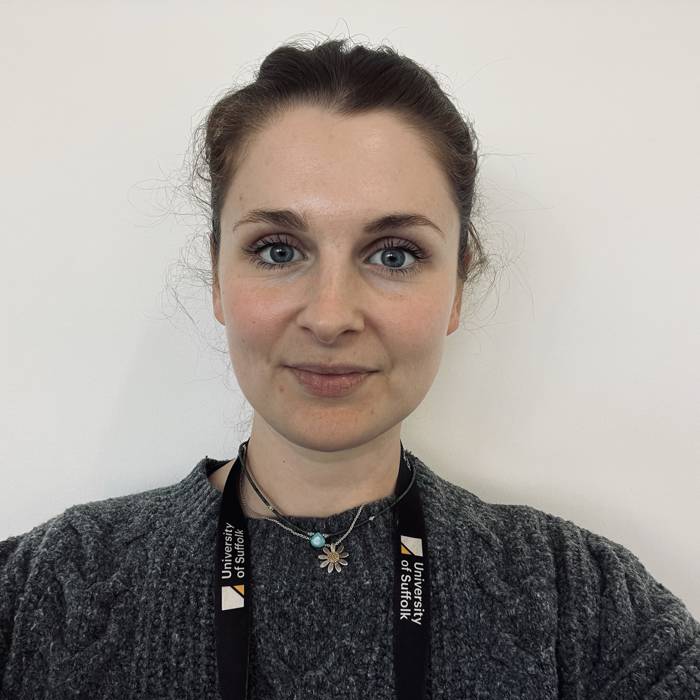
Bringing Colour Theory into IPA Vowels!

Siobhan Doherty Buffett
Step into a multi-sensory approach to phonetics with Siobhan Doherty Buffett, certified teacher of Knight-Thompson Speechwork™. In this engaging session, Siobhan introduces a new Colour Theory Map of the International Phonetic Alphabet (IPA) Vowel Chart - a visual tool designed to demystify complex phonetic concepts, deepen anatomical awareness, and transform how we teach and practice narrow transcription. Whether you are a voice teacher, speech-language pathologist, linguist, or performer, this interactive exploration offers a fresh, intuitive lens to help both you and your students visualize the subtle mechanics of vowel production!
Thursday 3rd December 2026
5:00 PM - 7:00 PM
(London Time)
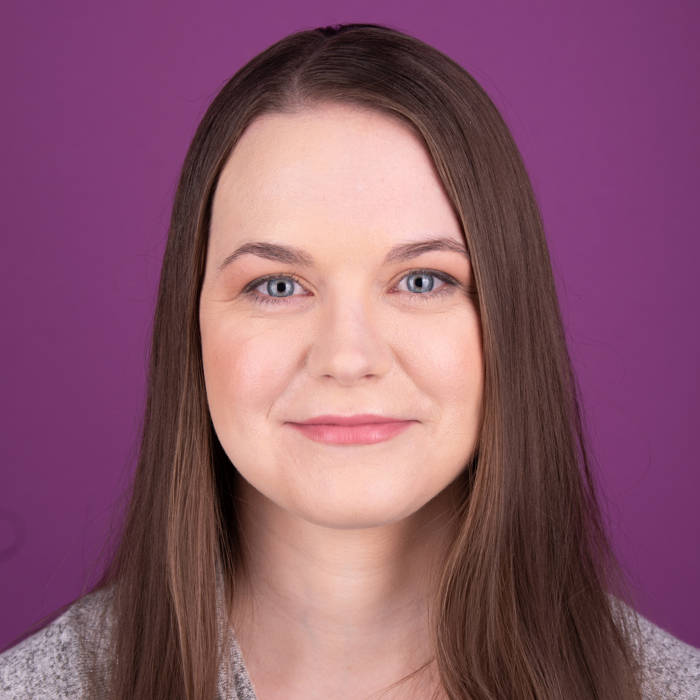
Singing and Parkinson’s Disease: Overview of the Evidence to Date

Dr Abigail Webb
Parkinson’s Disease is a progressive neurological disorder affecting around 166,000 people in the UK. It is characterised by a significant reduction in dopamine production that in turn causes impairments across several motor and non-motor functioning. A 2025 review indicated that singing may benefit certain aspects of speech production in those affected, and in the last decade, a collection of research studies has explored the role of singing specifically in symptom management of Parkinson’s. Join Dr Abigail Webb, as she brings together evidence to date of the impact of singing for people living with Parkinson’s.
Tuesday 8th December 2026
5:00 PM - 7:00 PM
(London Time)
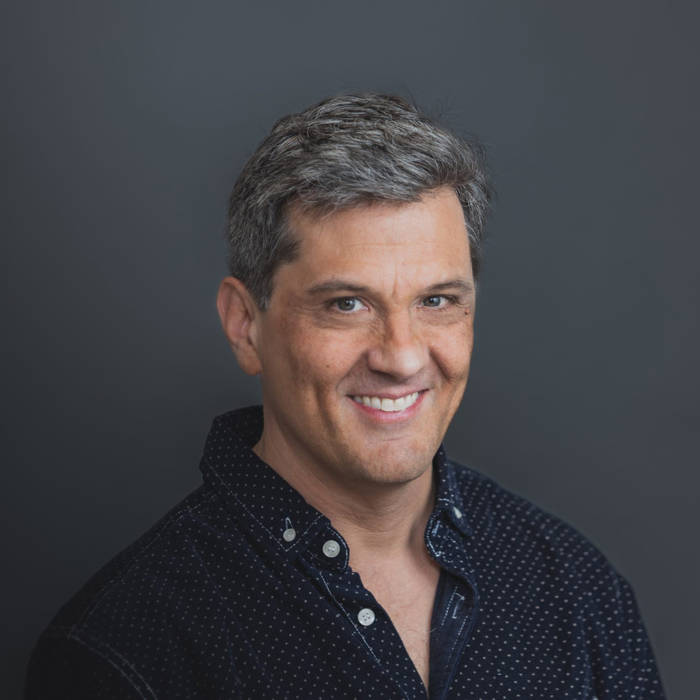
Authenticating Accents: The Process behind Authenticity!

Dayle Towarnicky
Authenticity is a present-day buzzword around performance, including performance in a target accent! But what makes accentwork ‘authentic’ or ‘inauthentic’ aside from hitting target sounds? Join Dayle Towarnicky to learn, explore, and apply theory about the process of authentication to your accentwork practice! Defining authentication compared to authenticity and other terms, explore authentication as a ‘tactic’ language-users deploy, and apply authentication to accents and the accentwork process itself.

Thursday 10th December 2026
3:00 PM - 5:00 PM
(London Time)
Spoken Voice
Working with Actors: An Introduction to Spoken Voice Practice

Louisa Morgan
Join Louisa Morgan for this practical two-hour workshop is an introduction to the foundations of spoken voice work with actors. You will explore how body, breath and voice connect in performance, try out exercises you can adapt in your own practice, and gain a clearer sense of the specialist demands actors bring to voice work. The session is interactive and includes preparation routines, performance-space work, cooling down, a brief overview of specialist areas such as accent, dialect and text work, some key practitioners to look at, common challenges for actors, and time for Q&A.
Tuesday 15th December 2026
5:00 PM - 7:00 PM
(London Time)
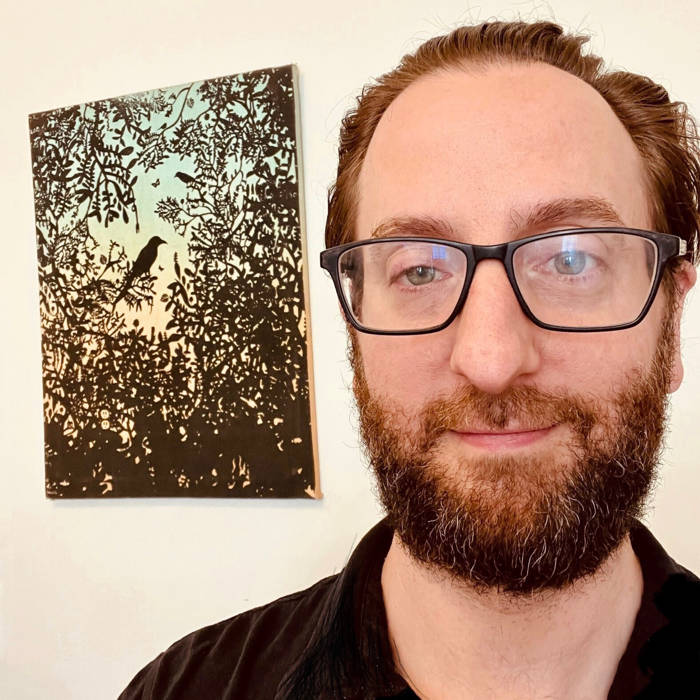
Using AI Voice Clones to Assist, Motivate, and Complement the Work of Student Actors

Jason Martin
Join James Martin as he presents his findings from a pedagogical research study which explored how AI voice cloning technology might be used to assist, motivate, and complement the work of student actors. Specifically, the ability of the AI clones to reveal rhetorically dense and/or long text is superior to a majority of his students, based on his assessment of their first efforts at speaking dense text.
Tuesday 12th January 2027
5:00 PM - 7:00 PM
Wednesday 13th January 2027
5:00 PM - 7:00 PM
Thursday 14th January 2027
5:00 PM - 7:00 PM
(London Time)
Acceptance and Commitment Training (ACT) for Music Performance Anxiety (MPA) (3-part course)

Dr David Juncos
In this updated three-part course, you will learn how to detect symptoms of music performance anxiety (MPA) among your students/clients and whether those symptoms are problematic or not. You will also learn about Acceptance and Commitment Training (ACT), an evidence-based psychotherapy and coaching model that aims to promote mindfulness and acceptance of one’s MPA symptoms, while also enhancing performance skills by increasing actions consistent with a musician’s values.
Wednesday 20th January 2027
10:00 AM - 12:00 PM
Thursday 21st January 2027
10:00 AM - 12:00 PM
(London Time)
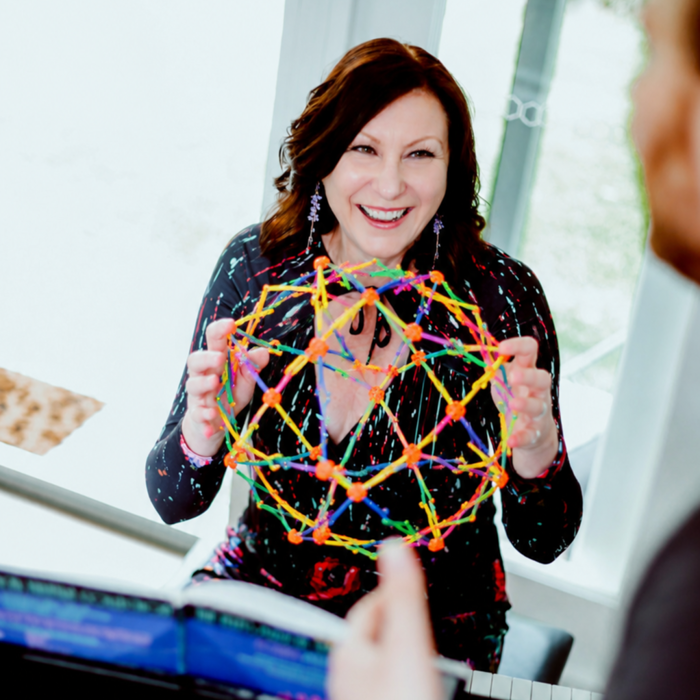
Games & Gadgets: A Two Part Course! Building Vocal Skills Through Movement & Play

Naomi Lewandoski
What happens when we bring movement, play and everyday objects into the singing studio? Join Naomi Lewandoski as she expands on last year's popular course with this new two-part session. Designed primarily for singing teachers and voice practitioners, this interactive course explores how movement, sensory feedback and external focus can help singers develop greater awareness, discover new coordinations and build vocal skills without relying on extra effort or overthinking.
Tuesday 26th January 2027
2:00 PM - 4:00 PM
(London Time)
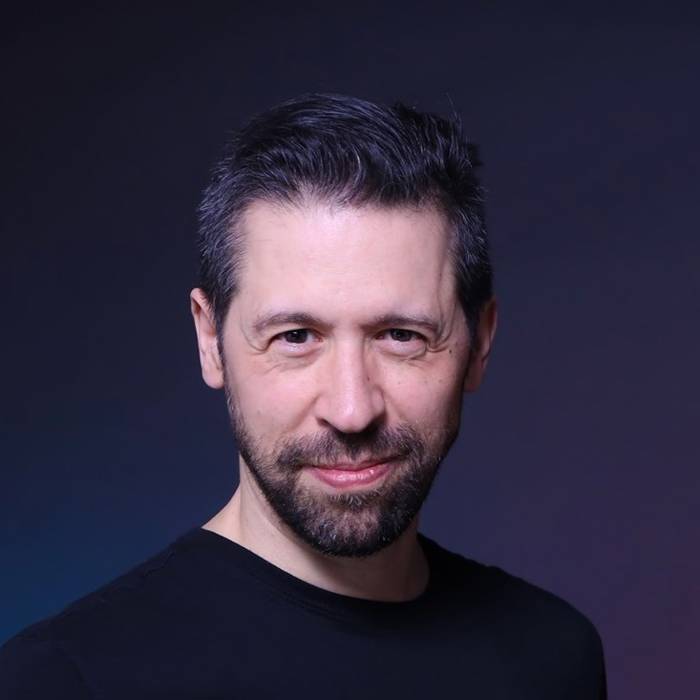
An Introduction to Extreme Voices in Video Games

Sebastien Croteau
Extreme vocals are prevalent in video games. Whether it is for human characters or creature vocalizations, they can put untrained voice talent at risk and seriously jeopardize their vocal health. In this workshop, join the renowned Sebastien Croteau who will be delving into the realities and the myths of this intriguing topic!